




Hotline 0086-519-86239986

All News
In the global automotive and industrial machinery landscape, diesel engines have long been the cornerstone of power generation, transportation, and heavy-duty operations. With China emerging as a manufacturing powerhouse, the question arises: Are Chinese diesel engines any good? This article delves into the technological advancements, market applications, and global competitiveness of Chinese diesel engines to provide a comprehensive answer.
Technological Evolution: From Imitation to Innovation
Chinese diesel engines have undergone a remarkable transformation over the past few decades. Initially, the industry relied heavily on importing foreign technology and components, leading to a perception of inferior quality. However, with sustained investment in research and development (R&D), Chinese manufacturers have gradually shifted from imitation to innovation, developing proprietary technologies that rival international standards.
One key area of advancement is in combustion efficiency. Modern Chinese diesel engines incorporate high-pressure common rail fuel injection systems, which enable precise control over fuel delivery, resulting in cleaner combustion and reduced emissions. For instance, some engines now feature solenoid-controlled piezo injectors, offering even finer fuel atomization and combustion management. This technology not only improves fuel economy but also meets stringent environmental regulations, such as Euro VI and China VI emission standards.
Another significant breakthrough is in turbocharging technology. Variable geometry turbochargers (VGT) and electric turbochargers have become standard in many Chinese diesel engines, optimizing boost pressure across a wide range of engine speeds. This enhances low-end torque, crucial for applications like agricultural machinery and construction equipment, while also improving high-end power output for transportation and industrial uses. Combined with exhaust gas recirculation (EGR) systems, these advancements have significantly reduced nitrogen oxide (NOx) emissions, making Chinese diesel engines more environmentally friendly.
Diverse Applications: Powering Multiple Sectors
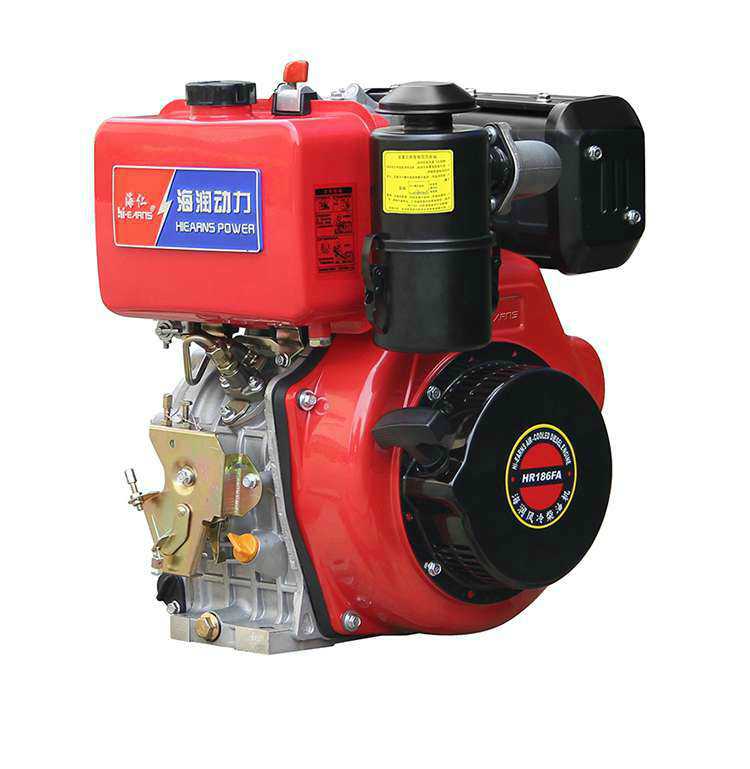
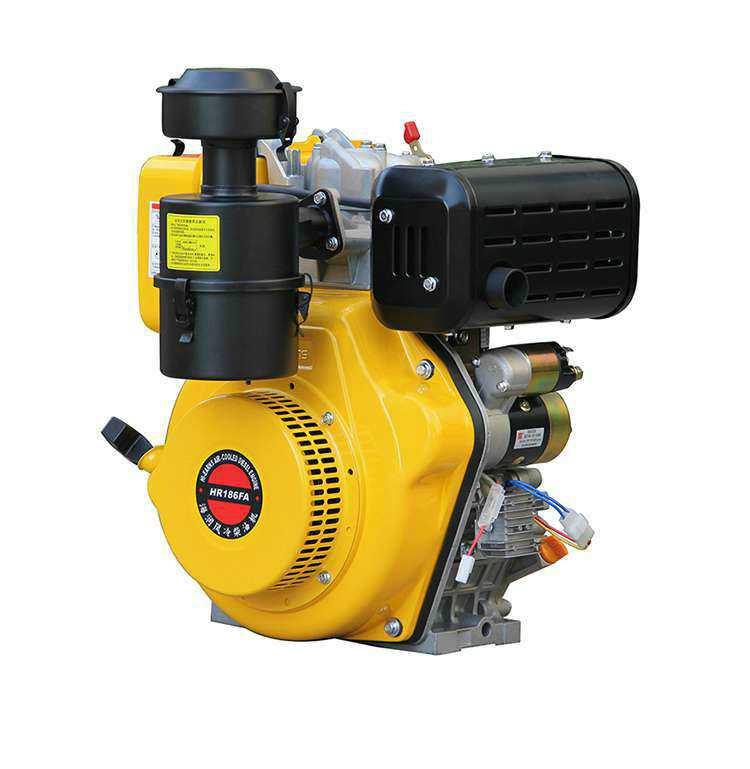
Chinese diesel engines have found widespread applications across various sectors, demonstrating their versatility and reliability. In the agricultural sector, diesel engines are the primary power source for tractors, harvesters, and irrigation pumps. Chinese manufacturers have developed specialized engines tailored to the needs of farmers, offering high torque at low speeds, excellent fuel efficiency, and durability under harsh conditions. For example, some single-cylinder diesel engines are designed for light-duty agricultural machinery, while multi-cylinder variants power larger equipment like combine harvesters.
In the construction industry, Chinese diesel engines are used in excavators, loaders, and concrete mixers, where high power output and reliability are essential. These engines are engineered to withstand the rigors of heavy-duty operations, including prolonged use in dusty and high-temperature environments. Advanced cooling systems and robust construction ensure optimal performance even under extreme conditions.
The transportation sector is another major market for Chinese diesel engines. From commercial trucks and buses to off-road vehicles and marine propulsion systems, Chinese engines offer a balance of power, fuel efficiency, and cost-effectiveness. For instance, some diesel engines are designed for long-haul trucks, providing high torque for climbing steep grades and excellent fuel economy for extended journeys. In the marine sector, Chinese engines power fishing boats, ferries, and small cargo vessels, demonstrating their adaptability to different operating environments.
Global Competitiveness: Export Growth and Market Recognition
Chinese diesel engines have gained significant traction in the global market, driven by their competitive pricing, improving quality, and expanding product range. According to industry reports, China's diesel engine exports have grown steadily over the past decade, with key markets including Southeast Asia, Africa, and Latin America. These regions often have a high demand for cost-effective and reliable power solutions, making Chinese engines an attractive option.
One factor contributing to the global success of Chinese diesel engines is their adherence to international standards. Many manufacturers have obtained certifications such as CE, BV, and SGS, ensuring their products meet quality and safety requirements in various markets. Additionally, Chinese engines are increasingly being integrated into global supply chains, with some manufacturers supplying components or complete engines to international original equipment manufacturers (OEMs).
Another driver of export growth is the customization capability of Chinese manufacturers. Unlike some foreign brands that offer standardized products, Chinese companies are often willing to tailor engines to specific customer requirements, such as different power ratings, fuel types, and emission standards. This flexibility has enabled them to penetrate niche markets and build long-term relationships with clients worldwide.
Challenges and Future Prospects
Despite their progress, Chinese diesel engines still face several challenges. One is the perception of quality, which, although improving, remains a concern for some buyers, particularly in developed markets. To overcome this, manufacturers must continue investing in R&D, adopting advanced manufacturing processes, and implementing strict quality control measures.
Another challenge is the increasing regulatory pressure on diesel engines, driven by global efforts to reduce greenhouse gas emissions and air pollution. While Chinese engines have made significant strides in meeting current emission standards, future regulations may require even stricter controls. This will necessitate further innovation in areas such as after-treatment systems, alternative fuels, and hybridization.
Looking ahead, the future of Chinese diesel engines appears promising. With ongoing technological advancements, expanding market reach, and a focus on sustainability, Chinese manufacturers are well-positioned to compete on the global stage. The integration of digital technologies, such as telematics and predictive maintenance, will enhance the efficiency and reliability of diesel engines, while research into alternative fuels like biodiesel and synthetic diesel will address environmental concerns.
Conclusion
In conclusion, Chinese diesel engines have come a long way from their humble beginnings, evolving into technologically advanced, reliable, and competitive power solutions. Through sustained investment in R&D, adherence to international standards, and a focus on customer needs, Chinese manufacturers have successfully penetrated global markets and gained recognition for their products. While challenges remain, the future of Chinese diesel engines looks bright, with opportunities for further innovation and growth. As the world continues to rely on diesel engines for various applications, Chinese manufacturers are poised to play an increasingly important role in shaping the industry's future. Whether powering agricultural machinery, construction equipment, or transportation vehicles, Chinese diesel engines are proving their worth on a global scale, demonstrating that they are indeed "any good" and here to stay.