



Hotline 0086-519-86239986

All News
Diesel water pumps are indispensable tools in agricultural irrigation, industrial operations, and emergency water management scenarios. These robust devices, powered by diesel engines, combine high torque output with reliable performance, making them ideal for remote locations or areas with unstable power supplies. Whether you're managing a large-scale farm, maintaining industrial equipment, or responding to flood emergencies, understanding the proper startup procedure for a diesel water pump is critical to ensuring operational efficiency and preventing premature component failure. This guide provides a step-by-step methodology, safety precautions, and maintenance insights to help users master the operation of diesel water pumps.
Part 1: Step-by-Step Startup Methodology
1.Pre-Startup Inspection and Preparation
Before initiating the diesel water pump, conduct a thorough visual inspection of the entire system:
Fuel System Check: Verify the diesel tank contains sufficient fuel (minimum 2/3 capacity) and that the fuel lines are free from air bubbles. For self-priming models, ensure the fuel filter is clean to prevent engine stalling.
Coolant Level Verification: Check the radiator and heat exchanger for adequate coolant levels. Low coolant can lead to overheating, especially in high-capacity pumps like the Detroit Diesel Series 60 WP17103, which supports engines exceeding one million miles with proper cooling.
Lubrication System Review: Confirm that the engine oil and pump bearing lubricant are at specified levels. Over-tightening the bearing gland during maintenance can cause premature wear, while under-lubrication increases friction and heat generation.
Mechanical Integrity Assessment: Inspect the pump base for levelness using wedge horns, tighten all bolts to prevent vibration-induced damage, and ensure the drive belt tension (if applicable) meets manufacturer specifications.
2.Priming the Pump (If Required)
Non-self-priming diesel water pumps require manual priming to remove air from the system:
Manual Priming: Fill the pump casing through the designated inlet until water flows continuously from the vent hole. Close the vent after air expulsion.
Self-Priming Models: For vacuum-assisted pumps like those used in Boyu’s systems, ensure the suction pipe is fully submerged and the vacuum pump is operational. Modern designs may eliminate priming needs entirely through advanced vacuum technology.
3.Electrical System Activation
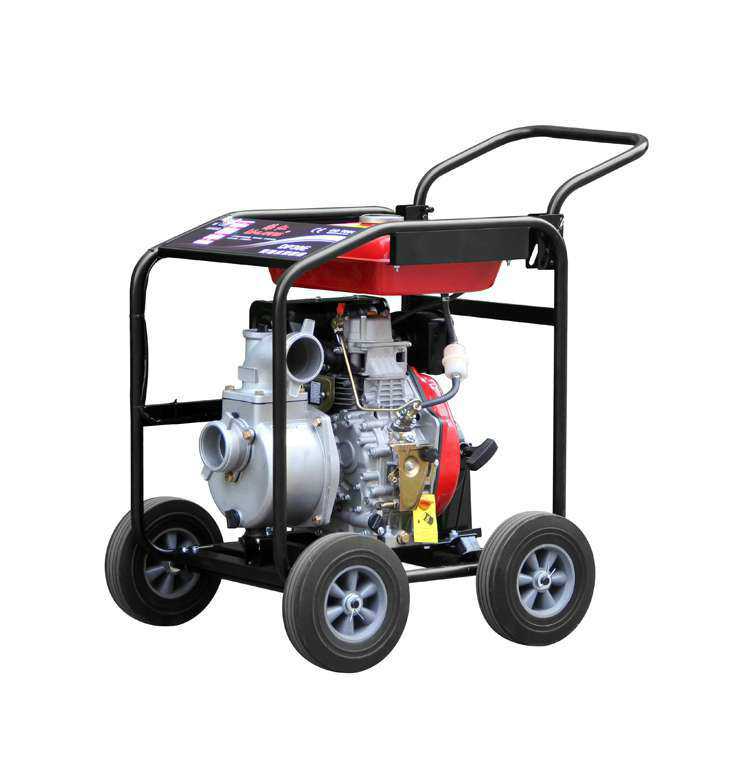
Battery Connection: Open the control box door, engage the air switches to supply power, and close the door securely. Insert the ignition key and turn it clockwise to activate the control system.
Pre-Start Checks: Verify that all instrumentation (e.g., vacuum gauge, pressure gauge) is functional and that the outlet valve is temporarily closed to build pressure during startup.
4.Engine Startup Sequence
Manual Mode Selection: Press the “Manual” button on the control panel to enable direct operation.
Cranking the Engine: Press the green start button. The diesel engine will fire up, and the pump will begin circulating coolant. Monitor the vacuum gauge; once negative pressure is achieved (indicating proper suction), gradually open the outlet valve to regulate flow.
Post-Startup Adjustment: Fine-tune the valve opening to match the required discharge rate while ensuring the engine operates within its optimal RPM range. Avoid abrupt throttle changes to prevent hydraulic shock.
5.Shutdown Procedure
Gradual Deceleration: Press the red stop button to initiate idle mode, allowing the engine to cool down and reducing thermal stress on components.
System Decompression: Close the outlet valve and drain residual water from the pump casing to prevent frost damage in cold climates.
Power Disconnection: Turn the ignition key counterclockwise, open the control box, and reset the air switches to cut off electrical supply.
Part 2: Critical Safety Precautions
1.Fuel and Coolant Handling
Use only clean, grade-appropriate diesel fuel to avoid clogging injectors. Contaminated fuel was cited as a leading cause of engine failure in a 2025 study by Bostech.
Mix antifreeze with distilled water in a 50:50 ratio for coolant to prevent corrosion. Acidic coolant (pH < 7) accelerates wear on water pump seals and impellers.
2.Operational Monitoring
Temperature Control: The bearing temperature must not exceed 75°C. Install thermal sensors on critical components like the WP17759 high-capacity pump used in Detroit Diesel Series 50/60 engines.
Noise Analysis: Unusual grinding or knocking sounds during operation often indicate bearing failure or misalignment. Immediate shutdown is required to prevent catastrophic damage.
Vibration Checks: Excessive vibration can loosen mounting bolts or crack the pump housing. Use vibration dampeners if operating on uneven terrain.
3.Maintenance Protocols
Lubrication Schedule: Reapply calcium-based grease to bearings every 50 operating hours, filling 1/3 to 1/2 of the bearing cavity.
Seal Inspection: Replace worn mechanical seals annually or after 2,000 hours of operation. Leaking seals reduce pump efficiency and risk coolant contamination.
Winter Storage: For seasonal pumps, drain all fluids, coat metal surfaces with antirust oil, and store in a dry environment to prevent corrosion.
Part 3: Conclusion
Mastering the startup and operation of a diesel water pump requires a blend of technical knowledge and proactive maintenance. By following the structured methodology outlined above—from pre-startup inspections to post-operation shutdowns—users can maximize the lifespan of components like the Detroit Diesel WP17103 water pump, which is renowned for supporting engines beyond one million miles. Equally critical are safety precautions, such as monitoring coolant pH and adhering to lubrication schedules, which mitigate risks of galvanic corrosion and bearing failure.
In an era where industrial efficiency and sustainability are paramount, diesel water pumps remain vital for water management across sectors. However, their reliability hinges on operator competence. Regular training on startup protocols, coupled with investments in high-quality components (e.g., dual-pump systems for turbocharger cooling in Ford 6.7L PowerStroke engines), ensures these machines deliver consistent performance under demanding conditions. Ultimately, a disciplined approach to operation and maintenance transforms the diesel water pump from a mere tool into a long-term asset for agricultural, industrial, and emergency applications.