



Hotline 0086-519-86239986

All News
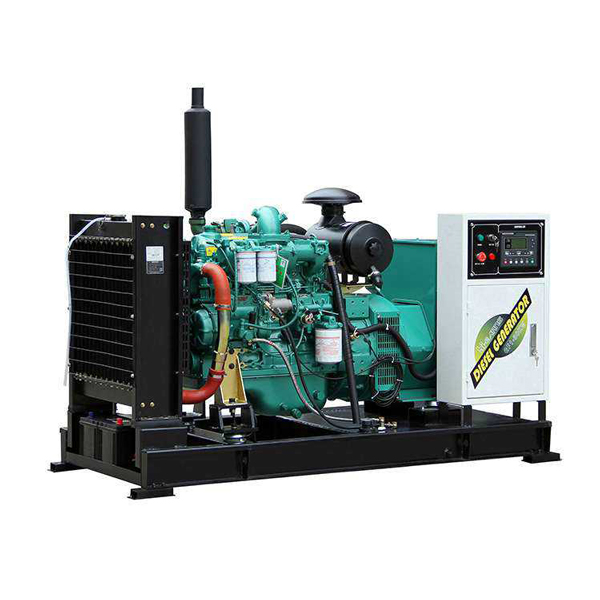
You need something you can trust when the power stops. A portable diesel generator gives good power and is easy to move. New research shows many good things:
Runs for more hours
Needs less fixing
Works more safely
Makes less noise
Uses fuel well
These things make it a smart pick.
You want backup power that works when you need it. A portable diesel generator is known for being reliable and efficient. Experts, like the U.S. Department of Energy, say diesel generators are a great choice for emergencies. They give steady energy, even in bad weather. Diesel models keep working when gasoline or battery systems stop. You can trust them to power important things in your home during outages.
Here are the main benefits for homeowners:
Fuel Efficiency: Diesel engines use 30-50% less fuel than gasoline ones. This lets you run your generator longer without refueling all the time.
Long Runtime: Most portable diesel generators can work for 24 to 48 hours before you need more fuel. This is important during long blackouts.
Durability: Diesel engines last longer and need less fixing. They are built strong, so they break down less and cost less to repair.
Fuel Safety: Diesel fuel does not catch fire as easily as gasoline. This makes it safer to store and use.
Lower Operational Costs: Because diesel generators are efficient and strong, they cost less to use over time.
Steady Power Output: Diesel generators give steady power. This helps protect electronics from getting damaged.
Versatility: You can use a portable diesel generator in many places. It works for homes and small businesses.
Tip: The National Renewable Energy Laboratory says diesel generators are more reliable than gasoline and solar systems, especially in emergencies.
Here is a table that shows why diesel is often picked for fuel efficiency:
Generator Type | Fuel Efficiency | Notes |
|---|---|---|
Diesel Generators | Superior | Good for heavy use and long hours. |
Gasoline Generators | Inferior | Not as efficient, especially for steady use. |
Natural Gas | Moderate | Works better for light use and is quieter. |
You can feel safe knowing your portable diesel generator will keep your lights and appliances on when the power goes out.
A portable diesel generator has many good points, but there are some downsides. The Environmental Protection Agency and safety groups warn about these problems:
Drawback | Description |
|---|---|
Noise Pollution | Portable generators can be loud, between 60 to 80 decibels. This noise can bother neighbors and break local noise rules. |
Low-Quality Power Output | They sometimes give power that is not good for sensitive electronics. This can hurt devices that need high-quality power. |
Regular Refueling | You need to add fuel often, which can be hard during long outages. Storing fuel can also be risky. |
Emissions and Environmental Impact | They give off gases like carbon monoxide, which pollute the air and can be dangerous to health. |
Limited Power Capacity | Most portable diesel generators give 3kW to 10kW of power. This may not be enough to run all your home’s appliances at once. |
Maintenance Requirements | You need to do regular maintenance to keep them working. If you skip it, repairs can be costly and inconvenient. |
Security Concerns | Because they are easy to move, portable diesel generators can be stolen if left alone. This can be a security problem. |
You might also have trouble with maintenance. Old fuel, missing check-ups, or skipping repairs can cause big problems. If you do not use the generator for a long time, the fuel can go bad. Trying to fix it yourself without help can make things worse.
Note: The American Red Cross says to put generators outside and away from windows to stop carbon monoxide from getting inside. Always follow local rules for noise and emissions.
Think about these drawbacks before you pick a portable diesel generator for your home. Planning ahead and doing regular maintenance will help you get the best results.
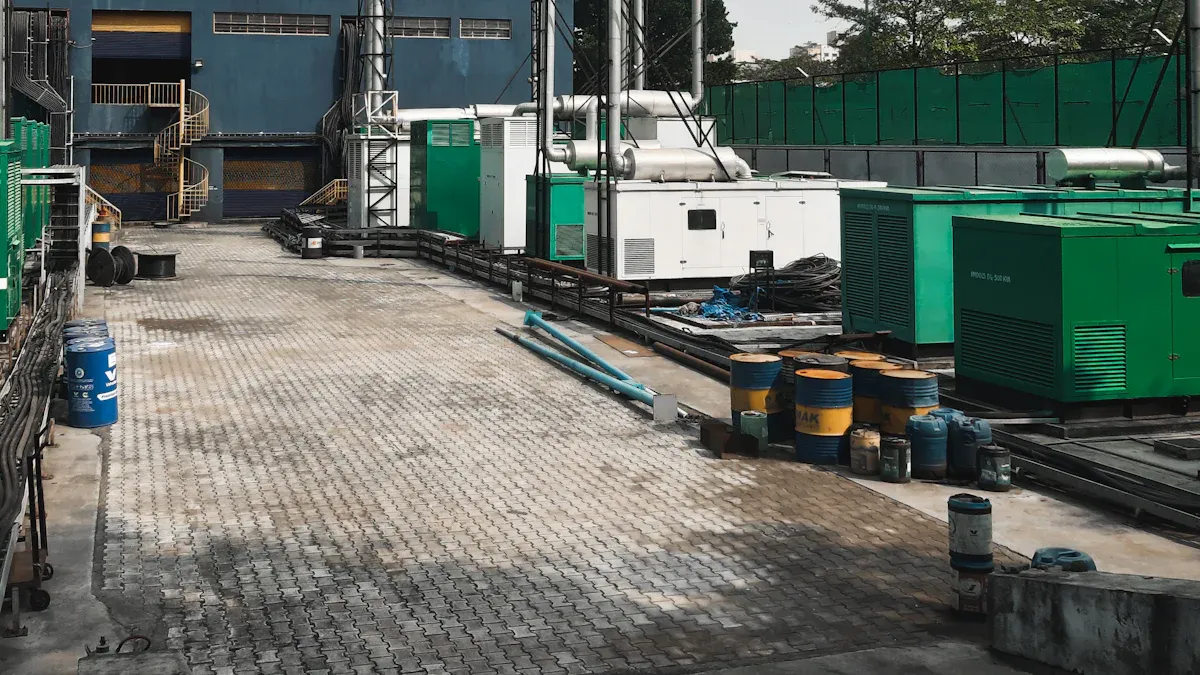
It is important to know how these two generators are different. Portable generators are easy to move. You can take them to many places. They are good for short-term power needs. Standby generators stay in one spot. They turn on by themselves when the power stops. A professional must install a standby generator. It usually sits on a concrete pad to keep it steady.
Here is a table that shows the main differences:
Feature | Standby Generators | |
|---|---|---|
Installation | No setup required; easy to transport | Needs professional installation; fixed |
Operation | Use anywhere outdoors | Starts automatically; stays in one spot |
Fuel Storage | Store fuel in small tanks | Large tanks or connected to gas lines |
Experts, like the U.S. Department of Energy, say standby generators are best for whole-home backup. Portable generators are better for short-term power or outdoor use.
Pick a generator that fits your needs and budget. Portable diesel generators cost about $3,000 to $15,000. Standby generators cost more because they last longer and give more power. Generac, Cummins, and Caterpillar are top brands. Generac has cheaper models that last 20-30 years. Cummins makes quiet generators with smart features. Kohler has strong models for big homes.
Use portable generators for short blackouts, camping, or building sites. Standby generators are best for whole-home backup and emergencies. Pick portable if you want to save money and need flexibility. Pick standby if you want automatic power and more dependability.
Tip: Always check your local rules and talk to an expert before you put in a generator.
Diesel and gasoline are different for home backup. Diesel fuel has more energy, so it lasts longer. You use less diesel to run your generator. Diesel also stays good in storage for a long time. Gasoline goes bad faster than diesel. Diesel can last up to 18 months without help. If you add stabilizers, diesel lasts up to 36 months. Gasoline only lasts 6 months without help. With stabilizers, gasoline lasts up to 15 months.
Fuel Type | Untreated Storage | With Stabilizers |
|---|---|---|
Diesel | 12-18 months | 24-36 months |
Gasoline | 3-6 months | 12-15 months |
Diesel’s long shelf life helps you in emergencies. Gasoline breaks down fast, so you need to replace it often. Diesel keeps working well, so it is a smart choice. The U.S. Department of Energy says diesel is reliable for backup power.
Diesel fuel gives more energy than gasoline.
Diesel lasts longer in storage, so you worry less.
Propane and natural gas burn cleaner than diesel. Propane makes less pollution, so it is better for the environment. Natural gas is the cleanest, but you need a pipeline. Diesel generators make more pollution, so you must follow rules. Some diesel engines use Diesel Exhaust Fluid to lower pollution.
Propane is easy to store and burns clean, but it has less energy. Natural gas does not need a tank, but you need a pipeline. Think about these things when you pick a fuel type.
You want fuel that is easy to get and store. Diesel is easy to find and refill. Propane is clean and stores well, but you need a tank. Natural gas works best if you have a pipeline close by. Here is a quick comparison:
Fuel Type | Availability Considerations | Storage Considerations |
|---|---|---|
Diesel | Easy to find, simple to refill | Stored in tanks at home |
Propane | Clean burning, easy to store, less energy | Needs a storage tank |
Natural Gas | Lots available with pipelines, not in rural areas | No tank needed, depends on pipelines |
A portable diesel generator gives you strong power and easy refueling. You need to think about pollution, fuel storage, and local supply before you choose.
When you pick a portable diesel generator for your home, look for features that make it safe and easy to use. Experts say automatic start and low oil shutdown are important. These features help protect your generator and your house. Check if the generator has Automatic Voltage Regulation (AVR). AVR keeps your appliances safe from power surges. A digital control panel lets you see how the generator is working and how much fuel is left. High fuel efficiency means you use less fuel. A small size makes it easy to store and move.
Here are some features you should look for:
Automatic Start
AVR (Automatic Voltage Regulation)
Low Noise Enclosure
Low Oil Shutdown
Digital Control Panel
High Fuel Efficiency
Compact Footprint
The U.S. Department of Energy says inverter technology and low Total Harmonic Distortion (THD) are good for sensitive electronics. Electric start makes it easier to use the generator, especially in emergencies. Wheels and handles help you move heavy generators safely.
Feature | Description |
|---|---|
Wattage Output | Shows how much power the generator gives. There are running watts and starting watts. |
Fuel Tank Size and Run Time | Bigger tanks let the generator run longer without refueling. |
Noise Level (dBA) | Lower numbers mean the generator is quieter. Enclosed models are quieter than open ones. |
Starting Method | Electric start is easier than pulling a cord. |
Portability | Wheels and handles make moving the generator simple. |
Total Harmonic Distortion | Low THD means safe power for electronics. |
Inverter Technology | Makes cleaner power, saves fuel, and lowers noise. |
Tip: Always look for safety certifications like UL or CSA. These show the generator is safe to use.
Pick a generator size that fits what your home needs. The right size keeps things working when the power goes out. Experts say you should add up the watts for all the things you want to power. Count both running watts and starting watts for each item.
Here is a table to help you choose:
Power Scenario | Recommended Generator Size | Description |
|---|---|---|
Bare Essentials | 3,500 to 5,000 watts | Powers things like your fridge, freezer, and some lights. |
Key Comforts (Without Central A/C) | 7,000 to 9,500 watts | Powers extra things like a well pump and furnace fan. |
Whole-House Power (With Central A/C) | 15kW to 22kW or more | Powers central air and all big appliances. |
Pick a generator with a little more power than you need. This helps stop overloads and makes your generator last longer. If you want to use sensitive electronics, get a generator with inverter technology and low THD.
Note: The U.S. Department of Energy says you should ask an electrician to check your numbers and make sure your generator is installed safely.
Noise and emissions are important when you use a generator at home. Regular diesel generators make 75 to 90 decibels of noise. This can bother your family and neighbors. Soundproofed generators are quieter, making only 50 to 60 decibels. Look for generators with acoustic enclosures and vibration isolation. These features help lower the noise.
Regular diesel generators make 75 to 90 decibels of noise.
Soundproofed generators make only 50 to 60 decibels.
Acoustic enclosures and vibration isolation help make them quieter.
The Environmental Protection Agency has rules for generator emissions. Pick models that meet EPA Tier 4 standards. These make less pollution and help keep you healthy. Always put your generator outside, away from windows and doors. This stops carbon monoxide from getting inside.
Safety Alert: Never use a generator indoors. The EPA and American Red Cross warn that carbon monoxide can kill. Always follow local rules and the instructions from the manufacturer.
A portable diesel generator with the right features, size, and noise control will help keep your home safe and comfortable when the power goes out.
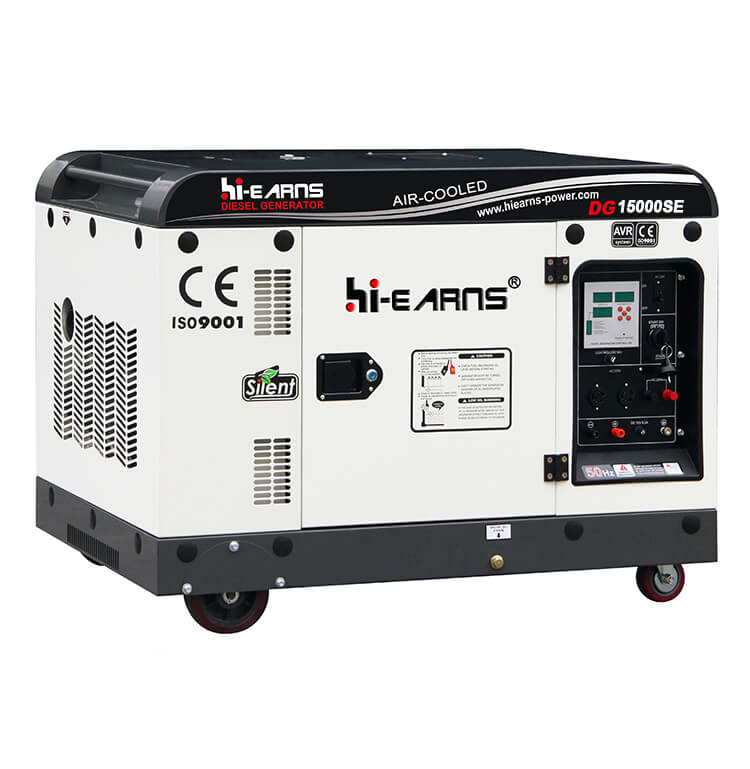
If you want a portable diesel generator, look for strong performance. The Generac XD5000E is a great choice. It has a powerful Yanmar engine and electric start. The fuel tank holds 12 gallons. This model can run for 32 hours at half load. You do not need to add fuel often. It has low oil shutdown and a digital hour meter. These features help you take care of the generator easily.
Here is a quick comparison of important features:
Feature | Generac XD5000E |
|---|---|
Price | $3,700 (plus $200 for wheel kit/battery) |
Engine | Yanmar 435cc, EPA Tier IV |
Starting/Running Watts | 5,500 / 5,000 |
Fuel Tank Size | 12 gallons |
Run Time @ 50% Load | 32.4 hours |
Outlets | Multiple 120V/240V |
Weight | 252 lbs |
Warranty | 2 years limited |
THD | <6% (safe for electronics) |
Many new models let you check your generator from your phone. Some have automatic transfer switches. You can manage power with less work. Some units run up to 48 hours. This helps during long power outages. These features make them good for home backup and outdoor use.
Portable diesel generators have many good points:
Long run times mean less refueling.
Remote monitoring makes things easier.
Clean power keeps electronics safe.
Strong engines do hard jobs.
But there are some downsides. They cost more at first and are heavy. Some need extra kits for wheels or batteries. Noise can be loud if there is no soundproofing.
Note: The U.S. Department of Energy says to pick models with EPA Tier IV engines. These engines make less pollution and use fuel better.
If you want backup power you can trust, these models give you long run times and smart features. You will feel safe and ready when the power goes out.
You need to be careful when you set up your portable diesel generator. Experts say you should put the generator outside, away from doors and windows. This keeps carbon monoxide from getting inside your house. Always put the generator on flat, dry ground. This stops it from tipping over or getting wet. Keep the generator at least 20 feet from where people live. Store fuel in safe containers. Always follow your local rules for setting up the generator.
Best Practice | Description |
|---|---|
Ventilation in Use | Put the generator outside, far from doors, windows, and vents. This stops carbon monoxide from building up. |
Safe Distance from Living Spaces | Keep the generator at least 20 feet from windows, doors, or vents. This helps keep everyone safe. |
Flat, Dry Ground | Put the generator on solid, dry ground. This keeps it from tipping or getting flooded. |
Noise Considerations | Place the generator away from bedrooms or quiet rooms. This helps keep noise down. |
Fuel Storage | Store fuel in safe places. This helps stop fires or spills. |
Compliance with Local Codes and Regulations | Make sure you follow all local rules. This keeps your setup safe and legal. |
Safety Tip: Never use your generator inside. Carbon monoxide is very dangerous and can kill.
You can help your generator last longer by using good habits. Check your generator often and fix problems right away. Always look at the oil level and change the oil when needed. Doing regular care helps your generator work well and saves money on repairs.
Tip | Description |
|---|---|
Routine Checks | Check your generator often and fix things quickly. This keeps it safe. |
Oil Changes | Change the oil often. This helps your generator stay strong and last longer. |
Preventative Maintenance | Do regular care to make sure everything works right. |
Expert Advice: If you do regular care, your generator works better and costs less to fix.
You should follow a plan to keep your generator working well. The American Red Cross and experts say to do these things:
Weekly: Turn on the generator with no load. Look for warning lights, check fuel, and see if there are leaks.
Monthly: Check the engine coolant, oil, and battery charger.
Twice per year: Look at the outside, belts, battery, coolant heater, cables, hoses, connectors, exhaust, and controls.
Annually: Change the oil and put in new oil, air, and fuel filters. Clean the generator well. Check the coolant mix. Test the generator with a load and check the fuel. Take out any water or moisture.
️ Maintenance Tip: Taking care of your generator all the time helps it work well and gives you power when you need it.
You can count on a portable diesel generator for backup power. It works well and runs for a long time. You will find it easy to use. Experts say to look at power output, fuel use, and noise level. Brands like Generac and Cummins are very popular.
Expert Advice | Details |
|---|---|
Key Factors | Power, fuel use, engine, noise, maintenance |
Top Model | Generac XD5000E for durability and output |
Pick the model that fits what you need.
Most portable diesel generators run for 24 to 48 hours. Generac experts say to read your manual for safe runtime.
Diesel fuel is safe to store in approved containers. The U.S. Department of Energy says diesel is less flammable than gasoline. Keep diesel away from heat.
Check oil, fuel, and filters often. The American Red Cross says to run your generator every month. Follow the maintenance schedule in your manual.