



Hotline 0086-519-86239986

All News
Buyers often compare several suppliers at once. Price sheets look similar. Brochures sound alike. The real difference appears only when a buyer knows what to check.
A reliable silent air cooled diesel generator supplier proves itself across five areas: product quality and durability, noise and cooling performance, compliance, after-sales support, and cost transparency. Each area leaves evidence. Each area raises questions a buyer can ask before signing.
This post gives specific criteria and practical questions. Buyers can use them to evaluate any silent air cooled diesel generator supplier with confidence.
Check build quality and testing to ensure durability and long service life.
Demand honest noise data and clear airflow guidance for safe operation.
Verify compliance certificates and labels to avoid legal and shipment issues.
Confirm warranty terms and spare parts availability for quick support.
Calculate total ownership costs, not just the purchase price, to save money.
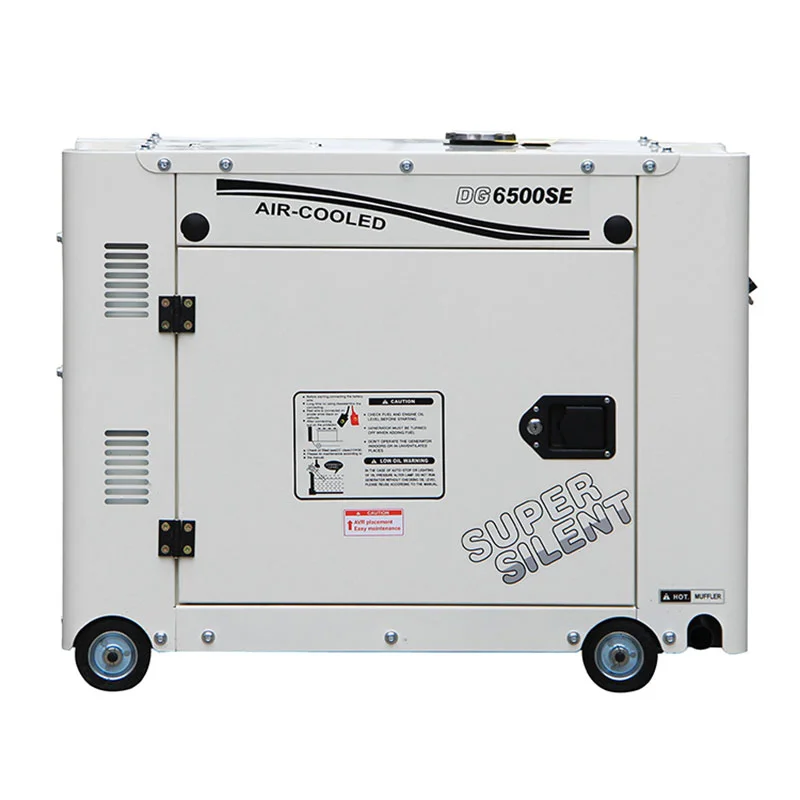
Durability starts with the enclosure. A buyer should inspect panel thickness, weld quality, and fastener type. Clean, consistent welds signal controlled fabrication. Loose or mismatched fasteners invite vibration damage over time. Panel gaps matter too. Tight fits keep dust and water out, and they reduce rattles that wear on internal parts. Robust construction protects the engine, alternator, and control panel from vibration, impact, and debris. That protection directly extends service life.
Component fit deserves equal attention. Check how the engine mounts to the base frame. Look at cable routing and terminal connections. A well-built unit shows straight lines, even spacing, and no forced assembly. These details reveal whether the factory controls its process or simply assembles parts.
A reliable supplier also builds around world-class engines known for reliability, fuel efficiency, and longevity. The engine choice sets the ceiling on service life. The supplier should share test data and state an expected service life in clear terms.
The Hiearns Silent Type Air-cooled Diesel Generator illustrates this approach. Its sound-shielded enclosures protect internal components from dust and debris. The range includes the DG15000SE (10KW) and DG6500SE (5KW) models. Buyers can also choose across the Classic, Typical, ArcTop, and Nova series. That range depth shows a supplier can match different applications rather than push a single configuration.
Testing separates claims from evidence. A reliable supplier runs each unit before shipment and documents the results. Buyers should ask which tests the factory performs, how it records them, and whether it shares reports per unit or per batch. Load testing, run-in checks, and noise measurement are typical points to confirm.
Service life depends on duty cycle, load profile, and maintenance. The supplier should explain expected life under stated conditions, not just quote a single number. Honest guidance here helps buyers plan replacement and budget.
Useful questions for any supplier include:
Which tests does the factory run on every unit, and can you share a sample report?
What service life do you expect under my load profile and duty cycle?
Which engine brand and model does the unit use, and why did you choose it?
How do you verify enclosure seals and fastener torque during production?
Clear answers to these questions show a supplier that knows its own process. Vague answers or missing documents are a warning sign. Buyers who ask early avoid surprises after delivery.
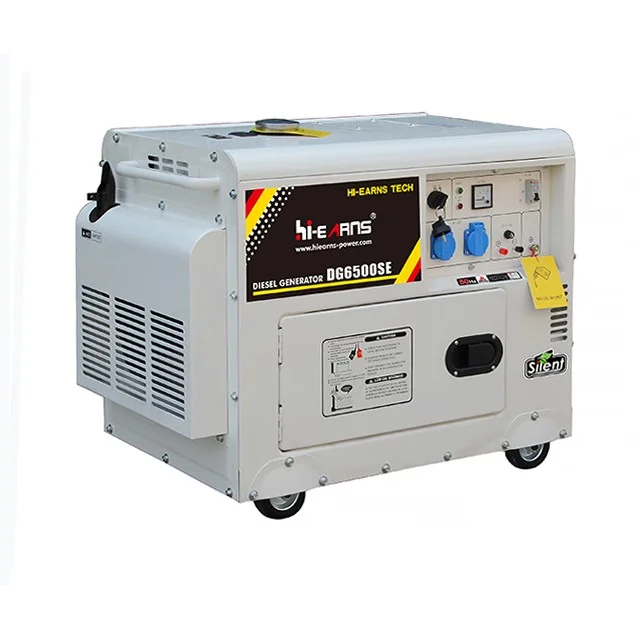
A reliable supplier offers silent units in sound-shielded covers. These enclosures lower noise and support reliable operation at the same time. Good design pairs the cover with advanced acoustic engineering and a fuel-efficient engine. The combination matters. A quiet enclosure around a loud, thirsty engine still delivers a poor result.
Buyers should expect honest noise figures. Even super silent enclosed air cooled models often run 5 to 10 decibels louder than a liquid-cooled equivalent. That gap is normal, and a trustworthy supplier states it plainly. A supplier who promises liquid-cooled quietness from an air cooled unit sets the buyer up for disappointment. Ask for noise data measured at a stated distance and load. Compare that data across suppliers on the same basis.
Air cooled diesel generators shed heat through steady airflow. Blocked intake or exhaust paths raise operating temperatures and shorten component life. A reliable supplier gives clear placement guidance. The unit needs open space on the intake and exhaust sides. Nothing should sit against the vents. Buyers should also plan proper ventilation for the room or shelter. Diesel generators produce fumes, so safe operation depends on moving exhaust gas away from people and occupied spaces.
Air cooling carries both strengths and limits. A transparent supplier explains the trade-offs against liquid cooling. Air cooled units suit backup power in tight spaces. They have fewer moving parts. They cannot suffer a cooling system failure, because no coolant circuit exists. Field servicing is faster as a result. Liquid cooling handles sustained heavy loads and high ambient heat better. Each design fits different work, and a good supplier says so.
Hiearns illustrates this balanced approach. The Silent Type Air-cooled Diesel Generator comes with customizable options such as double fans and universal wheels. Double fans strengthen airflow for hotter conditions. Universal wheels make repositioning easy during installation or service. The silent enclosures reduce operational noise and protect internal components from dust and debris. Buyers evaluating any supplier should confirm airflow guidance, honest noise data, and a clear statement of where air cooling fits best.
Compliance starts with a simple question: which standards apply to the buyer's market? Emissions rules and electrical safety requirements vary by destination. A reliable supplier knows the answer before the buyer asks. They should name the relevant emissions limits and safety standards for the target market and explain how each unit meets them. Compliant backup power matters for more than paperwork. It keeps the installation legal, protects operators, and avoids rejected shipments at the port. A unit that fails local requirements becomes a liability, not an asset.
Buyers should treat compliance as a design feature, not an afterthought. Ask whether the engine and alternator carry the required approvals. Ask how the factory verifies safety features such as grounding, insulation, and overload protection. A supplier who answers with specifics demonstrates control over the build. A supplier who deflects the question invites risk.
Documents prove claims. Buyers should request certificates and test reports directly from the supplier, not from a trading intermediary. Check that certificate numbers match the model on the quotation. Confirm the issuing body and the validity dates. Expired or mismatched paperwork signals a gap in the supply chain.
Labels deserve the same scrutiny. The nameplate should show the model, rated power, voltage, frequency, and serial number. Warning labels should be legible and in the correct language for the destination. Packaging labels should match the unit inside. Buyers can verify these details with photos before shipment. A supplier who welcomes this check shows confidence in their process. One who resists it gives the buyer a reason to look elsewhere.
Support decides how quickly a unit returns to service. Buyers should ask for warranty terms in writing. Confirm the coverage period, what the warranty includes, and what voids it. Ask where spare parts ship from and how long delivery takes. A supplier with regional stock shortens downtime. A supplier without it leaves the buyer waiting.
Technical help matters as much as parts. Ask who answers service calls and how fast. Request a stated response time for urgent failures. Confirm whether the supplier offers remote troubleshooting or on-site visits. Buyers choosing a silent air cooled diesel generator supplier should test these answers before purchase. A quick reply during the sales stage often predicts quick support after delivery.
Purchase price is only the first number. Total cost of ownership includes fuel use, maintenance, downtime, and lifespan. Air cooled generators have fewer moving parts. They cannot suffer a cooling system failure, because no coolant circuit exists. That design can mean lower total cost of ownership and faster servicing in the field. Ask the supplier to explain fuel consumption at typical loads and the maintenance schedule.
Range depth also matters. A reliable supplier offers power ratings from 5kVA to 100kVA to match different applications. Hiearns illustrates this scale. Its lineup includes 5KW and 10KW models across the Classic, Typical, ArcTop, and Nova series. Monthly production capacity exceeds 6,000 sets. That volume shows a supplier can meet repeat orders and keep parts flowing.
Buyers comparing quotes should ask:
What does the unit cost per operating hour at my typical load?
Which maintenance tasks can my own team perform?
How long does a typical repair take, and which parts fail most often?
Clear answers to these questions separate a silent air cooled diesel generator supplier who understands ownership costs from one who only quotes a price.
A reliable silent air cooled diesel generator supplier earns trust through durable construction, honest noise and cooling guidance, verified compliance, responsive support, and transparent ownership costs. These six areas cover the full picture, and each one leaves evidence a buyer can check.
Readers should treat the criteria and questions in this post as a working checklist. Run every candidate supplier through it. Then request documentation, test data, and written warranty terms before making a decision. That final step turns a promising quote into a verified choice.
Enclosed air cooled models run noticeably quieter than open units. Buyers should still expect roughly 5 to 10 decibels more noise than a liquid-cooled equivalent. A reliable supplier states measured noise data at a defined distance and load. Buyers should compare those figures on the same basis across suppliers.
Air cooled units suit backup power in tight spaces. They have fewer moving parts and no coolant circuit to fail. Field servicing is faster. Liquid cooling handles sustained heavy loads and high ambient heat better. A transparent supplier explains both sides and matches the design to the application.
Range depth signals production capability. A reliable supplier covers ratings from 5kVA to 100kVA. Hiearns offers 5KW and 10KW models across the Classic, Typical, ArcTop, and Nova series. Monthly output exceeds 6,000 sets. That scale supports repeat orders and steady parts supply.
Buyers should request written warranty terms. Confirm the coverage period, what the warranty includes, and what voids it. Ask where spare parts ship from and how long delivery takes. Request a stated response time for urgent failures. Quick answers during sales often predict quick support after delivery.
Buyers should request certificates and test reports directly from the supplier. Check that certificate numbers match the quoted model. Confirm issuing body and validity dates. Verify nameplate details and warning labels with photos before shipment. A supplier who welcomes these checks shows confidence in their process.