



Hotline 0086-519-86239986

All News
When you compare an air cooled diesel generator to a liquid cooled model, you notice important differences in how each performs and lasts. Air cooled units often suit short-term use and cost less at the start. Liquid cooled options handle heavy loads and hot climates better. Check the table below for a quick look at how these generators differ:
Attribute | Air-Cooled Generators | Water-Cooled Generators |
|---|---|---|
Durability | Lower, for short-term use | Higher, for long-term operations |
Performance | Can overheat with heavy loads | Handles high loads well |
Maintenance | Simple, fewer parts | More complex, needs coolant checks |
Cost | More affordable upfront | Higher initial, better long-term value |
Environmental Impact | Less effective in high heat | Better in hot environments |
Air cooled diesel generators are ideal for short-term use and quick setups. They are lightweight and cost-effective for temporary power needs.
Liquid cooled diesel generators excel in heavy-duty applications. They provide reliable power for long hours and perform well in hot environments.
Maintenance differs significantly; air cooled models require less attention, while liquid cooled systems need regular coolant checks and inspections.
Consider your power needs and environment when choosing a generator. Air cooled units suit small jobs, while liquid cooled models are better for continuous use.
Always assess your budget and long-term costs. Air cooled generators are cheaper upfront, but liquid cooled options offer better value over time.
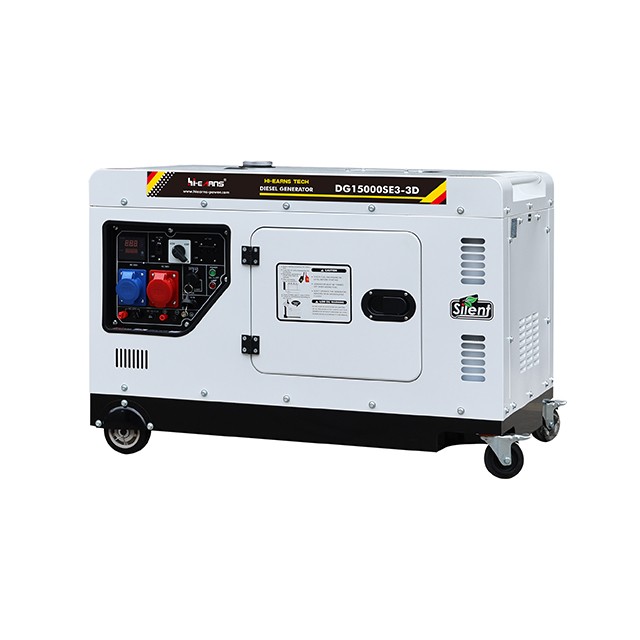
You will find that an air cooled diesel generator uses a simple cooling system. The engine stays cool by moving air across its surface. Fans pull air through vents and push it over the engine block. This process removes heat and keeps the generator running safely. You do not need water or coolant for this system. The design makes the generator lighter and easier to move. You can set up an air cooled diesel generator quickly. You do not have to worry about leaks or freezing temperatures affecting the cooling system.
The Hi-earns Silent Type Air-cooled Diesel Generator shows how this technology works in real life. This model runs quietly and provides reliable power for homes and businesses. You can use it in places where noise matters, such as residential areas or offices. The digital control panel helps you monitor the generator easily. You get a strong output and efficient performance without complicated maintenance.
You can use an air cooled diesel generator for many tasks. It works well as a backup power source during emergencies. You can rely on it for short-term needs, like powering tools at a construction site or running equipment at outdoor events. The generator fits both civil and commercial uses.
Here is a table that shows typical applications and run times:
Generator Type | Typical Run Time | Best Use Case |
|---|---|---|
Standby | 24–72 hours | Emergency backup power |
Prime | 12–24 hours | Daily use with variable load |
Continuous | 24/7 with breaks | Industrial or remote sites |
You should know that air cooled diesel generators often work best for intermittent use. They may not handle heavy loads for long periods. You might notice more noise compared to liquid cooled models, but some designs, like the Hi-earns Silent Type, reduce sound levels. You can depend on these generators when you need quick, portable power.
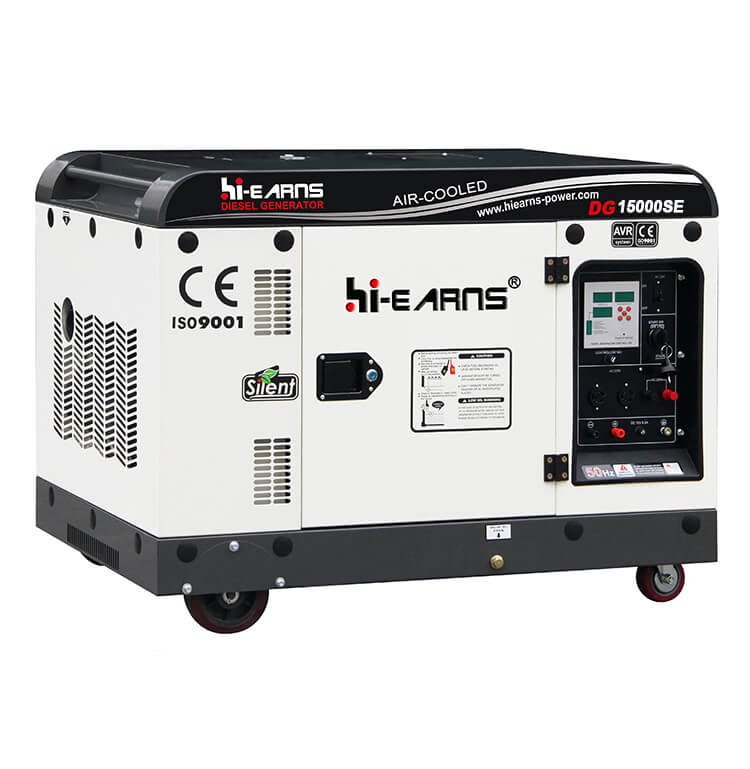
You will find that a liquid cooled diesel generator uses a closed-loop cooling system. This system keeps the engine at a safe temperature, even when you run it for long hours. The generator uses a special liquid called coolant. The coolant absorbs heat from the engine and moves it away.
Here is how the cooling process works:
The coolant flows around the engine and picks up heat.
The heated coolant travels through pipes to the radiator.
Air passes over the radiator and cools the liquid.
The cooled liquid returns to the engine and repeats the cycle.
You can see the main parts of the cooling system and their jobs in this table:
Component | Function | Maintenance Focus |
|---|---|---|
Radiator | Dissipates heat from the coolant using airflow. | Inspect for clogging or corrosion. |
Coolant Pump | Circulates coolant under pressure. | Check for leaks and proper function. |
Thermostat | Regulates coolant flow for temperature control. | Test and replace if malfunctioning. |
Fan Assembly | Draws air through the radiator for cooling. | Inspect for wear or imbalance. |
Expansion Tank | Handles coolant expansion and contraction. | Check coolant level and cap integrity. |
Hoses and Clamps | Move coolant between components. | Inspect for cracks or leaks. |
This system helps the generator stay cool and work well, even in hot weather or under heavy loads.
You will see liquid cooled diesel generators in places that need steady and strong power. Many industries use these generators because they can run for long periods without overheating. Here are some common uses:
Factories and industrial plants
Hospitals and healthcare centers
Data centers
Construction and infrastructure projects
Automotive and aerospace testing
Power plants and energy companies
You can rely on a liquid cooled generator for continuous use. Most models can run for 24 to 72 hours if you keep them maintained and manage the load. The table below shows important factors for operation:
Factor | Description |
|---|---|
Continuous Run Time | Well-maintained generators can run 24 to 72 hours. |
Influencing Factors | Fuel tank size, load, efficiency, and environment affect run time. |
Optimization Strategies | Regular checks, good fuel, and cooling system care help performance. |
You should choose a liquid cooled diesel generator if you need quiet, reliable, and long-lasting power for demanding jobs.
You need to understand how the cooling system affects engine wear. The way a generator cools its engine plays a big role in how long it lasts. An air cooled diesel generator uses moving air to take away heat from the engine. This method works well for short periods or light use. When you use the generator for a long time or in hot weather, the engine can get very warm. High temperatures can cause engine parts to wear out faster. You may see more repairs or need to replace parts sooner.
Liquid cooled diesel generators use a special liquid, called coolant, to move heat away from the engine. The coolant flows around the engine and then passes through a radiator. This system keeps the engine at a steady temperature. You get better temperature control, even if the weather changes or the generator runs for many hours. The engine stays cooler, so the parts last longer. You do not have to worry as much about overheating or sudden breakdowns.
Here are some reasons why liquid cooled systems help reduce engine wear:
They remove heat from the engine more efficiently.
They keep the engine temperature steady, even in tough conditions.
They help prevent damage to important engine parts.
You want your generator to last as long as possible. The type of cooling system you choose makes a big difference in how many years you can use your generator. Most air cooled diesel generators last about 10,000 to 15,000 hours. This means you can expect them to work well for 10 to 15 years if you take care of them.
Liquid cooled diesel generators last much longer. You can use them for 20,000 to 30,000 hours. Many people use these generators for 20 to 30 years. The reason for this longer life is the better cooling system. The engine does not get as hot, so the parts do not wear out as quickly.
Tip: If you need a generator for heavy-duty or long-term use, a liquid cooled model gives you better value over time.
Here is a quick comparison:
Generator Type | Average Lifespan (Hours) | Average Lifespan (Years) |
|---|---|---|
Air cooled diesel generator | 10,000 – 15,000 | 10 – 15 |
Liquid cooled diesel generator | 20,000 – 30,000 | 20 – 30 |
You can see that liquid cooled generators often last two to four times longer than air cooled models. If you want a generator for many years, you should think about how the cooling system affects engine life.
You want a generator that gives you enough power and works efficiently. Power output means how much electricity the generator can produce. Efficiency shows how well the generator turns fuel into electricity. You can see the main differences in the table below:
Generator Type | Power Output Range (kW) |
|---|---|
Air-Cooled Generators | 13 to 20 |
Liquid-Cooled Generators | 25 to 50 |
An air cooled diesel generator usually gives you between 13 and 20 kilowatts of power. This range works well for homes, small businesses, and events. Liquid cooled generators can give you more power, from 25 to 50 kilowatts. You can use these for factories, hospitals, or places that need a lot of electricity.
You will notice that air cooled generators work best for short jobs. If you run them for a long time, they can get hot and lose efficiency. Liquid cooled generators keep a steady temperature. They can run for many hours without losing power or wasting fuel. This makes them a better choice for big jobs or long-term use.
Tip: If you need a generator for heavy equipment or long hours, choose a liquid cooled model for better efficiency and higher power.
You need to think about how your generator handles heat. Hot weather can make some generators struggle. Air cooled generators face a few challenges in high temperatures:
Overheating when the air is very hot
Cooling system may not remove enough heat
Need for strong airflow to keep the engine cool
If you use an air cooled generator in a hot place, you might see it slow down or stop working. The engine can get too warm, which lowers performance and can cause damage.
Liquid cooled generators do much better in hot climates. The coolant moves heat away from the engine and keeps the temperature steady. You can run these generators in hot weather without worrying about overheating. They keep working well, even when the air is warm.
Note: Always check the temperature where you plan to use your generator. Choose a model that matches your climate and power needs.
You need to think about how much work it takes to keep your generator running well. Air cooled diesel generators have a simple design. You only need to check the air vents, clean the filters, and make sure the fan works. You do not have to worry about coolant or water leaks. This makes air cooled models easier for you to maintain, especially if you do not have much experience with engines.
Liquid cooled diesel generators use more parts in their cooling system. You must check the coolant level, inspect hoses, and look at the radiator. You also need to watch for leaks and make sure the coolant pump works. This system keeps the engine cool for longer periods, but it needs more attention from you. If you want your liquid cooled generator to last, you should follow a regular maintenance schedule.
Tip: Always read the manual for your generator. It will tell you how often to check and replace parts.
When you buy a generator, you want to know how much you will spend at first and over time. Air cooled diesel generators usually cost less to buy. You can install them quickly, and the setup costs stay low. Liquid cooled diesel generators cost more at the start. You pay a higher price for the extra parts and the stronger cooling system. Installation also costs more because the system is more complex.
Here is a table that shows the price differences for similar power ratings:
Generator Type | Initial Purchase Price Comparison | Installation Cost Comparison |
|---|---|---|
Air-Cooled | Baseline | Baseline |
Liquid-Cooled | 50–100% premium | 30% higher |
Over time, you may spend more on fuel and repairs for air cooled models if you use them a lot. Liquid cooled generators cost more to maintain, but they run more efficiently and last longer. You should think about how often you will use your generator and how much you want to spend in the long run.
You should choose an air cooled diesel generator when you need quick, portable power. These generators work best in places where you do not need to run them all day. You can use them for home backup, small shops, outdoor events, or construction sites. Air cooled models start up fast and reach full power in seconds. This makes them a smart choice for emergencies.
You will notice that air cooled generators are lighter and easier to move. You can set them up quickly when you need power right away. They fit well in places where you do not have much space. If you need a generator for short jobs or backup, air cooled models give you a simple solution.
Noise is something you should think about. Air cooled generators are usually 5–10 decibels louder than liquid cooled ones. You might not want to use them near hospitals, schools, or quiet neighborhoods. Some models, like silent types, help reduce noise, but liquid cooled units are still quieter.
Tip: Use air cooled generators for short-term jobs, outdoor work, or emergency backup where noise is not a big problem.
You should pick a liquid cooled diesel generator for places that need steady, strong power. These generators work well in factories, data centers, hospitals, and large buildings. They can run for many hours without overheating. Liquid cooled models are the best choice for continuous or heavy-duty use.
Here is a table that shows where liquid cooled generators fit best:
Feature | Description |
|---|---|
Power Output | Good for large jobs and whole-building backup |
Applications | Data centers, manufacturing plants, hospitals |
Noise Level | Lower, better for noise-sensitive places |
Operation Time | Can run for days without stopping |
Cooling Method | Uses liquid to keep engine cool and safe |
You will find that liquid cooled generators are quieter. You can use them in places where people need peace and quiet. They are also needed for generators above 25 kW, or when you must run the generator all day and night.
Liquid cooled generators are standard for big commercial and industrial jobs.
They prevent overheating in high-demand places.
You can trust them for long-term, reliable power.
Note: Choose a liquid cooled generator for hospitals, factories, or any place that needs quiet, non-stop power.
You want to choose the right diesel generator for your needs. Start by thinking about a few key factors. These will help you make a smart choice:
Budget: Air cooled generators usually cost less. They work well for homes or small shops. Liquid cooled generators cost more but last longer and handle bigger jobs.
Usage duration: If you need power for short periods, air cooled models are a good fit. For long hours or continuous use, liquid cooled generators work better.
Environment: Air cooled generators are compact and easy to move. They fit well in small spaces. Liquid cooled generators handle hot weather and heavy loads without overheating.
Noise sensitivity: Air cooled generators can be louder. If you need quiet operation, like in hospitals or offices, liquid cooled models are quieter.
Power needs: Make sure you know how much power you need. Choose a generator that matches both your regular and peak power demands. Picking the right size helps you save fuel and money.
Tip: Avoid buying a generator that is too big for your needs. Oversized generators waste fuel and cost more to run.
You can use the table below to see which generator type fits different situations:
Generator Type | Power Ratings | Best Applications | Pros | Cons |
|---|---|---|---|---|
Air Cooled Diesel | Up to 20 kW | Homes, small shops, outdoor events | Affordable, portable, easy to maintain | Louder, not for long-term heavy use |
Commercial Diesel | Hundreds of kW to 1 MW | Retail centers, schools, small factories | Fuel efficient, scalable, low upkeep | High upfront cost, needs pro installation |
Industrial Diesel | Hundreds of kW to 2,000 kW+ | Factories, hospitals, data centers | Durable, runs nonstop under load | Very expensive, needs special housing |
You should always match the generator to your needs. Think about how often you will use it, how much power you need, and where you will place it. Regular maintenance and checking your power needs help your generator run well and last longer.
Note: If you feel unsure, talk to a generator expert. They can help you pick the best model for your situation.
You now know the main differences between air cooled and liquid cooled diesel generators.
Air cooled units work best for short-term use, lighter loads, and easy setup.
Liquid cooled systems handle higher power, run longer, and perform well in tough environments.
Maintenance and cost also differ between the two types.
The right generator depends on your power needs, location, and budget. Always check your requirements before you buy.
Resource Type | Description |
|---|---|
Expert Consultation | Get advice to match your needs and site details. |
Power Calculator | Estimate your power needs quickly. |
Sizing Guide | Learn how to choose the correct generator size. |
You should review your needs, inspect the generator, and ask an expert for help if you feel unsure.
Liquid cooled generators usually run quieter than air cooled models. You can use them in places where noise matters, like hospitals or offices.
You should look at these factors:
Power needs
Usage time
Budget
Noise level
Environment
Pick the generator that matches your main requirements.
Generator Type | Main Maintenance Tasks |
|---|---|
Air Cooled | Clean vents, check fan, filters |
Liquid Cooled | Check coolant, hoses, radiator |
You should follow the manual for best results.
You can use an air cooled generator in warm weather for short jobs. For long use in high heat, you should pick a liquid cooled model. It handles hot conditions better and keeps running safely.