



Hotline 0086-519-86239986

All News
When you look at generators, the main difference comes from how they keep cool. A water cooled generator uses liquid to remove heat, while an air cooled model relies on air flow. Cooling matters because it protects the engine and helps your generator last longer. For example, a water cooled generator like the Hi-earns Water-cooled Diesel Generator can run up to 4,000 hours with lighter use, while air cooled options often reach only 1,000 hours.
Generator Type | Typical Lifespan (hours) | Extended Lifespan (hours) |
|---|---|---|
Air-Cooled | 1,000 | N/A |
Liquid-Cooled | 2,000 | Up to 4,000 |
Choosing the right cooling system ensures your generator meets your needs and works well in your environment.
Water cooled generators last longer, often running up to 4,000 hours, making them ideal for critical applications like hospitals.
Air cooled generators are portable and easy to set up, perfect for short-term use or outdoor events.
Choose a water cooled generator for quiet operation and steady power in demanding environments, while air cooled models suit casual or emergency needs.
Consider maintenance needs: water cooled generators require service every 500 hours, while air cooled ones need it every 250 hours.
Evaluate your power requirements and environment to select the right generator type for your specific needs.
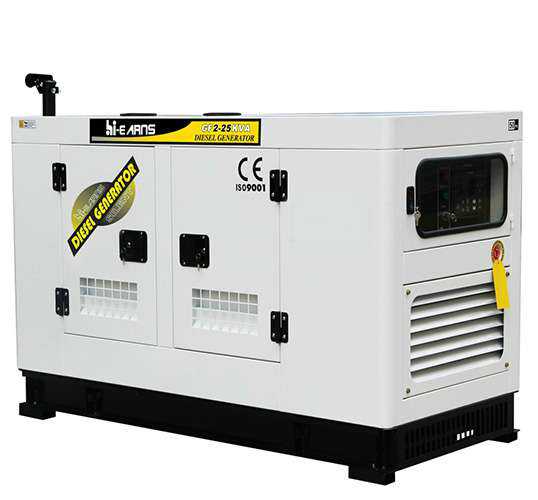
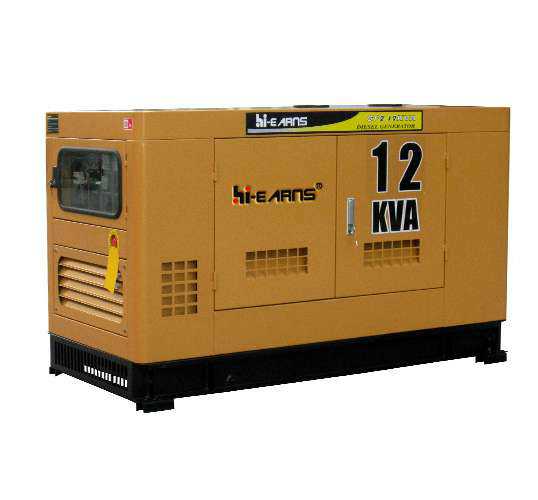
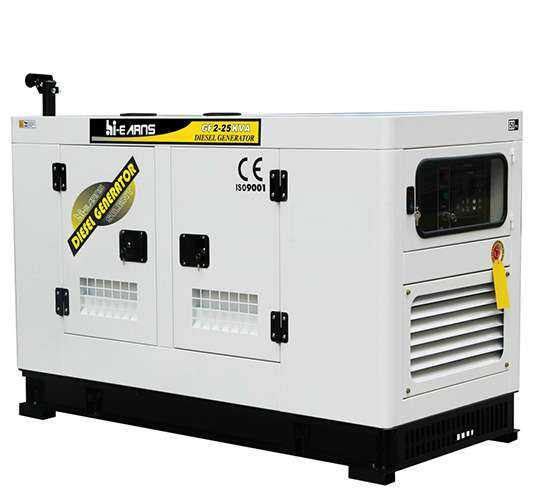
You can see how a water cooled generator works by looking at its cooling system. The Hi-earns Water-cooled Diesel Generator uses advanced technology to keep the engine safe and efficient. The cooling system has several important parts. The raw water pump draws in water from outside. The coolant pump moves antifreeze through the engine. The heat exchanger transfers heat from the engine coolant to the outside water without mixing them. The thermostat controls the flow of coolant based on how hot the engine gets. This system helps the generator run smoothly and prevents overheating.
The Hi-earns Water-cooled Diesel Generator stands out because it uses a silent operation feature. You can use it in places where noise must stay low, like hospitals or schools. The brushless alternator gives you steady power without interruptions. Hi-earns also meets strict quality standards, including ISO9001-2015 certification and CE approval.
You can rely on a water cooled generator for many important jobs. Hospitals need steady power for medical equipment. Schools use generators to keep lights and computers running. Supermarkets depend on generators to protect food and keep registers working. Military bases trust water cooled generators for critical operations. The Hi-earns Water-cooled Diesel Generator fits all these needs because it offers stable power and quiet performance.
You can choose from different models, such as the GF2-10KVA for smaller jobs or the GF2-300KW for big projects.
You get a generator that lasts longer and works well in tough conditions.
You can depend on Hi-earns for quality and reliability.
A water cooled generator gives you peace of mind. You know your power supply will stay strong and your equipment will stay safe.
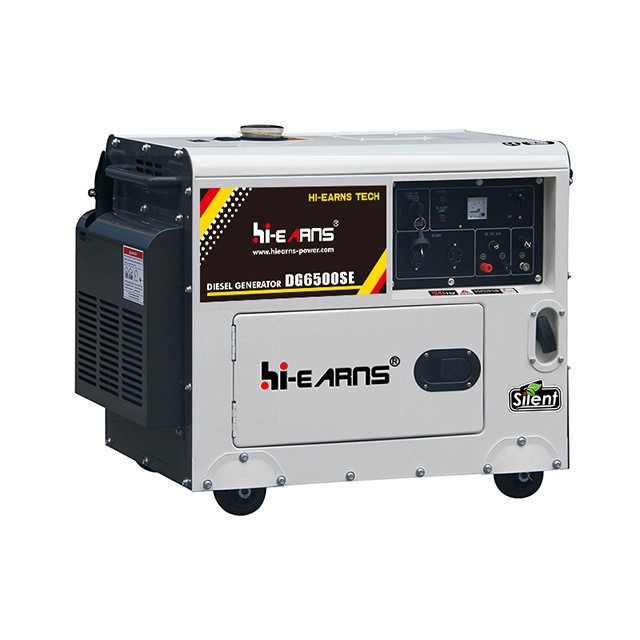
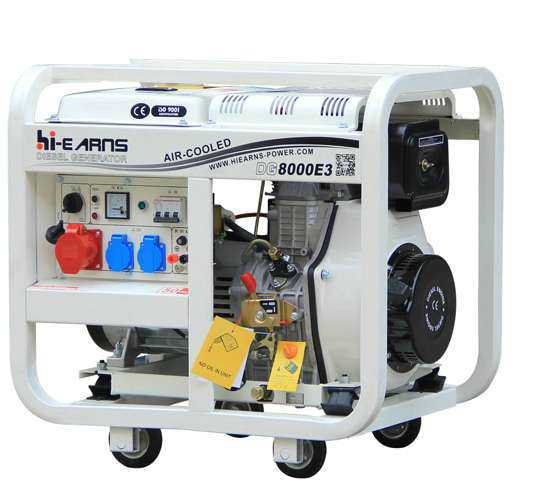
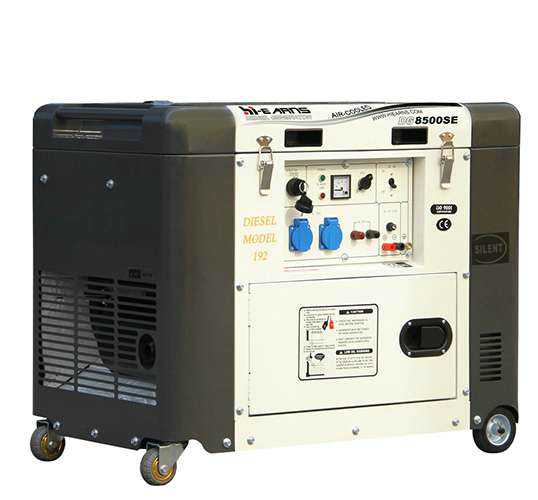
You will find that air cooled generators use a simple method to keep the engine from overheating. These generators have fins on the engine block. The fins increase the surface area, so heat moves away from the engine faster. A fan blows air over these fins. The moving air carries the heat away. You do not need water or coolant for this system.
Air cooled generators work best in open spaces where air can move freely. You should keep the generator away from walls or objects that block airflow. If you use the generator in a hot place, the cooling system may not work as well. High temperatures can make the engine run hotter.
Here is a table that shows some common limitations of air cooled generators:
Limitation | Description |
|---|---|
Limited heat removal capability | This restricts the size and rating of the generator. |
Vulnerability to environmental contaminants | Open ventilated systems are susceptible to dust and moisture, which can affect performance. |
Reduced efficiency at high ambient temperatures | The cooling efficiency decreases as ambient temperatures rise, impacting generator performance. |
Higher noise levels | Increased airflow results in elevated noise levels, which can be a concern in certain environments. |
You will see air cooled generators in many places. People use them for home backup power during storms or outages. You might use one for camping trips or outdoor events. Construction workers use air cooled generators to run tools at job sites. Small businesses use them to keep lights and equipment running during short power cuts.
Air cooled generators are easy to move because they are lighter and smaller.
You can start them quickly and use them right away.
You do not need to check water or coolant levels.
If you need a generator for short-term use or for moving from place to place, an air cooled generator can be a good choice. You get a simple, portable power source that works well for many everyday needs.
You want your generator to stay cool, even when it works hard. A water cooled generator uses liquid to move heat away from the engine. This system keeps the engine at a steady temperature, even during long or heavy use. Air cooled generators use fans and fins to blow heat away. This works well for short jobs or cooler weather, but it can struggle in hot places or during long runs.
In real-world situations, water cooled generators have shown their strength. For example, a hospital used a water cooled generator during a winter storm and avoided millions in losses. In a Midwest factory, a water cooled generator kept running for two weeks during a power crisis, while air cooled models would have overheated.
You need to keep your generator in good shape. Air cooled generators have a simple design, so you can check and service them quickly. You may need to do maintenance more often, about every 250 hours. Water cooled generators have more parts, like pumps and radiators, but they need service less often—about every 500 hours.
Here is a table that shows the difference in maintenance costs and lifespan:
Generator Type | Maintenance Cost (Annual) | Lifespan |
|---|---|---|
Air-Cooled Generators | Starting at $695 | Shorter lifespan |
Water-Cooled Generators | Starting at $895 | Longer lifespan |
If you use your generator a lot, a water cooled generator can save you time and money in the long run.
You want a generator that lasts. Water cooled generators usually have a longer lifespan because they run cooler and face less stress. Some models, like the Hi-earns Water-cooled Diesel Generator, can run for up to 4,000 hours with proper care. Air cooled generators often last about 1,000 hours. If you need power for important places like hospitals or data centers, a water cooled generator gives you more peace of mind.
In data centers, water cooled generators have run for over 240 hours straight, keeping temperatures steady and reducing engine wear by up to 34%.
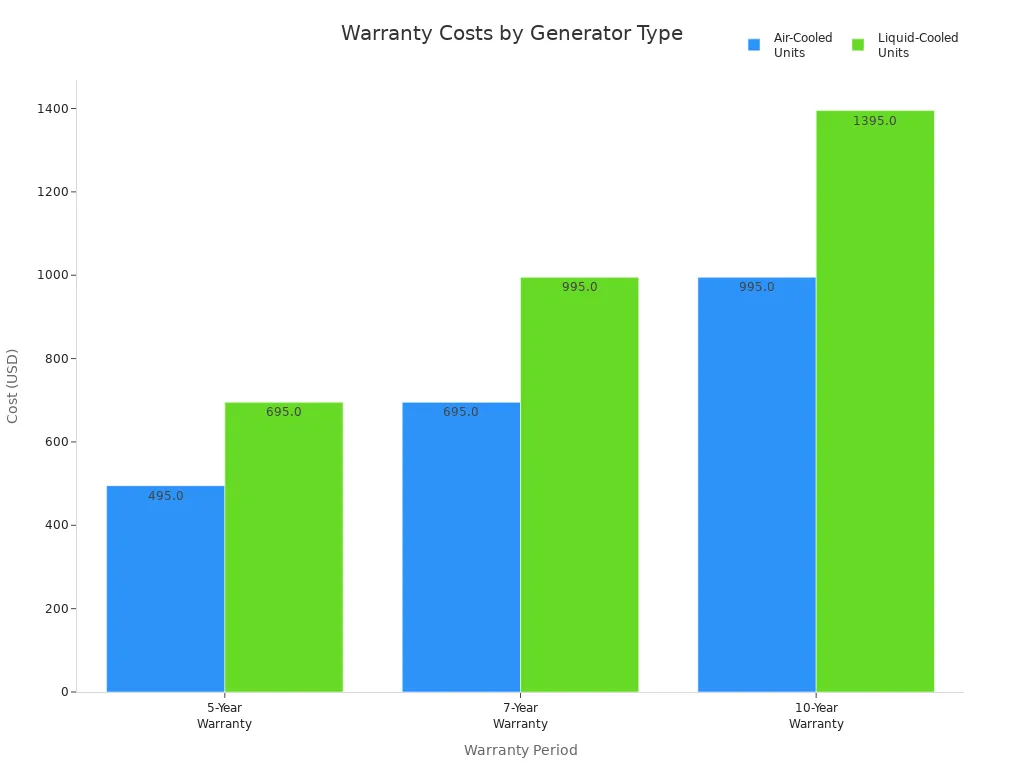
Warranty periods also show the difference in durability. Here is a chart that compares warranty costs for air-cooled and water cooled (liquid-cooled) generators:
You may need a quiet generator for places like hospitals, schools, or offices. Water cooled generators, especially models like the Hi-earns Water-cooled Diesel Generator, run more quietly because the liquid cooling system absorbs sound. Air cooled generators use fans, which can be loud. If you care about noise, a water cooled generator is the better choice.
You might wonder which generator is easier to move or fit into a small space. Air cooled generators are lighter and smaller, so you can carry them to job sites or events. Water cooled generators are heavier because they have extra parts like radiators and pumps. However, for the same power output, a water cooled generator can have a more compact footprint, even if it weighs more.
Generator Type | Size Comparison | Weight Comparison |
|---|---|---|
Air-Cooled | Smaller & Lighter | Lighter |
Water-Cooled | More Compact | Heavier |
Air cooled generators are best for portable use.
Water cooled generators work well in fixed locations where you need steady power.
You want to know how much you will spend. Air cooled generators cost less to buy because they have a simple design. Water cooled generators cost more at first—sometimes 50% to 100% more. Installation for water cooled models also costs about 30% more. However, water cooled generators use fuel more efficiently and need less frequent maintenance, which can save you money over time.
Here is a table that compares costs and other factors:
Aspect | Air-Cooled Generators | Water-Cooled Generators |
|---|---|---|
Initial Capital Expenditure | Lower upfront costs | Higher costs (50-100% more) |
Installation Costs | Generally lower | About 30% higher |
Operating Costs | More frequent maintenance (every 250 hours) | Longer intervals (every 500 hours) |
Fuel Efficiency | Less efficient under high demand | More efficient |
ROI | Better for low usage (under 50 hours/year) | Better for high usage (over 100 hours/year) |
If you need a generator for home backup or short jobs, an air cooled model saves you money. If you need power for long hours or critical places, a water cooled generator gives you better value over time.
Hospitals, factories, and data centers choose water cooled generators for long, reliable power.
Homeowners, campers, and small businesses often pick air cooled generators for short-term or portable use.
You can see that each type has its strengths. Think about how you will use your generator and what matters most for your needs.
You can see the main advantages and disadvantages of water cooled generators in the table below. This will help you decide if this type fits your needs.
Pros | Cons |
|---|---|
Runs quietly in most environments | Costs more to buy and install |
Handles long, heavy use well | Needs more parts and space |
Lasts longer with proper care | Heavier than air cooled units |
Works well in hot climates | Requires regular coolant checks |
Provides steady power output | May need professional service |
Tip: If you need reliable power for hospitals, schools, or factories, you should consider a water cooled generator. You get quiet operation and long life.
You can check the pros and cons of air cooled generators in this table. This will show you where these models work best.
Pros | Cons |
|---|---|
Easy to move and set up | Can be noisy |
Lower price for most models | Less efficient in hot weather |
Simple design for quick use | Shorter lifespan |
Needs less maintenance | Not for heavy, long use |
Good for home and outdoor use | May overheat in closed spaces |
Note: If you want a generator for camping, home backup, or small jobs, an air cooled generator gives you a simple and affordable choice.
You need to think about where and how you will use your generator. The environment can change how well your generator works. High temperatures can lower engine efficiency and make overheating more likely. Humidity can cause moisture to build up inside the generator. This moisture can lead to corrosion and electrical problems. Good ventilation and a strong cooling system help keep your generator running smoothly, especially in hot places.
Here are some things to consider about your environment:
High temperatures may cause engines to overheat.
Humidity can lead to rust and electrical faults.
Proper airflow and cooling are important in warm climates.
Moisture can collect inside parts and cause damage.
If you plan to use your generator in a hot or humid place, you should choose a model with a strong cooling system. This will help your generator last longer and work better.
You should match your generator to your power needs and how you plan to use it. The table below shows what to look for when choosing between air-cooled and liquid-cooled generators:
Factor | Air-Cooled Generators | Liquid-Cooled Generators |
|---|---|---|
Power Output Needs | Good for small loads and home use | Best for high loads and steady power |
Operational Environment | Works best in mild weather | Handles many types of weather |
Maintenance & Longevity | Lower cost but may need more repairs | Needs more care but lasts longer |
Noise Levels | Louder during use | Runs more quietly |
Cost Analysis | Cheaper to buy, may cost more over time | Costs more at first, saves money long-term |
You should choose an air-cooled generator if you need less than 20kW, want a backup for emergencies, have a small budget, or need something easy to move. You should pick a liquid-cooled generator if you need more than 25kW, want quiet operation, need long run times, or plan to use it in hot weather.
If you need a generator for high power demands or continuous use, home standby and natural gas generators work best. These can run for weeks without stopping and do not need refueling.
Tip: Always think about your power needs, the climate, and how often you will use your generator before making a choice.
You now know the main differences between air cooled and water cooled generators. Air cooled models work well for short-term or portable needs. Water cooled units handle heavy loads and long hours. When you choose a generator, think about your power needs, fuel type, and where you will use it. Always check your site’s power demand and plan for future growth. For reliable performance in demanding settings, consider trusted brands like Hi-earns.
You get better cooling and longer engine life. Water cooled generators handle heavy loads and long hours. They also run more quietly, making them great for hospitals and schools.
You should not use air cooled generators indoors. They need lots of fresh air to cool down. Using them inside can cause overheating and dangerous fumes.
You should check air cooled generators every 250 hours. Water cooled generators need service about every 500 hours. Always follow the manufacturer’s guide for best results.
Air cooled generators are lighter and smaller. You can move them easily for camping or job sites. Water cooled generators weigh more and work best in fixed locations.
You may pay more at first for a water cooled generator. Over time, you save money with fewer repairs and better fuel efficiency, especially if you use it often.