



Hotline 0086-519-86239986

All News
In the realm of industrial machinery, transportation, and power generation, diesel engines play a pivotal role due to their high thermal efficiency, durability, and ability to handle heavy loads. Selecting the right diesel engine manufacturer is crucial for ensuring optimal performance, reliability, and cost-effectiveness over the engine's lifecycle. This article delves into the key factors to consider when evaluating diesel engine manufacturers, providing insights that can guide informed decision-making.
Product Range and Customization Capabilities
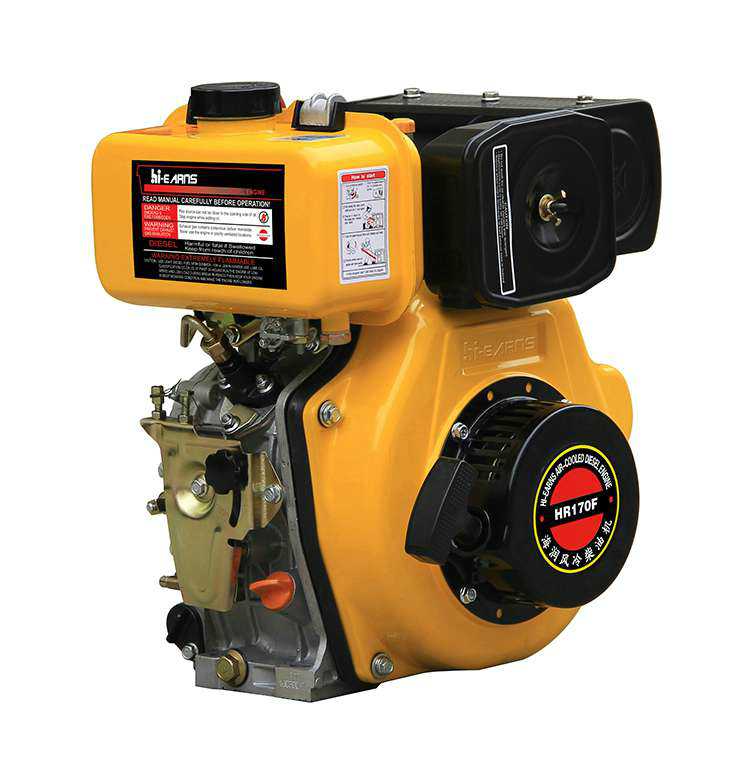
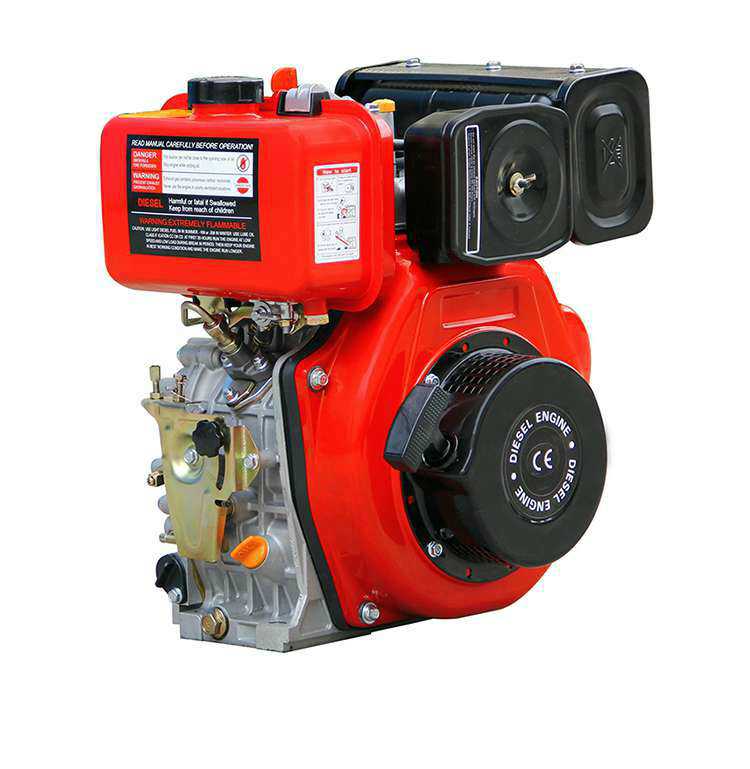
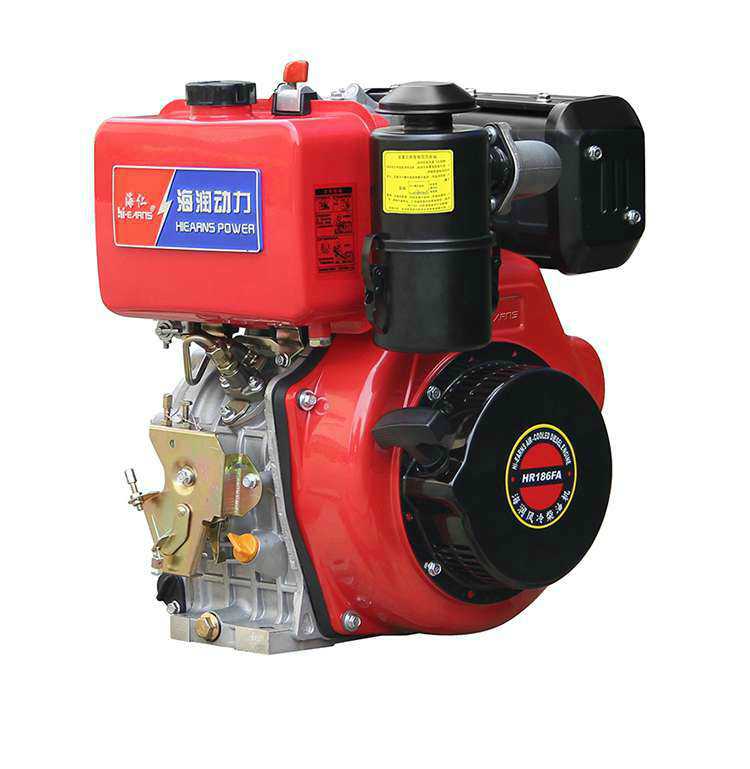
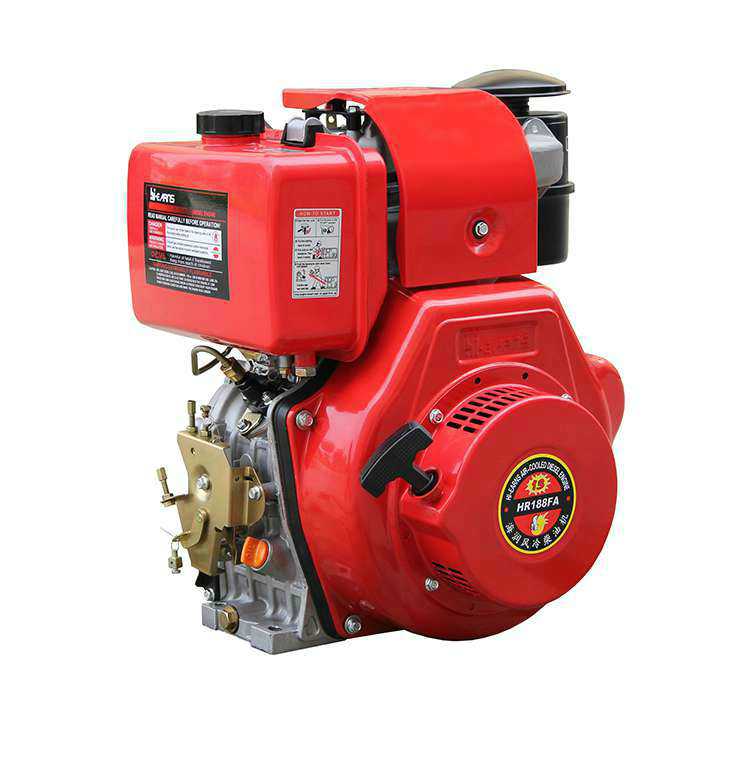
A reputable diesel engine manufacturer should offer a diverse range of engines tailored to various applications. Whether it's for marine propulsion, construction equipment, agricultural machinery, or power generation, the manufacturer should have engines with different power outputs, configurations (such as inline, V-type, or opposed-piston), and cooling systems (air-cooled or water-cooled). This diversity ensures that customers can find an engine that precisely matches their operational needs.
Moreover, customization capabilities are increasingly important in today's market. Manufacturers that can adapt their engines to specific customer requirements, such as integrating advanced fuel injection systems, optimizing for altitude or extreme temperatures, or incorporating emission control technologies, demonstrate a higher level of expertise and flexibility. This ability to customize not only enhances engine performance but also extends its service life in challenging environments.
Quality Assurance and Certification
Quality is non-negotiable when it comes to diesel engines. A reliable manufacturer adheres to stringent quality control processes throughout the production cycle, from raw material selection to final assembly and testing. Look for manufacturers that have obtained international certifications such as ISO 9001 for quality management systems and ISO 14001 for environmental management systems. These certifications indicate a commitment to maintaining high standards in product quality and environmental responsibility.
Additionally, manufacturers that subject their engines to rigorous testing protocols, including endurance tests, performance evaluations under varying loads, and emission compliance checks, provide assurance that their products will perform reliably in real-world conditions. Some manufacturers even offer extended warranties or performance guarantees, further demonstrating their confidence in the quality of their engines.

Technological Innovation and R&D Investment
The diesel engine industry is constantly evolving, driven by advancements in fuel efficiency, emission reduction, and digitalization. A forward-thinking manufacturer invests heavily in research and development (R&D) to stay at the forefront of technological innovation. This includes exploring alternative fuels like biodiesel or hydrogen, developing more efficient combustion processes, and integrating smart technologies such as remote monitoring and predictive maintenance.
By choosing a manufacturer that prioritizes R&D, customers can benefit from engines that are not only more efficient and environmentally friendly but also equipped with features that enhance operational efficiency and reduce downtime. For instance, engines with built-in sensors and connectivity can provide real-time data on performance metrics, enabling proactive maintenance and optimizing fuel consumption.
After-Sales Support and Service Network
The relationship with a diesel engine manufacturer doesn't end with the purchase. After-sales support, including spare parts availability, technical assistance, and maintenance services, is critical for ensuring the long-term reliability and performance of the engine. A manufacturer with a well-established global service network can provide prompt support wherever the engine is deployed, minimizing downtime and reducing operational costs.
Evaluate the manufacturer's after-sales policies, such as the availability of genuine spare parts, the responsiveness of their customer service team, and the accessibility of training programs for maintenance personnel. Manufacturers that offer comprehensive after-sales support demonstrate a commitment to building long-term relationships with their customers and ensuring the success of their products in the field.
Environmental Sustainability and Corporate Responsibility
In today's environmentally conscious world, the environmental impact of diesel engines is a significant consideration. A responsible diesel engine manufacturer takes steps to minimize the environmental footprint of their products throughout their lifecycle. This includes designing engines that comply with the latest emission standards, using eco-friendly manufacturing processes, and promoting the recycling or proper disposal of used engines and components.
Furthermore, manufacturers that engage in corporate social responsibility initiatives, such as supporting local communities, promoting diversity and inclusion, and adhering to ethical business practices, contribute to a more sustainable and equitable world. Choosing a manufacturer that aligns with your values on environmental sustainability and corporate responsibility can enhance your brand reputation and appeal to customers who prioritize these issues.

Market Reputation and Customer Feedback
The reputation of a diesel engine manufacturer in the market is a valuable indicator of their reliability and performance. Research the manufacturer's history, including their track record in delivering high-quality products, their ability to meet customer deadlines, and their responsiveness to customer feedback. Online reviews, industry awards, and testimonials from existing customers can provide valuable insights into the manufacturer's strengths and weaknesses.
Additionally, consider the manufacturer's market share and presence in your specific industry or application. A manufacturer with a strong presence in your sector is likely to have a deeper understanding of your operational needs and challenges, enabling them to provide more tailored solutions and support.
Conclusion
Choosing the right diesel engine manufacturer is a critical decision that can significantly impact the performance, reliability, and cost-effectiveness of your operations. By considering factors such as product range and customization capabilities, quality assurance and certification, technological innovation and R&D investment, after-sales support and service network, environmental sustainability and corporate responsibility, and market reputation and customer feedback, you can make an informed choice that aligns with your operational needs and values.
Remember, a reputable diesel engine manufacturer is not just a supplier of engines but a partner in your success. They should be committed to providing high-quality products, innovative solutions, and comprehensive support to help you achieve your goals. By carefully evaluating your options and selecting a manufacturer that meets these criteria, you can ensure that your diesel engines deliver optimal performance and reliability for years to come.