



Hotline 0086-519-86239986

All News
When you compare a diesel engine to a gasoline engine, you notice clear differences in how each one meets your needs. Diesel engines work best for trucks and long-distance travel because they offer better fuel economy and higher energy density. Gasoline engines suit lighter vehicles and city driving, giving you smoother acceleration and lower upfront costs.
Buyers now weigh their needs carefully since the performance gap between diesel and gas trucks has narrowed.
Your choice depends on your driving habits and financial plans.
Understanding these differences helps you pick the engine that matches your lifestyle.
Diesel engines offer better fuel efficiency and higher torque, making them ideal for heavy-duty tasks and long-distance travel.
Gasoline engines provide smoother acceleration and lower upfront costs, suiting lighter vehicles and city driving.
Diesel engines use compression ignition, while gasoline engines rely on spark ignition, leading to differences in efficiency and performance.
Diesel engines emit more NOx and particulate matter, but gasoline engines produce higher CO₂ emissions, impacting environmental considerations.
Your choice between diesel and gasoline engines should depend on your driving habits, work needs, and budget.
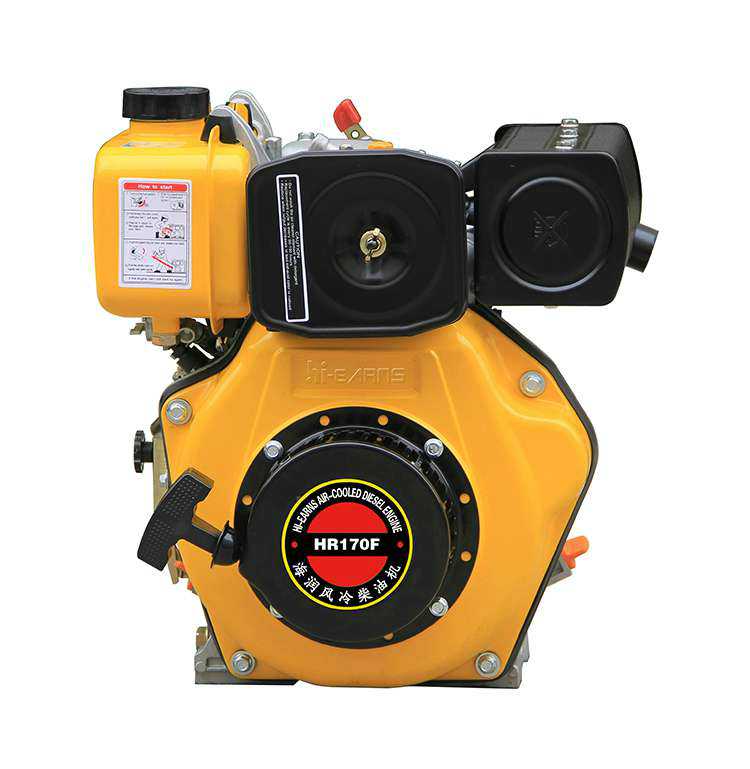
You see a big difference in how diesel and gasoline engines start the combustion process. Diesel engines use compression ignition. This means the engine compresses air until it gets very hot. When the fuel enters the chamber, it ignites because of the heat. Gasoline engines use spark ignition. The engine mixes air and fuel, then a spark plug creates a spark to start the combustion.
Tip: Diesel engines do not need spark plugs. They rely on high pressure and temperature to ignite the fuel. Gasoline engines need spark plugs to fire at the right moment.
Here is a table that shows the main differences:
Engine Type | Compression Ratio | Ignition Method | Efficiency Impact |
|---|---|---|---|
Gasoline Engine | 8:1 to 10:1 | Spark Plug Ignition | Lower compression resistance limits efficiency |
Diesel Engine | 18:1 or higher | Compression Ignition | Higher compression resistance allows for a more complete and efficient fuel burn |
You notice that diesel engines compress only air before injecting fuel. This process creates enough heat for ignition. Glow plugs help during cold starts by warming the chamber. Gasoline engines mix air and fuel earlier and depend on spark plugs for ignition. Compression ignition in gasoline engines can cause damage, so they use lower compression ratios.
The fuel and combustion process also sets these engines apart. Diesel fuel has more energy per liter than gasoline. This gives diesel engines better fuel efficiency and more torque at lower RPMs. Gasoline burns faster and works well at higher RPMs, which helps with quick acceleration.
Here is a table comparing fuel and combustion features:
Feature | Diesel Engines | Gasoline Engines |
|---|---|---|
Ignition Method | Compression Ignition (CI) | Spark Ignition (SI) |
Compression Ratio | 14:1 to 25:1 | 8:1 to 12:1 |
Fuel Efficiency | 20-30% better than gasoline | Lower fuel efficiency |
Emissions | Higher NOx and particulate matter | More CO₂ but lower harmful pollutants |
Energy Density | More energy per liter | Less energy per liter |
Operating RPM | Lower RPMs | Higher RPMs |
Diesel engines inject fuel directly into the cylinder at high pressure. This creates a fine mist that burns efficiently.
Gasoline engines use port fuel injection or direct injection to mix air and fuel before combustion.
Diesel engines run at lower RPMs and deliver peak torque at low speeds. This makes them ideal for heavy-duty tasks like towing.
Gasoline engines operate at higher RPMs and provide peak horsepower at high speeds. You get smoother acceleration and responsive driving.
You can see that the diesel engine stands out for efficiency and reliability. The way it compresses air and burns fuel gives you more power for tough jobs. Gasoline engines offer quick response and smooth driving, which suits city travel and lighter vehicles.
You notice a clear difference in how diesel and gasoline engines deliver power and torque. Diesel engines focus on producing strong torque, especially at lower speeds. This makes them perfect for heavy-duty work like hauling, towing, and powering machinery. Gasoline engines, on the other hand, reach higher horsepower because they can spin faster. They work well for lighter vehicles and quick acceleration.
Here is a table that shows how each engine type performs:
Engine Type | Power Output Characteristics | Torque Characteristics |
|---|---|---|
Gasoline | Higher horsepower at high RPMs | Lower torque compared to diesel |
Diesel | Lower horsepower, but strong at low RPMs | High torque, ideal for heavy-duty applications |
You see that diesel engines, like the Hi-earns Diesel Engine, excel in jobs that need a lot of pulling power. For example, commercial vehicles with diesel engines often reach peak torque between 850 and 1,200 lb-ft at just 1,600 to 2,800 RPM. Gasoline engines usually offer 300 to 400 lb-ft of torque, but only at much higher RPMs.
Diesel engines give you high torque at low RPMs. This means you get strong pulling power right from the start. You do not need to rev the engine high to move heavy loads. Gasoline engines reach their best performance at higher RPMs, which gives you smoother and faster acceleration for city driving.
Here is a table comparing RPM and torque:
Engine Type | RPM Range | Torque Characteristics |
|---|---|---|
Gasoline | 6,000–8,000 | High horsepower at high RPMs |
Diesel | 1,200–2,500 | Strong torque at low RPMs, better for hauling |
Diesel engines operate best between 1,500 and 1,800 RPM.
You get a flat torque curve, which helps when starting heavy loads.
Gasoline engines work well for passenger cars and sports cars.
Diesel engines fit best in trucks, industrial machines, and equipment that need steady power.
Note: The Hi-earns Diesel Engine stands out for its high torque and reliable performance in tough conditions. You can count on it for tasks that demand strength and efficiency.
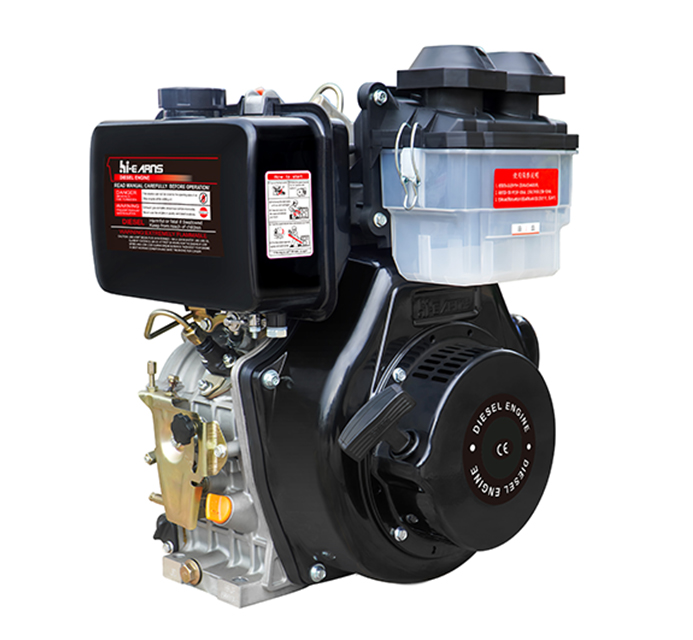
You want to know how far you can go on a tank of fuel. Diesel engines help you travel longer distances with less fuel. Gasoline engines use more fuel for the same trip. You see this difference in real-world numbers. For example, the Skoda Octavia with a diesel engine gets 52 miles per gallon (mpg-US), while the gasoline version gets 41 mpg-US. Diesel engines save you money because you stop less often to refuel.
Vehicle Model | Engine Type | Combined Fuel Efficiency (L/100 km) | Combined Fuel Efficiency (mpg-US) |
|---|---|---|---|
Skoda Octavia | Gasoline | 5.7 | 41 |
Skoda Octavia | Diesel | 4.5 | 52 |
You notice that diesel engines offer 20-30% better fuel economy than gasoline engines. This advantage makes diesel engines popular for heavy-duty vehicles and long-distance travel. You spend less on fuel over time, which helps your budget.
Diesel engines consume 20-30% less fuel than gasoline engines for the same distance.
Lower fuel consumption means fewer stops and less money spent on fuel.
Diesel engines work best for trucks, buses, and machines that need to run for many hours.
Diesel fuel contains more energy per gallon than gasoline. You get more power from each drop of diesel. Diesel engines use higher compression ratios, which helps them turn more fuel into useful work. You see this in the way diesel engines run longer and stronger.
Diesel fuel has 10% to 15% more energy per gallon than gasoline.
Diesel engines operate at compression ratios of 14:1 to 25:1. Gasoline engines use ratios of 8:1 to 12:1.
Diesel engines convert more fuel energy into motion because they use a leaner air-fuel mixture.
Higher thermal efficiency lets diesel engines extract more energy from fuel.
You benefit from longer driving ranges and better fuel efficiency when you choose a diesel engine. The Hi-earns Diesel Engine uses advanced designs to maximize these advantages, giving you reliable performance and lower fuel costs.
You see a clear difference in the pollutants that diesel and gasoline engines release into the air. Diesel engines produce less carbon dioxide (CO₂) than gasoline engines, but they emit more nitrogen oxides (NOx) and particulate matter (PM). Gasoline engines release more CO₂, but they create fewer harmful particles and gases.
Here is a table that shows how each engine type compares:
Engine Type | CO₂ Emissions | NOx Emissions | Particulate Matter (PM) |
|---|---|---|---|
Diesel | Lower | Higher | Higher |
Gasoline | Higher | Lower | Lower |
You notice that diesel engines emit higher levels of NOx and PM. NOx can cause smog, acid rain, and breathing problems. PM consists of tiny soot particles that can enter your lungs and lead to serious health issues. Diesel vehicles are responsible for 60% of NOx emissions in U.S. transportation, which affects air quality in cities and near highways.
Diesel engines emit more NOx and PM than gasoline engines.
NOx contributes to smog and acid rain.
PM can cause respiratory problems and other health concerns.
Diesel engines use advanced filtration systems to reduce these pollutants. You benefit from cleaner air when engines use modern technology. Gasoline engines still produce CO₂, which adds to global warming, but they create fewer harmful particles.
You must follow strict rules when you use diesel or gasoline engines. The U.S. Environmental Protection Agency (EPA) sets limits on emissions to protect your health and the environment. The EPA started regulating diesel emissions with the Clean Air Act in 1970. New standards will make diesel engines even cleaner.
The EPA will reduce the NOx standard for on-road diesel engines from 0.20 g/bhp·hr to 0.035 g/bhp·hr in 2027. This change means an 82.5% reduction.
The particulate matter (PM) standard will drop from 0.01 g/bhp·hr to 0.005 g/bhp·hr in 2027.
Manufacturers must use advanced technology to meet these strict standards.
You see that both diesel and gasoline engines must meet tough regulations. These rules help you enjoy cleaner air and safer communities. Engine makers continue to improve their designs so you get reliable performance with less pollution.
You want an engine that lasts a long time and keeps working well. Diesel engines are known for their strong build and ability to handle tough jobs. Many diesel engines, like the Hi-earns Diesel Engine, come with certifications such as ISO9001 and CE. These certifications show that the engine meets high standards for quality and safety. Hi-earns also gives you a one-year warranty, so you have peace of mind when you use their products.
Here are some facts about engine durability:
Diesel engines often last longer than gasoline engines because they use stronger parts.
Extended warranties for diesel vehicles usually cost more. This is because repairs can be expensive if something goes wrong.
Some repairs, like replacing a diesel particulate filter or fixing a turbocharger, can cost thousands of dollars.
You should check the warranty and certifications before you buy an engine. This helps you know what to expect if you need repairs.
You need to keep your engine in good shape with regular maintenance. Diesel engines and gasoline engines have different needs and costs. Diesel engines may need more expensive repairs, but they often go longer between major problems.
Here is a table that compares the maintenance and repair costs over five years:
Engine Type | Maintenance Cost (5 years) | Repair Cost (5 years) |
|---|---|---|
Diesel (6.7L) | $9,426 | $4,484 |
Gasoline (6.2L) | $8,311 | $3,647 |
You see that diesel engines cost more to maintain and repair. This is because they have complex parts like turbochargers and emission systems. You should follow the maintenance schedule to keep your engine running well. Regular oil changes, filter replacements, and system checks help prevent big problems.
Tip: Always use the recommended parts and fluids for your engine. This helps you avoid costly repairs and keeps your engine reliable for years.
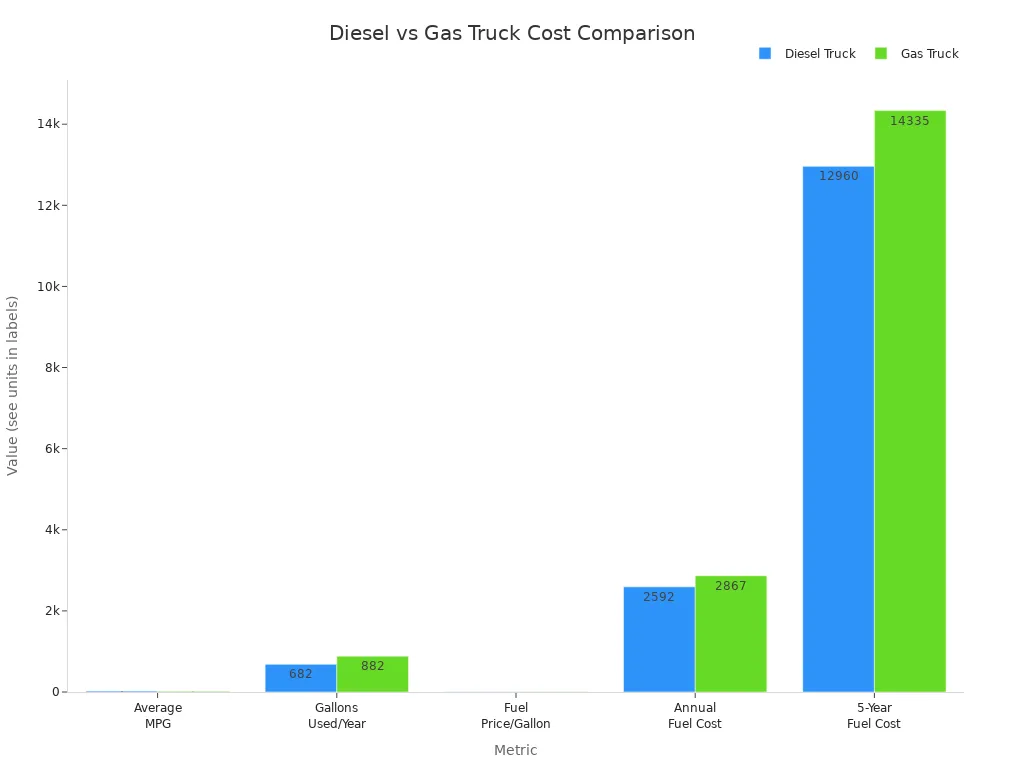
You need to think about both the price you pay at the dealership and the money you spend at the pump. Diesel engines often cost more to buy than gasoline engines. This higher price comes from the stronger parts and advanced technology inside diesel engines. For example, a truck with a diesel engine can cost several thousand dollars more than the same truck with a gasoline engine.
You also need to look at fuel costs. Diesel fuel usually costs more per gallon than gasoline. However, diesel engines use less fuel to travel the same distance. You get better mileage with diesel, so you fill up less often. Over time, the money you save on fuel can help balance out the higher purchase price.
Here is a table to help you compare:
Cost Type | Diesel Engine | Gasoline Engine |
|---|---|---|
Purchase Price | Higher | Lower |
Fuel Price | Higher per gallon | Lower per gallon |
Fuel Efficiency | Better (more miles) | Lower (fewer miles) |
Tip: If you drive long distances or use your vehicle for work, a diesel engine can save you money in the long run.
You should also consider how much your vehicle will be worth when you decide to sell it. Diesel vehicles usually keep their value better than gasoline vehicles. This is true for many types of vehicles, including trucks and commercial vehicles.
Diesel vehicles often have higher resale values.
Fleet managers prefer diesel trucks because they last longer and work harder.
Auction results show that diesel vehicles bring in more money than gasoline vehicles.
You get more back when you sell a diesel vehicle. This higher resale value can make up for the higher price you pay at the start. If you plan to keep your vehicle for many years, a diesel engine can be a smart investment.
You need to match your engine choice to your work. Diesel engines fit best in heavy-duty and commercial applications. You see them in trucks, buses, ships, and trains. Farmers use diesel engines in tractors and irrigation pumps. Construction sites rely on them for pavers, excavators, and trenchers. Hospitals and data centers depend on diesel generators for backup power. Mining operations use diesel-powered scoops and drills. The Hi-earns Diesel Engine stands out for its versatility. You can use it in generators, farm equipment, boats, and construction machines. It delivers reliable power and efficient fuel consumption.
Industry | Applications |
|---|---|
Transportation | Trucks, buses, ships, long-distance trains, portable power generators |
Agriculture | Tractors, irrigation pumps, filtering machines |
Construction | Concrete pavers, scrubbers, rollers, trenchers, excavators |
Aviation | Small general aviation planes utilizing diesel engines |
Maritime | Diesel-powered ships and vessels |
Mining | Diesel-powered scoops, drills, and trucks for mineral extraction |
Healthcare | Emergency backup generators for hospitals |
Data Centers | Diesel generators as primary backup power for communication and telecommunications organizations |
Tip: Choose a diesel engine for tasks that demand strength, long hours, and steady performance.
You should pick a gasoline engine for lighter jobs and personal use. Gasoline engines work well in cars, motorcycles, and small recreational vehicles. They suit urban driving and short trips. You get smoother acceleration and lower upfront costs. Gasoline generators are good for short-term or emergency use. They fit camping and home backup needs. You spend less on maintenance, but you use more fuel over time.
Gasoline engines are ideal for city driving and lower mileage.
They fit recreational vehicles and small machines.
Gasoline generators work best for temporary power needs.
Note: Think about your daily tasks and choose the engine that matches your routine.
You see clear differences between diesel and gasoline engines. Diesel engines give you strength, endurance, and better fuel efficiency. Gasoline engines offer quicker acceleration and lower costs.
Aspect | Diesel Engines | Gasoline Engines |
|---|---|---|
Performance | Strong, long-lasting | Fast, agile |
Efficiency | More fuel-efficient | Less fuel-efficient |
Cost | Higher upfront, longer lifespan | Lower upfront, easier repair |
Think about your driving habits and budget.
Consider environmental impact and maintenance needs.
Choose the engine that fits your work, travel, and priorities.
Diesel engines use higher compression ratios. You get more energy from each drop of fuel. This means you travel farther on less fuel. Diesel fuel also has more energy than gasoline.
You can use a diesel engine in cold weather. Modern diesel engines have glow plugs. These help start the engine when it is cold. Always use the right fuel for winter conditions.
Diesel engines have stronger parts. You get a longer engine life because the engine runs at lower speeds. Regular maintenance helps your diesel engine last even longer.
You may pay more for diesel engine maintenance. Diesel engines have special parts like turbochargers and filters. You can reduce costs by following the maintenance schedule and using quality parts.
You should choose a diesel engine for heavy-duty work. Diesel engines give you more torque at low speeds. This makes them perfect for towing, hauling, and powering machines.