




Hotline 0086-519-86239986

All News
You gain several benefits when you choose a diesel engine over a gasoline engine. Diesel engines deliver greater efficiency, lower operating costs, and strong performance. Many businesses rely on diesel engines because they work well in demanding conditions and offer reliable power. Hi-earns stands out as a trusted provider of quality diesel engines for industrial and commercial use.
Segment | Revenue Share (%) | Description |
|---|---|---|
Standby Power | 63.5 | High demand for reliable backup electricity in many sectors. |
Industrial Segment | 29.8 | Extensive use shows reliability and strong performance. |
Diesel engines offer 20-30% better fuel efficiency than gasoline engines, saving you money on fuel.
Higher energy content in diesel fuel means more power and efficiency from each gallon, leading to reduced fuel consumption.
Diesel engines typically have lower operating costs over time, thanks to longer intervals between repairs and better fuel economy.
With high torque output, diesel engines excel in heavy-duty tasks, making them ideal for trucks, tractors, and construction equipment.
Diesel engines are built for durability, often lasting between 500,000 and 1,500,000 miles, making them a smart long-term investment.
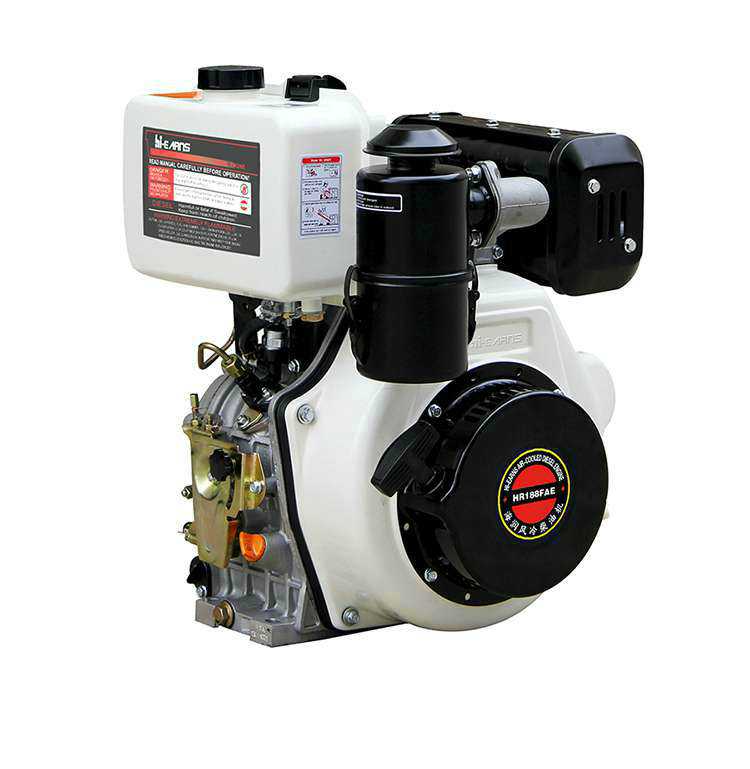
You notice a clear difference in fuel economy when you compare diesel engines to gasoline engines. Diesel engines give you more miles per gallon, which means you spend less money on fuel. Many passenger vehicles and commercial trucks use diesel engines because they deliver 20-30% better fuel efficiency than gasoline engines. You can see this advantage in the table below:
Engine Type | Fuel Economy Advantage |
|---|---|
Diesel | 20-30% better MPG |
Gasoline | Baseline |
Diesel engines are generally 30-35% more efficient by design. You get more value from each tank, especially if you drive long distances or operate heavy machinery. Fleet trucks often show a real-world advantage of 1-2 extra miles per gallon. Modern gasoline engines have improved, but diesel engines still lead in fuel efficiency for many applications.
Hi-earns diesel engine models, such as the 186FAE 10HP air-cooled engine and the HR998 25HP engine, help you achieve superior mileage. These engines use advanced technology to maximize fuel economy. You benefit from lower fuel consumption and longer operating hours, which is important for businesses that rely on consistent performance.
Diesel fuel contains more energy per gallon than gasoline. This higher energy density means you get more power and efficiency from every fill-up. You can see the benefits in several ways:
Diesel fuel has about 10% to 15% more energy per gallon than gasoline.
You use less fuel to do the same amount of work.
The higher energy density leads to reduced fuel consumption.
You get more value for your money with diesel fuel. Hi-earns diesel engines take advantage of this energy content, allowing you to run equipment longer and save on operating costs. You can trust these engines to deliver reliable power for agriculture, construction, and power generation.
You can save money over time when you choose a diesel engine. Diesel engines often use less fuel, which means you spend less at the pump. You also get longer intervals between major repairs. Take a look at the table below to see how diesel and gasoline engines compare over five years:
Engine Type | Maintenance Cost (5 years) | Repair Cost (5 years) | Fuel Cost (5 years) |
|---|---|---|---|
Diesel | $9,426 | $4,484 | $18,000 |
Gasoline | $8,311 | $3,647 | $16,000 |
You notice that diesel engines may have higher maintenance and repair costs, but their better fuel efficiency helps balance the total cost. Many businesses choose diesel engines for heavy-duty work because they run longer on each tank of fuel. Hi-earns offers products that focus on fuel quality and reliability, which helps you keep your operating costs low.
You get more value from your investment when you use a diesel engine. Diesel-powered vehicles and equipment often last longer and hold their value better. For example:
Diesel trucks usually keep about $7,000 more in resale value than gasoline trucks after 100,000 miles.
You also benefit from longer service intervals and strong performance over time. The maintenance table below shows the typical costs for diesel and gasoline engines over 150,000 miles:
Maintenance Item | Diesel Cost | Gasoline Cost | Notes |
|---|---|---|---|
Oil Changes (20 @ interval) | $2,000-$3,000 | $1,000-$1,600 | Diesel oil costs more |
Fuel Filters | $600-$1,000 | $200-$400 | Diesel uses dual filters |
Air Filters | $300-$500 | $200-$400 | Similar frequency |
Spark Plugs/Glow Plugs | $200-$400 | $300-$600 | Glow plugs last longer |
DEF Fluid | $1,500-$2,500 | $0 | Diesel only |
DPF Cleaning/Replacement | $500-$3,000 | $0 | Diesel only |
Turbocharger Service | $500-$2,500 | $0-$500 | Diesel more common |
Injector Service | $1,500-$4,000 | $400-$1,200 | Diesel injectors cost more |
Emission System Repairs | $1,000-$5,000 | $200-$800 | Diesel more complex |
Total 150K Mile Maintenance | $8,100-$21,900 | $2,300-$5,500 | Diesel costs more |
Hi-earns stands out by offering economical solutions that match or beat industry standards. You get reliable performance and strong resale value, which means you make a smart choice for your business or personal needs.
You get strong pulling power when you use a diesel engine. Diesel engines produce much higher torque at lower RPMs than gasoline engines. This means you can move heavy loads, tow trailers, or climb steep hills with less effort. Many people choose diesel engines for trucks, tractors, and construction equipment because of this advantage.
Diesel engines deliver high torque at low speeds.
You can haul heavy loads or operate large machines with less risk of stalling.
Fleet operators prefer diesel engines for tasks that need steady power and long hours.
Hi-earns offers engines designed for these tough jobs. For example, the HR998 Series provides 25 horsepower and features electric start and air cooling. The HR1105-13KW engine delivers 13 kW at 1,500 rpm, making it a great choice for water pumps and other equipment. You can also find compact options like the HR178-7HP, which is light but still powerful for mini dozers.
Technological improvements such as turbocharging and direct fuel injection help diesel engines deliver even more torque and better efficiency. These features make modern diesel engines more powerful and eco-friendly.
You can count on a diesel engine to work in harsh environments. Diesel engines often last over 15,000 hours before needing a major overhaul if you use them near their rated capacity. This long life makes them a smart choice for continuous use in places like farms, factories, and construction sites.
Diesel engines can run for thousands of hours without major repairs.
Engines that run at the right load last longer and perform better.
Running engines at low loads can cause problems, so proper use is important.
Hi-earns builds engines with advanced filtration systems to keep out dirt and dust. High-capacity cooling systems prevent overheating, even during long workdays. Vibration damping features help reduce wear and tear, so your engine lasts longer.
You get peace of mind knowing your equipment will keep running, even in extreme temperatures or tough conditions. Hi-earns designs each diesel engine to meet the needs of demanding users around the world.
You want an engine that lasts. Diesel engines stand out for their long life. Many diesel engines can run between 500,000 and 1,500,000 miles with proper care. This is much longer than most gasoline engines. You see this difference in the table below:
Feature | Diesel Engines | Gasoline Engines |
|---|---|---|
Engine Durability | Built for longevity; can last 500,000 to 1,500,000 miles with proper care | Shorter lifespan |
Ideal Use Case | Long-distance, towing, heavy-duty | Daily driving, short trips |
Maintenance Costs | Less frequent but costlier | More frequent, cheaper |
You get the best results when you use a diesel engine for heavy-duty work or long trips. These engines handle tough jobs and keep going strong. Even smaller diesel engines can reach up to 1,000,000 miles if you take care of them. This makes them a smart choice for trucks, tractors, and machines that need to work every day.
You can keep your engine running well with regular maintenance. Diesel engines need fewer repairs, but you must pay attention to oil changes and fuel quality. Regular oil changes are important because diesel engines produce more soot. Clean oil helps your engine last longer and run smoothly.
Tip: Always use high-quality oil and filters. This protects your engine from dirt and keeps it working well.
You also need to watch for fuel contamination. Good filtration systems, like those in Hi-earns engines, help prevent problems. If you follow the maintenance schedule, you can avoid big repairs and keep your engine healthy.
Hi-earns supports you with after-sales service and spare parts. You can find the parts you need quickly. Their team helps you solve problems fast, so your equipment stays on the job. This support gives you peace of mind and helps your diesel engine last even longer.
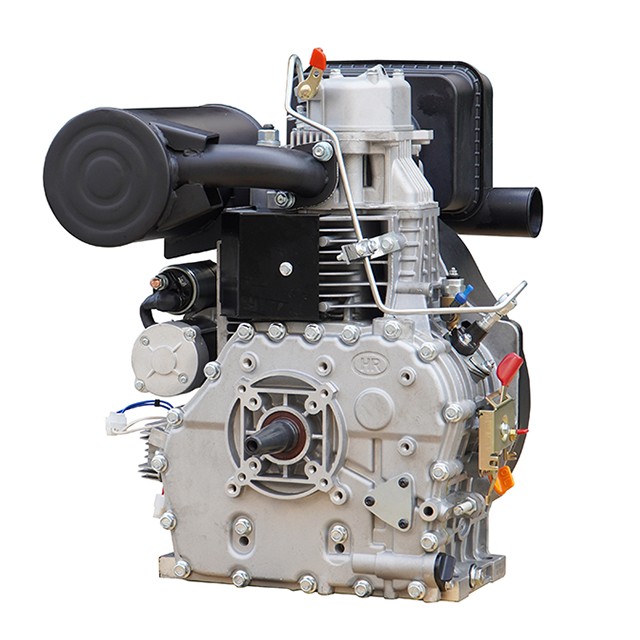
You see diesel engines at work in many industries. These engines power machines that help you build, farm, and generate electricity. You can find diesel engines in equipment such as excavators, loaders, dozers, and cranes on construction sites. Farmers use them in tractors, combines, and irrigation pumps. Power plants rely on diesel engines for standby, prime, and continuous generators.
Construction: You use diesel engines in heavy machinery to lift steel beams, dig foundations, and pave roads.
Agriculture: You depend on diesel engines for tractors and irrigation pumps that keep crops growing.
Power Generation: You trust diesel engines to supply backup power during outages or provide steady electricity in remote areas.
The table below shows how diesel engines perform compared to gasoline engines in different situations:
Engine Type | Performance Characteristics | Ideal Use Cases |
|---|---|---|
Diesel | Higher energy density, better fuel economy, high torque | Trucks, generators, tractors |
Gasoline | Smoother acceleration, lower upfront costs | Lighter vehicles, city driving |
Diesel | Excels in heavy-duty applications, ideal for hauling | Logistics, agriculture, construction |
Gasoline | Thrives at higher RPMs, better responsiveness | Sports cars, commuting |
You notice that diesel engines excel in heavy-duty tasks. You get strong pulling power and reliable performance for jobs that demand endurance.
You can use diesel engines almost anywhere in the world. These engines work well in commercial trucks and buses because they save fuel and lower operating costs. In Europe, diesel engines power about 70% of light commercial vehicles. You see them in construction and agriculture, where they handle heavy loads and last for years.
Diesel engines fit diverse environments, from farms to cities.
Modern diesel engines use Diesel Particulate Filters (DPFs) to reduce soot emissions.
Selective Catalytic Reduction (SCR) systems help control nitrogen oxide emissions.
Hi-earns offers diesel engines that meet international standards. You benefit from their global reach and product versatility. You can choose from air-cooled or water-cooled models for different climates and tasks. Hi-earns diesel engines support your work in over 100 countries, making them a smart choice for many industries.
Tip: You can rely on Hi-earns for engines that perform well and meet environmental regulations.
You see clear advantages when you choose a diesel engine for your work. The table below shows why many industries prefer diesel engines worldwide:
Category | Diesel Engines Advantages |
|---|---|
Fuel Efficiency | Higher thermal efficiency and energy content |
Performance | Superior low-end torque for towing and hauling |
Cost | Strong resale value in many markets |
Reliability | Extended range and heavy-duty suitability |
You benefit most from diesel engines in agriculture, construction, data centers, and remote sites. You should check your power needs, environment, and support options before buying. Hi-earns offers reliable solutions that match your requirements.
Diesel engines use higher compression ratios. This process extracts more energy from each drop of fuel. You get better mileage and lower fuel costs.
You should follow the manufacturer's schedule. Most diesel engines need oil and filter changes every 5,000 to 10,000 miles. Regular checks help your engine last longer.
You can use Hi-earns diesel engines in many places:
Farms for irrigation
Construction sites for machinery
Power generation for backup electricity
These engines work well in over 100 countries.
Yes! Hi-earns offers spare parts and after-sales service. You can contact their support team for help. This ensures your engine stays reliable and easy to maintain.