



Hotline 0086-519-86239986

All News
When you compare a silent diesel generator to an open type generator set, the first thing you notice is the noise. Silent models use sound-absorbing insulation, steel enclosures, and engineered air ducts to keep noise between 65–75 dB, while open types can reach 95–110 dB. You also see differences in weather protection, exhaust treatment, and where each type works best. Design, cost, and maintenance vary, making your choice important for your environment.
Silent diesel generators operate quietly, making them ideal for noise-sensitive areas like homes and hospitals.
Open type generators are easier to access for maintenance, but they produce much higher noise levels.
Consider local noise regulations when choosing a generator to avoid fines and ensure compliance.
Silent generators may have a higher upfront cost, but they save money in the long run with lower fuel and maintenance expenses.
Evaluate your power needs and environment to select the right generator type for your specific application.
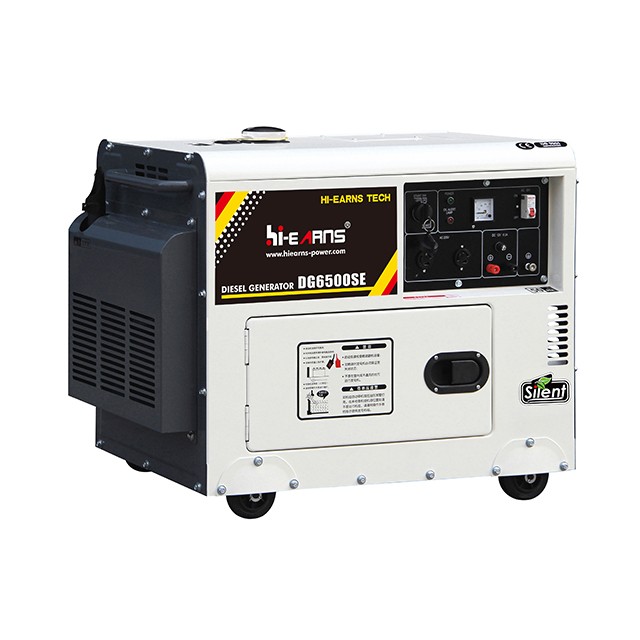
When you stand near a diesel generator, you notice the noise right away. Open type generator sets can be very loud. They often reach noise levels between 95 and 128 decibels (dB(A)). This level of sound is similar to a busy construction site or a loud rock concert. In contrast, silent diesel generators keep noise much lower, usually between 65 and 75 dB(A). This range is closer to the sound of a normal conversation or a vacuum cleaner.
You can see the difference in noise levels in the table below:
Generator Type | Decibel Level (dB(A)) |
|---|---|
Silent Diesel Generators | 65-75 |
Open Type Generators | 95-128 |
Noise levels matter a lot in different places. For example, you need a quiet environment in hospitals, hotels, and residential areas. Silent diesel generators work well in these places because they do not disturb people. Open type generators fit better in construction sites, mines, or remote areas where noise is less of a problem.
Tip: If you plan to use a generator near homes or offices, always check local noise regulations. Many cities set strict limits on how loud equipment can be, especially at night.
Silent diesel generators use special designs to keep noise low. Manufacturers build these generators with sound-dampening casings. These casings absorb and block much of the noise that the engine makes. Inside the casing, you often find multi-layered sound reduction systems. These layers trap sound waves and stop them from escaping.
Another important feature is vibration separation technology. This technology reduces the shaking and rattling that can make generators even louder. Air intake and exhaust ducts also help. They use a maze-like design to let air flow in and out while blocking sound from traveling.
Here is a table showing some of the main noise-reducing features:
Design Feature | Description |
|---|---|
Sound-dampening casings | Absorb and reduce noise from the generator. |
Vibration separation technologies | Minimize vibrations that add to noise. |
Multi-layered sound reduction systems | Trap and block sound waves inside the enclosure. |
Air intake and exhaust ducts | Allow ventilation but prevent sound from escaping easily. |
Many experts have seen these features work well in real life. For example, lab managers and engineers report that soundproof enclosures make a big difference. They say that these enclosures lower noise levels and create a calmer work environment. Some even mention that the noise becomes barely noticeable after installing a silent diesel generator.
You should also know that silent generators meet strict international noise standards. In many countries, daytime noise limits for residential areas are around 55 dB(A), and nighttime limits drop to 45 dB(A). Silent diesel generators help you stay within these limits, making them a smart choice for noise-sensitive locations.
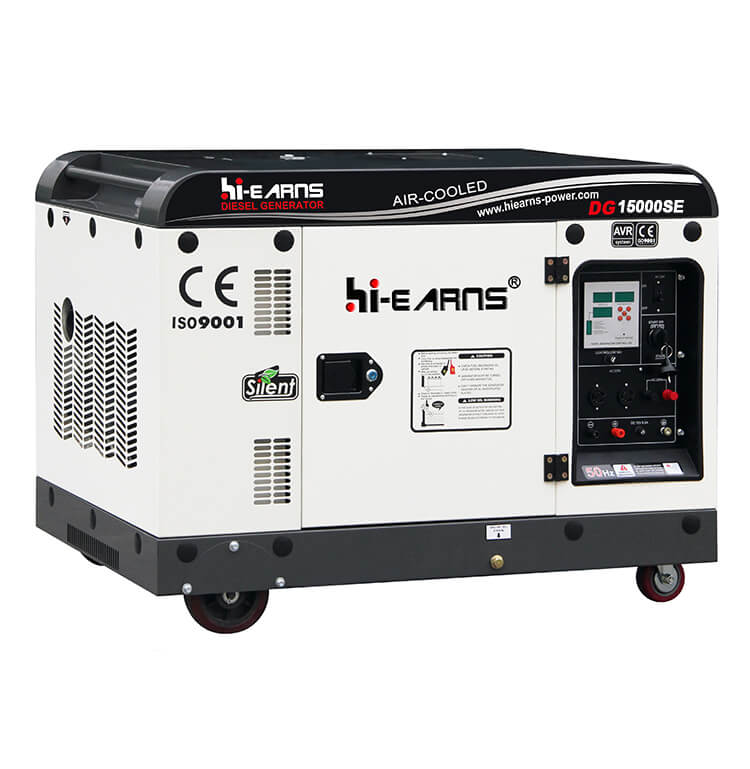
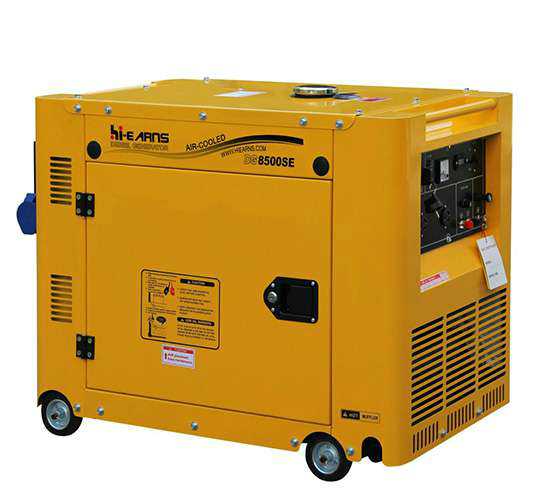
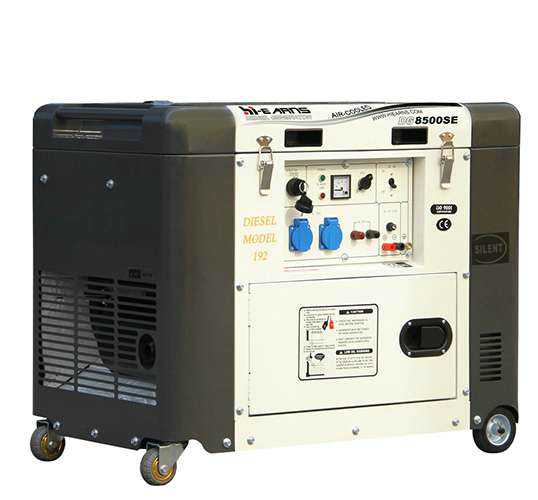
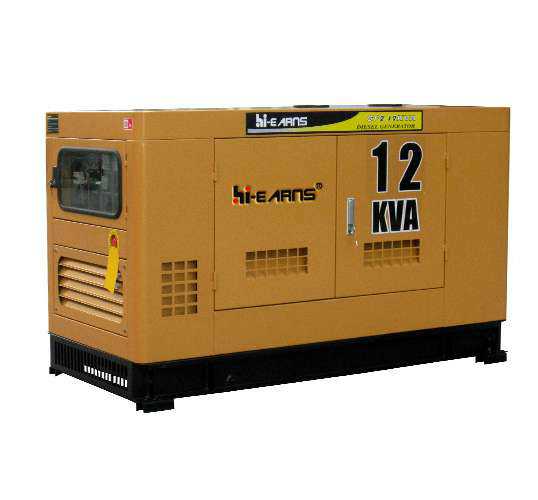
When you look at a silent diesel generator, you see a strong, closed box around the engine. This box is called an enclosure. It uses special materials and layers to keep noise inside. The enclosure often has steel on the outside and sound-absorbing materials like mineral wool or acoustic foam on the inside. These layers work together to block and absorb sound. You also find ventilation baffles that let air move but stop noise from escaping. Some enclosures use mass-loaded vinyl or melamine foam to handle high temperatures and add extra sound protection.
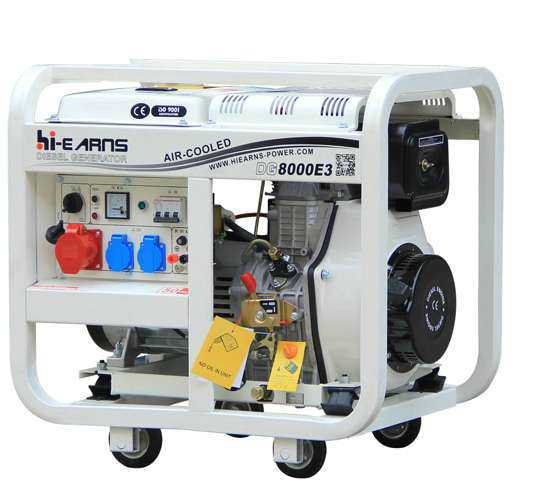
Open type generator sets look very different. You see the engine and parts out in the open, with only a basic frame or cover. These generators do not have thick walls or soundproofing. They use simple materials and have less protection from weather or noise.
Here is a table that shows the main differences in enclosure design:
Feature | Silent Diesel Generators | Open Type Generator Sets |
|---|---|---|
Noise Reduction | Acoustic insulation and sound-attenuated panels | Simpler structure, less noise control |
Structural Complexity | Complex, with features for sound reduction | Simple design, easier access |
Maintenance Access | More challenging due to acoustic canopy | Easier access to engine and alternator |
Weather Protection | Canopy-based, protects from rain and dust | Basic, limited protection |
You can see that silent models focus on noise and weather protection. Open types focus on easy access and simple design.
Materials play a big role in how well an enclosure works. Here are some common materials and what they do:
Acoustic foam traps sound waves and turns them into heat.
Fiberglass insulation absorbs sound but needs to stay contained.
Ventilation baffles let air flow but block direct sound paths.
Mass-loaded vinyl adds weight to block noise.
Melamine foam works well in hot areas.
Steel and concrete reflect noise and make the enclosure strong.
Mineral wool absorbs sound and lines the inside of the box.
These materials help silent generators stay quiet and last longer, even in tough weather.
The structure of a generator affects how you use and maintain it. Silent diesel generators have a closed structure with fewer access points. You need to open special doors or panels to reach the engine. This design keeps noise in, but it can make maintenance harder. Sometimes, you need extra space around the generator to open the canopy doors wide enough for repairs.
Open type generator sets have a simple frame. You can walk around the engine and reach every part easily. This makes it faster to check, clean, or fix the generator. Maintenance crews like open types because they can work from any side without moving parts of the enclosure.
Note: If you want easy and quick maintenance, open type generators offer better access. If you need quiet operation and weather protection, silent models give you those benefits but may take more time to service.
The design you choose should match your needs. If you care most about low noise and safety from rain or dust, a silent diesel generator works best. If you want simple, fast access for repairs, an open type generator set may suit you better.
You often see silent diesel generators in places where quiet matters. These generators help you keep noise low and protect people from loud sounds. You can use them in homes, schools, and hospitals. Many brands, like Weichai and Isuzu, design their models with advanced vibration damping technology. This feature reduces both noise and vibration, making the generator a good choice for libraries and residential projects. You also find silent diesel generators in hotels and offices. They work well in areas where people need to focus or rest.
Here are some common uses for silent diesel generators:
Homes and apartments
Libraries and schools
Hospitals and clinics
Hotels and office buildings
Tip: If you want to avoid disturbing neighbors or patients, choose a silent diesel generator for your project.
Open type generator sets fit best in places where noise is not a big concern. You can use them for outdoor events, construction sites, and industrial plants. These generators supply complete power solutions for factories and utilities. You also see them in commercial buildings as backup or prime power systems. EPC contractors often choose open type generators for large projects because they are easy to access and maintain.
The table below shows typical users and applications for open type generator sets:
Application Type | Typical Users |
|---|---|
Supplying complete power solutions | Industrial plants |
Designing backup or prime power systems | Commercial buildings |
Specifying equipment for construction | Utilities |
EPC contractors |
You can also use open type generators for outdoor concerts and major events. They provide standby supplies for residential and commercial buildings. Some facilities, like hospitals and data centers, rely on open type generators as main power sources during emergencies.
Note: Open type generator sets work well when you need easy access and strong power, but you should consider noise if you plan to use them near people.
You face unique challenges when you maintain a silent diesel generator. The soundproof enclosure protects the engine, but it also limits access. You must open special panels or doors to reach the parts inside. Sometimes, you need extra tools to remove insulation or panels. This process takes more time compared to open types.
You should check the ventilation system often. Dust and debris can block airflow, which affects cooling. Clean the air filters and inspect the baffles. The enclosure also traps heat, so you must monitor temperature levels. If you ignore this, the generator may overheat.
Here is a simple checklist for servicing silent types:
Open access panels carefully.
Inspect and clean air filters.
Check insulation for damage.
Monitor temperature inside the enclosure.
Lubricate moving parts.
Test soundproofing materials.
Tip: Always follow the manufacturer’s instructions. You protect the soundproofing and keep the generator running smoothly.
You find open type generator sets easier to service. The engine and alternator sit on a basic frame. You can walk around and reach every part without removing panels. This design saves time during inspections and repairs.
You should check for dust, oil leaks, and loose bolts. The open structure exposes the generator to weather, so you must inspect for rust and corrosion. Clean the engine regularly and keep the area clear of debris.
Here is a comparison table for maintenance tasks:
Task | Silent Diesel Generator | Open Type Generator Set |
|---|---|---|
Access to engine | Limited | Easy |
Cleaning air filters | Required | Required |
Checking insulation | Important | Not needed |
Inspecting for rust | Less frequent | More frequent |
Monitoring temperature | Critical | Important |
Note: Open type generators need frequent cleaning and weather checks. You keep them reliable by staying alert to signs of wear.
When you compare silent diesel generators to open type generator sets, you notice a clear difference in price. Silent models cost more because they include soundproof enclosures and advanced noise control. Open type generators use a simpler design, so you pay less up front.
Here is a table that shows typical costs for a 500 kVA generator:
Cost Factor | Open Generator | Silent Generator | Difference |
|---|---|---|---|
Equipment purchase | $45,000 | $58,000 | +$13,000 |
Generator room / shelter | $75,000 | $0 | -$75,000 |
Installation labor | $15,000 | $5,000 | -$10,000 |
Noise compliance / permits | $8,000 | $1,000 | -$7,000 |
5-year maintenance | $12,000 | $11,000 | -$1,000 |
Resale value at year 5 | $18,000 | $24,000 | +$6,000 |
Silent generators usually cost 15–40% more than open types. You pay a premium of $8,000 to $25,000 for a silent model. The extra cost comes from features like soundproofing and special engineering.
You see silent generators in places where noise rules are strict, such as hospitals and city construction sites. Open type generators work well in areas where noise does not matter as much.
Tip: If you need a generator for a quiet location, the higher price of a silent model can help you meet noise regulations and avoid extra permit costs.
You also need to think about operating costs. Diesel generators save you money over time because they use fuel efficiently. You get better performance under heavy loads and in cold weather. Diesel engines last longer and need less frequent maintenance. Repairs can be complex, but you spend less on regular upkeep.
Silent generators and open types both use diesel engines, so fuel costs are similar.
You spend less on maintenance with diesel models because they are built for tough jobs.
Silent generators may cost more to repair because of their enclosure, but you save on noise permits and compliance.
Note: Diesel generators cost more at first, but you save money in the long run with lower fuel and maintenance costs. You also get a higher resale value after five years.
You need a generator that fits your neighborhood’s rules. Many cities, like Naperville, set strict noise limits for diesel generators. During the day, you must keep noise below 62 dBA, and at night, below 58 dBA. These limits protect families from loud sounds and help everyone sleep better. The EPA and local governments also watch for noise and air pollution. Laws like the Noise Control Act of 1972 give your city power to manage generator noise.
Silent diesel generators work well in homes because they stay quiet and use less fuel. You see them operate below 65 dBA, which meets most residential noise rules. Open type generators make more noise and often break these limits. Silent models also use advanced technology to lower emissions, so you breathe cleaner air.
Here is a quick comparison:
Feature | Silent Diesel Generators | Open Type Generators |
|---|---|---|
Noise Levels | Operate below 65 dBA, suitable for residential areas | Tend to be noisier, may not meet residential noise regulations |
Fuel Efficiency | More fuel-efficient, reducing the need for frequent refueling | Generally less fuel-efficient |
Emissions | Lower emissions due to advanced technology | Higher emissions, potentially violating environmental standards |
Tip: If you live in a quiet neighborhood, choose a silent diesel generator. You avoid fines and keep your home peaceful.
You face different challenges in commercial and industrial settings. Factories, offices, and construction sites need strong power. You must check your equipment’s total load to pick the right generator. Diesel generators give you reliable power, but you must follow strict noise and emission standards.
Silent diesel generators help you meet urban regulations. They keep noise low and protect workers from loud sounds. You see them used in hospitals, hotels, and city projects. Open type generators work best in remote or outdoor sites where noise does not matter as much.
Consider these points when choosing a generator:
Calculate your power needs.
Decide if you want a mobile or stationary unit.
Check your site location and space.
Plan for emergency power.
Review your budget for installation and maintenance.
Benefit | Description |
|---|---|
Compliance with Standards | Silent diesel generators are designed to meet noise and emission standards, essential for urban operation. |
Minimal Disturbance | These generators ensure minimal noise disturbance, making them suitable for sensitive environments. |
Environmental Protection | Compliance contributes to environmental protection by reducing harmful emissions. |
Note: Government rules and incentives can change your options. The EPA’s Tier 4 standards require big cuts in emissions. Silent diesel generators often use filters and special systems to meet these rules. Open type generators may not pass these tests, so you must check local laws before buying.
You see clear differences between silent diesel generators and open type generator sets. Silent models offer quiet operation, better protection, and easier installation. Open types cost less and give you simple access for maintenance.
Factor | Open Type Generator | Silent Diesel Generator |
|---|---|---|
Initial Cost | Lower | Higher |
Noise Level | High | Low |
Protection | Exposed | Enclosed |
Think about your needs. Choose a generator that fits your noise limits, budget, and environment. You should check fuel efficiency, after-sales support, and local regulations. Silent generators help you relax or work without loud noise. Open types suit tough jobs where noise does not matter.
You get much less noise. Silent diesel generators use special enclosures and insulation. You can use them in homes, hospitals, or offices without disturbing people.
You should not use open type generators indoors. They create high noise and release exhaust gases. Always place them outside in a well-ventilated area for safety.
You should consider these factors:
Noise limits in your area
Your budget
Where you will use the generator
How often you need maintenance
Generator Type | Maintenance Cost | Reason |
|---|---|---|
Silent Diesel | Higher | Enclosure makes access harder |
Open Type | Lower | Easier access to parts |
You may pay more to maintain silent types because of their design.