



Hotline 0086-519-86239986

All News
You need regular, thorough maintenance to keep your water cooled diesel generator running at its best. Key actions include checking the cooling system, changing oil and filters, testing fuel quality, inspecting air filters, monitoring battery health, and checking electrical connections. A set maintenance schedule helps you understand why each task matters and prevents unexpected breakdowns. Hi-earns stands out as a trusted brand, known for reliable generators. The table below shows the most common maintenance actions recommended by industry standards:
Maintenance Action | Description |
|---|---|
Oil and Filter Changes | Change oil and oil filter according to the manufacturer’s schedule, typically every 200 hours or annually. |
Fuel System Service | Test fuel quality, drain water separators, replace fuel filters, and inspect tank vents and return lines. |
Electrical System Checks | Test battery voltage, clean terminal connections, inspect battery charger output, and check generator output. |
Regular maintenance is essential for a water cooled diesel generator. Follow a set schedule to prevent unexpected breakdowns and extend its lifespan.
Daily checks on oil, coolant, and fuel levels help catch small issues before they become costly repairs. Consistent monitoring keeps your generator reliable.
Clean air and fuel filters regularly to ensure optimal performance. This prevents contamination and helps your generator run smoothly when you need it most.
Keep accurate maintenance logs to track service history. Good records help you predict when maintenance is due and ensure compliance with standards.
Know when to call a professional for complex repairs. Some tasks require special skills and tools to avoid damage and ensure safety.
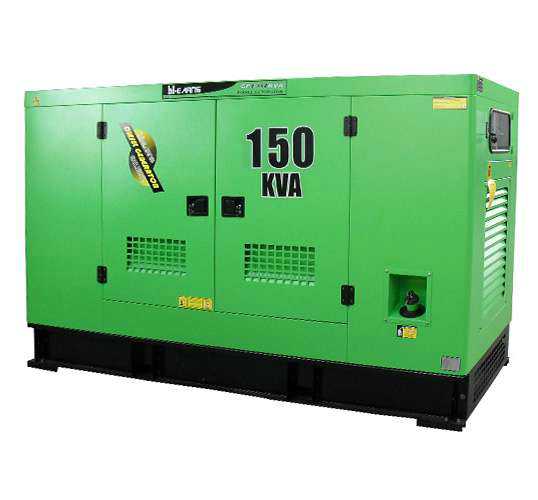
You need to follow a clear set of steps to keep your water cooled diesel generator in top condition. These steps help you spot problems early and prevent costly repairs. Here is a list of the most important maintenance actions:
Review the generator operation records every day. This helps you track performance and spot any changes.
Check the engine oil and cooling water levels daily. Low levels can cause engine damage.
Inspect for leaks and check drive belts for wear and proper tension each day.
Inspect the air filter every week. Clean or replace the filter element if needed.
Drain water and sediment from the fuel tank and fuel filter weekly. This keeps the fuel clean.
Clean the water filter every week to remove debris and impurities.
Test the battery voltage and clean any oxide buildup on the terminals weekly.
Clean the radiator fins with compressed air and water each week. This helps the generator stay cool.
Replace the engine oil, oil filter, and fuel filter every month. Clean or replace the air filter as well.
Tip: Following these steps will help you avoid sudden breakdowns and keep your generator running smoothly.
Hi-earns, a trusted name in the industry, designs water cooled diesel generators that make these maintenance steps easy to follow. Their user-friendly features and clear manuals support you in keeping your generator reliable.
Regular checks are the key to a long-lasting water cooled diesel generator. Each maintenance action plays a special role in protecting your investment. The table below shows how each action helps extend the service life of your generator:
Maintenance Action | Contribution to Service Life |
|---|---|
Coolant System Maintenance | Prevents overheating by keeping coolant effective and clean, which avoids engine damage. |
Fuel Quality Management | Keeps fuel clean and usable, so your generator starts and runs when you need it most. |
Annual Comprehensive Inspections | Finds wear and possible failures early, so you can fix problems before they get worse. |
Battery System Testing | Makes sure the battery can start the generator, so you do not face power loss during emergencies. |
Air Filter Service | Keeps airflow strong for good combustion, which stops dirt from wearing out the engine. |
Exhaust System Inspection | Spots leaks and corrosion that can harm the engine or create safety risks. |
You protect your water cooled diesel generator from common problems when you check these systems on a regular schedule. This routine helps you save money, avoid downtime, and get the most from your investment.
A clear maintenance schedule helps you keep your water cooled diesel generator reliable and ready for any situation. You can prevent most problems by following a routine that covers daily, weekly, monthly, and annual tasks. Each interval focuses on different parts of the generator, making sure every system gets the attention it needs.
You should check your generator every day and every week. These checks help you spot small issues before they become big problems. Here is a table that shows what you need to do:
Frequency | Tasks |
|---|---|
Daily | Check engine oil level, inspect coolant level, check fuel level and look for leaks, inspect battery condition, look at belts and hoses for wear. |
Look for visible leaks, check battery charger status, watch for control panel alarms, and make sure airflow is not blocked. | |
Notice any strange smells or sounds, and check that the generator is set to Auto mode. | |
Weekly | Run the generator under load, inspect air filters, check the exhaust system, and test battery voltage. |
Make sure the battery charger indicator is working, the transfer switch is set to Auto, and the exhaust area is clear of debris. |
Tip: Running your generator under load each week keeps the engine and electrical parts in good shape. It also helps you find problems early.
You should also listen for odd noises and smell for fuel or electrical issues. These senses can help you catch trouble before it causes a breakdown.
Monthly and annual tasks go deeper. They help you keep the generator’s main systems clean and working well. Here is a table to guide you:
Frequency | Tasks |
|---|---|
Monthly | Inspect the fuel system, check all electrical connections, inspect the radiator, and clean the generator exterior. |
Use only the coolant recommended by the manufacturer. Drain water from the fuel water separator. | |
Annual | Change engine oil and filters, replace coolant, inspect alternator and wiring, and do a full system diagnostic. |
Test stored fuel for water and microbes, replace fuel filters, clean radiator fins, and load test the starting batteries. |
Note: Annual maintenance often needs a professional technician. These tasks protect the engine, cooling system, and electrical parts for the long term.
If you skip these steps, you risk expensive repairs and long downtimes. The National Fire Protection Association reports that almost one in four generator failures during emergencies happen because of poor maintenance. For example, old oil can damage engine bearings, dirty batteries can stop the generator from starting, and bad fuel can clog the system. Regular care keeps your water cooled diesel generator ready for action and saves you money over time.
A good schedule protects your investment. Proper maintenance means your generator will work when you need it most, and you will avoid the high costs of emergency repairs and downtime.
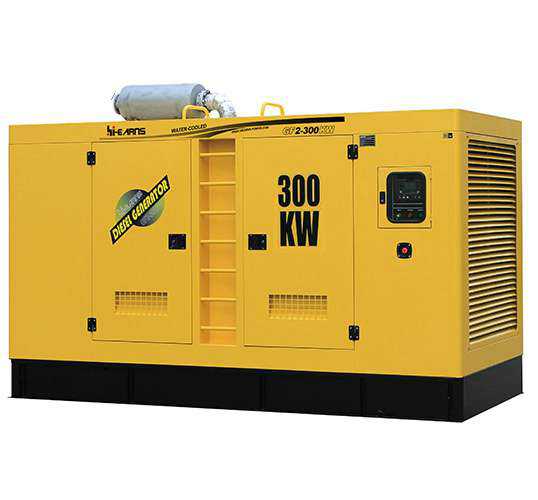
You need to pay close attention to the coolant in your water cooled diesel generator. Coolant does more than just keep the engine cool. It also protects metal parts from rust and scale. You should check the coolant level before every use. If the level drops, look for leaks right away.
Check the coolant concentration and condition every 250 operating hours. Use a refractometer or test strips for this task. The coolant pH should stay between 7.5 and 11.0. If the pH drops below this range, acid can form and cause corrosion inside the engine. The ASTM E70 standard recommends keeping pH between 7 and 11. Always avoid mixing different coolant types or using tap water, as this can damage the system.
You should flush the coolant every two years or after 500 hours of use. This removes old coolant and any buildup that could block the system. Replace the anode rod when it is about half used. The anode helps prevent corrosion inside the cooling system.
Maintenance Task | Frequency |
|---|---|
Coolant Flush | Every two years or 500 hours |
Anode Replacement | When about 50% consumed |
Tip: Always use the coolant recommended by your generator’s manufacturer for best results.
Overheating can cause serious engine damage. You can prevent this by following a few simple steps:
Check coolant levels often, especially during long runs.
Clean air filters and radiator fins to keep airflow strong.
Inspect hoses, belts, and thermostats for wear or leaks.
Proper cooling system care keeps your generator running efficiently. Clean coolant and a well-maintained radiator stop heat from building up. This prevents breakdowns and extends the life of your generator. Regular checks and flushing protect your investment and ensure your generator is always ready when you need it.
You need to change the engine oil and oil filter regularly to keep your generator running smoothly. Oil lubricates moving parts and removes heat. Old oil loses its ability to protect the engine. You should follow the manufacturer's schedule for oil changes. Most water cooled diesel generators require oil changes every 250 to 500 hours of operation or at least once a year, even if you do not use the generator often. Oil can degrade over time, so annual changes are important.
Here is a simple table to help you remember the intervals:
Interval | Required Tasks |
|---|---|
First 50 hours | Change engine oil; replace fuel-water separator, fuel filter, and oil filter |
Every 250 hours | Change engine oil; replace oil filter; clean air cleaner; drain water/sediment from fuel tank |
Every 1000 hours/Yearly | Change engine oil; clean inside of fuel tank; replace separator/fuel/oil filters; replace air filter elements |
Every 2000 hours/2 years | Change engine oil; change coolant; replace worn pipes and filters; replace air filter elements |
Tip: Always use the oil type recommended by your generator’s manufacturer. This protects the engine and keeps it running longer.
Fuel quality affects how well your generator performs. Contaminated fuel can cause big problems. Water in the fuel tank leads to corrosion and helps microbes grow. Microbial contamination forms sludge and clogs filters. Particles like rust and sediment damage fuel injectors and pumps.
You should inspect the fuel tank often. Look for signs of contamination, such as dark or hazy fuel, sludge, or debris. Drain water and sediment from the tank using the drain plug. Follow these steps:
Loosen the drain plug.
Drain until fuel flows.
Tighten the plug.
Loosen the air release bolt to bleed air.
Tighten the air release bolt.
If you notice frequent filter changes or inconsistent generator performance, check the fuel quality. Keep a backup fuel supply and test stored fuel for water and microbes. Clean tanks and replace filters as needed.
Note: Clean fuel keeps your generator reliable and prevents costly repairs. Regular checks help you avoid downtime and protect your investment.
You need to keep the air filter clean to protect your generator’s engine. Dirty air filters block airflow and cause poor combustion. You can follow these steps to clean or replace the air filter:
Turn off the engine and let it cool. Make sure you have good ventilation and gather your tools.
Find the air filter housing and remove the cover carefully.
Take out the old filter. Clean the housing so no dirt falls into the intake.
Put in the new filter. Secure the housing and check for a tight seal.
Tip: Check the air filter every week. Replace it if you see dirt, damage, or reduced airflow.
You must keep the battery in good condition to ensure your generator starts when you need it. Batteries lose power over time. You should test the battery voltage every week. Clean the terminals to remove any oxide buildup. Replace starting batteries every three years. Commercial generators may need new batteries every two to three years. Quarterly testing and annual load-transfer checks help you spot weak batteries early.
Test battery voltage weekly.
Clean terminals regularly.
Replace batteries every three years.
Perform load-transfer checks once a year.
Note: Regular battery maintenance prevents emergency failures and keeps your generator ready.
You should inspect electrical connections to prevent power loss and safety hazards. Look for loose wires, corrosion, or signs of overheating. Tighten connections and clean terminals. Run the generator under load each week. This helps you monitor performance and find electrical issues early. Check the control panel for alarms or unusual readings.
Task | Frequency |
|---|---|
Inspect connections | Monthly |
Run generator under load | Weekly |
Check control panel alarms | Weekly |
Callout: Running your generator regularly helps you spot electrical problems before they cause downtime.
You need to keep clear and accurate maintenance logs for your water cooled diesel generator. These records help you track every service, inspection, and repair. Good logs show you when you last changed the oil, checked the coolant, or replaced a filter. You can spot patterns and predict when the next service is due.
A simple maintenance log can look like this:
Date | Task Performed | Technician/Owner | Notes |
|---|---|---|---|
2024-06-01 | Changed engine oil | Owner | Used 15W-40 oil |
2024-06-08 | Checked coolant level | Owner | Level OK |
2024-06-15 | Replaced air filter | Technician | New filter installed |
Tip: Write down every maintenance action right after you finish it. This habit helps you avoid missing important steps.
You can use a notebook, a spreadsheet, or a digital app. Choose the method that works best for you. Make sure you store your logs in a safe place.
You must follow the maintenance standards set by the generator manufacturer and local regulations. These rules protect your equipment and keep you safe. Hi-earns water cooled diesel generators come with a manual that lists all required maintenance steps and intervals. Always read and follow these instructions.
Some areas have laws about generator maintenance. For example, hospitals and data centers must meet strict standards. You should check the rules for your location and type of use.
Note: Keeping good records and following standards can help you during inspections or warranty claims. You show proof that you took care of your generator.
When you keep accurate logs and follow all rules, you make sure your generator stays reliable and safe for years.
You can prevent most generator failures by following a regular maintenance routine. Many problems start small but grow into expensive repairs if you ignore them. The table below shows common issues you might face with a water cooled diesel generator, how to check for them, and what you can do to fix them:
Problem | What to Check | Solution |
|---|---|---|
Low Coolant | Expansion tank level; leaks at hoses/gaskets | Top up with correct mix; repair leaks |
Failed Thermostat | Both radiator hoses hot when at temperature | Replace thermostat and gasket |
Blocked Radiator | Fins for debris; internal scaling | Clean fins; flush system |
Water Pump Failure | Weep hole leakage; bearing noise or play | Replace pump and drive belt |
Block Heater Failure | Heater energized; element resistance | Replace heater element |
You should check coolant levels often. Look for leaks around hoses and gaskets during each service visit. Clean the radiator fins and exhaust pipes to keep airflow strong. These simple steps help you avoid overheating and engine damage. When you spot problems early, you save money and keep your generator running when you need it most.
Tip: A clean and well-maintained generator lasts longer and works better in emergencies.
Your generator will give you clues when something is wrong. You need to watch and listen for these signs. If you notice any of the following, act quickly to prevent bigger problems:
Overheating
Excessive vibration
Unusual noises
Starting difficulties
Abnormal exhaust smoke
Power output changes
Fluid leaks
If you see or hear any of these warning signs, stop the generator and inspect it right away. Quick action can prevent a small issue from turning into a costly breakdown. Regular checks and fast responses keep your water cooled diesel generator reliable and safe.
You can handle many routine maintenance tasks on your water cooled diesel generator. These jobs help you keep your generator in good shape and spot problems early. Here are some tasks you can do yourself:
Change the engine oil and oil filter
Replace the air filter
Clean the spark arrestor
Clean out the raw water strainer
Inspect the anode visually
Reset the generator after a soft fault
These tasks do not need special tools or advanced skills. You can follow the steps in your generator’s manual. Always use the recommended parts and fluids.
Some jobs fall in a gray area. You might replace the impeller, swap a fuel filter, or change a voltage regulator if you feel confident. If you are unsure, ask for help.
Tip: Always turn off the generator and let it cool before you start any maintenance.
Other tasks need a trained technician. These jobs require special knowledge and tools. You should call a professional for:
Exhaust mixing elbow work
Heat exchanger service
Control board diagnosis
Valve adjustments or carburetor rebuilds
Electrical diagnosis or fixing persistent fault codes
Trying these jobs without training can cause damage or safety risks.
You should call a professional when you see warning signs you cannot fix. If your generator shows persistent error codes, makes strange noises, or will not start, you need expert help. Call a technician for yearly inspections, deep system checks, or repairs to the exhaust, cooling, or electrical systems.
Note: Regular service by a professional keeps your generator safe and reliable. You protect your investment and ensure power when you need it most.
You can keep your water cooled diesel generator reliable by following a regular maintenance schedule. When you check fuel, oil, coolant, and electrical systems, you prevent costly breakdowns and extend the generator’s lifespan.
Regular maintenance lowers repair costs and reduces downtime.
Routine checks help you spot problems early and keep your power supply dependable.
Industry studies show that well-maintained generators last longer and perform better.
Stay consistent with your maintenance plan to protect your investment and ensure power when you need it.
You should check the coolant level before every use. This helps you spot leaks early and keeps your generator from overheating.
Always use the oil recommended in your generator’s manual. Hi-earns suggests high-quality diesel engine oil for best performance and longer engine life.
You can handle basic tasks like checking fluids and changing filters. For complex repairs or electrical work, you should call a trained technician.
Running your generator under load helps keep the engine and electrical parts in good shape. It also lets you find problems before they cause a breakdown.