



Hotline 0086-519-86239986

All News
Selecting the right cooling system for your diesel generator is crucial for ensuring optimal performance and reliability. In today’s market, the air cooled diesel generator stands out due to its straightforward design and cost-effectiveness. Air cooled diesel generators are especially well-suited for home backup power, small workshops, and portable applications. For instance, the Hi-earns air-cooled diesel generator delivers reliable power and effortless mobility, making it an excellent choice for a variety of needs. On the other hand, water-cooled generators are typically preferred in environments like hospitals or data centers, where continuous and robust power is essential. Refer to the table below to compare how each generator type matches different applications:
Generator Type | Common Applications |
|---|---|
Air-Cooled Diesel Generator | Residential backup, small workshops, mobile equipment |
Water-Cooled | Data centers, hospitals, large manufacturing facilities |
Air cooled generators are ideal for homes and small businesses due to their portability and ease of maintenance.
Water cooled generators are best for heavy-duty use in places like hospitals and factories, offering reliable power for long hours.
Consider your power needs and environment when choosing a generator type to ensure optimal performance.
Air cooled models are more cost-effective and easier to move, while water cooled models provide quieter and more durable operation.
Regular maintenance is crucial for both types to ensure longevity and efficiency.
You need to think about your power needs before choosing a generator. If you want a generator for your home, a small business, or outdoor events, an air cooled diesel generator can be a smart choice. It works well for moderate power needs and is easy to move. You can use it for backup power during storms or for tools in a workshop. You will find it simple to maintain and quick to set up.
If you need a generator for a hospital, data center, or a large factory, you should look at water-cooled models. These generators handle heavy loads and run for long hours without overheating. They work best in places where you need power all the time. You may need more space and a higher budget for these machines, but they offer quiet and steady performance.
Tip: Always match the generator type to your main use. This helps you get the best value and performance.
The table below shows the main differences between air cooled and water cooled diesel generators. You can use this as a quick guide when making your decision.
Aspect | Air-Cooled Generators | Water-Cooled Generators |
|---|---|---|
Cooling System | Uses fans for air flow; best for small to medium loads. | Uses coolant and pump; best for large, heavy-duty use. |
Lifespan | Runs at higher speeds; needs maintenance every 200-250 hours. | Runs at lower speeds; lasts up to 20,000-30,000 hours. |
Power Capacity | Handles moderate loads well. | Supports high loads and long operation. |
Cost | Lower price and simple upkeep. | Higher price and more complex care. |
Maintenance | Easy to clean and maintain. | Needs coolant checks and technical care. |
Noise | Louder due to fan. | Quieter because liquid absorbs sound. |
Portability | Light and easy to move. | Heavy and best for fixed spots. |
Installation | Quick and needs little space. | Needs more room for radiator and coolant. |
You can see that each type has its own strengths. Think about your main needs and use this table to help you choose the right generator.
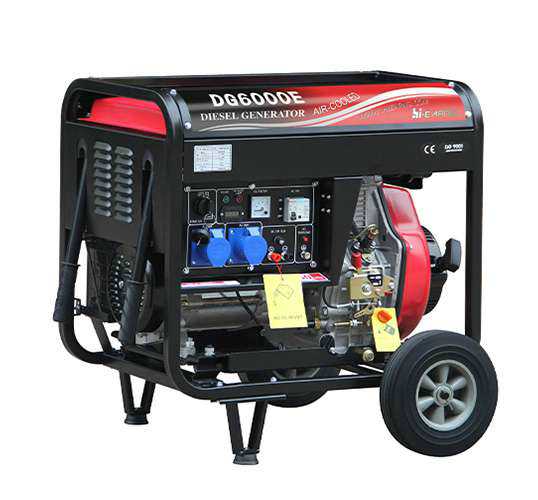
You will find that an air cooled diesel generator uses a simple method to keep the engine from overheating. The engine pushes large amounts of air over its surface. This moving air takes away the heat that builds up during operation. Unlike water-cooled systems, you do not need a liquid coolant or a radiator. The airflow comes from built-in fans that direct air across the engine’s hot parts. This design means you can start the generator quickly and get power in seconds, which is important during emergencies.
Note: Air cooling works best in moderate climates and for short or medium periods of use.
When you choose an air cooled diesel generator, you get several benefits:
You enjoy a simple design with fewer parts, which means less can go wrong.
You do not have to worry about coolant leaks or freezing in cold weather.
You can move the generator easily because it is lighter and more compact.
You spend less time and money on maintenance.
However, air cooling can be noisier than water cooling because of the airflow. It may also struggle in very hot weather or under heavy loads for long periods.
The Hi-earns Air-cooled Diesel Generator stands out for its high thermal efficiency and rapid startup. You get up to 12 hours of operation on a single tank, and the electric start system makes it easy to use. The big silent canopy and four wheels help you move it wherever you need power.
You should consider an air cooled diesel generator for these situations:
Application | Why It’s a Good Fit |
|---|---|
Home backup power | Quick setup, easy storage, reliable during outages |
Small businesses | Simple maintenance, cost-effective energy solution |
Outdoor events | Portable, quiet operation, easy to transport |
Remote locations | Works well in harsh environments, no coolant needed |
The Hi-earns Air-cooled Diesel Generator is a smart choice for homes, workshops, and outdoor activities. You get a dependable power source that is easy to maintain and move. This makes it ideal for anyone who values convenience and reliability.
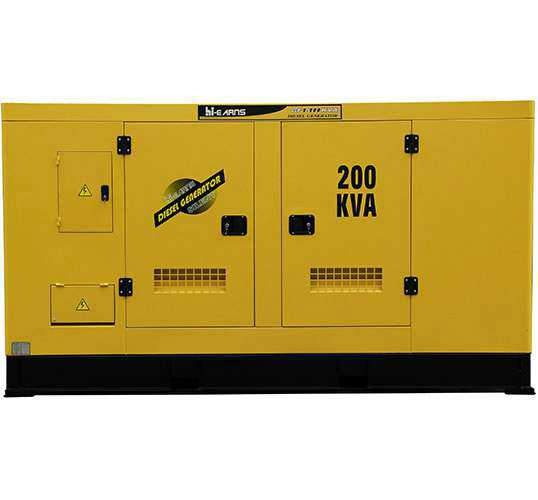
You will find that water cooled diesel generators use a liquid coolant to manage engine temperature. The process works in a cycle:
The coolant absorbs heat from the engine block and cylinder head.
The heated coolant moves through pipes to the radiator.
The radiator uses airflow to remove heat from the coolant.
The cooled liquid returns to the engine to repeat the process.
This system keeps the engine at a steady temperature, even during long or heavy use. Most water cooled generators use a closed-loop system. This means the coolant stays inside the system, which helps prevent leaks and keeps the liquid clean.
Component | Function | Maintenance Focus |
|---|---|---|
Radiator | Removes heat from the coolant using airflow | Clean fins, check for corrosion or blockages |
Coolant Pump | Moves coolant through the system | Inspect for leaks and proper operation |
Thermostat | Controls coolant flow for steady engine temperature | Test and replace if not working |
Water cooled generators offer strong advantages:
You get excellent thermal management. This allows the generator to run for long hours without overheating.
These generators provide reliable power in extreme weather or tough conditions.
You will need less frequent maintenance, usually every 500 hours.
Over time, you may save money on repairs and enjoy a longer engine life.
Many models use advanced technology to reduce emissions and meet strict standards.
However, water cooled generators cost more at the start. You also need to check coolant levels, clean the radiator, and inspect hoses and pumps. The extra care pays off with better performance and durability.
Tip: If you need power for long periods or in harsh environments, water cooled generators are a smart investment.
You should choose a water cooled diesel generator for heavy-duty or critical needs. These generators work best in:
Hospitals and healthcare centers
Data centers that need nonstop power
Large factories and manufacturing plants
Mining operations and remote construction sites
Telecom networks
These settings require steady, reliable power. Water cooled generators handle high loads and long hours, making them the top choice for demanding jobs.
You want your generator to stay cool, especially when you use it for long hours or heavy work. Water-cooled generators use a special coolant that moves through the engine. This coolant absorbs heat and keeps the engine at a steady temperature, even when you run the generator at high loads. Air cooled diesel generators use fans to blow air over the engine. This works well for short or medium use, but water-cooled systems handle heat better during tough jobs.
Water-cooled generators often last longer because they keep the engine cooler. Less heat means less wear on parts. You can expect a water cooled generator to run for many years, even with heavy use. Air cooled diesel generators are also reliable, but they may need more frequent checks if you use them for long periods.
You should choose your generator based on how much power you need. Air cooled diesel generators usually provide up to 22kW. This makes them great for homes, small businesses, and light commercial use. Water-cooled generators can handle much higher power, often above 25kW. They are the best choice for factories or places that need a lot of electricity all the time.
Feature | Air Cooled Diesel Generator | Water Cooled Generator |
|---|---|---|
Max Output | Up to 22kW | Over 25kW |
Best For | Homes, small businesses | Factories, hospitals |
You need to take care of your generator to keep it running well. Most air cooled diesel generators need oil and filter changes every 200 hours or once a year. For homes, yearly maintenance is enough. If you use your generator more often, like in a business, you should check it every few months. Water-cooled generators need you to check the coolant and radiator, but they can go longer between services.
Oil and filter change: every 200 hours or yearly
Home use: annual check
Business use: check every 3-6 months
Air cooled diesel generators are lighter and easier to move. Many models have wheels, so you can take them to different places. This makes them perfect for outdoor events or backup power at home. Water-cooled generators are heavier and usually stay in one spot. They run more quietly because the coolant helps absorb sound.
Tip: If you need a generator you can move easily, pick an air cooled diesel generator. If you want less noise and do not need to move it, a water-cooled model works well.
You want a generator that fits your home or small business. Start by measuring your space. This helps you know how much power you need. Make a list of all the important appliances and devices you want to keep running during an outage. Check the power ratings for each one. Add up the running watts and the surge watts. This tells you the size of the generator you need.
Here is a simple guide to help you:
Measure your home or business area.
List all critical appliances and devices.
Check the running and starting watts for each item.
Add the numbers to find your total power need.
You should also look for a generator with a reliable engine and good fuel efficiency. Features like electric start, digital control panels, and safety systems make operation easier. Always check if the generator meets EPA emission standards. This ensures safe and efficient use.
Tip: The Hi-earns Air-cooled Diesel Generator offers strong performance, easy mobility, and a quiet canopy. It works well for homes and small businesses.
You need a generator with more power for factories, hospitals, or large buildings. These places use heavy machines and need steady electricity. You should look at the type of work you do and the equipment you use.
Application Type | Typical Range | Critical Systems Supported |
|---|---|---|
Commercial | 20–150 kW | HVAC, POS, Basic lighting |
Industrial | 150–3000 kW | CNC machines, Compressors |
Think about these three things:
Continuous load: The power you need to run your equipment all the time.
Peak demand: The highest power you need when many machines start at once.
Surge capacity: The extra power needed for a short time when motors start.
Industrial generators come in different ratings. Standby units give backup power during emergencies. Prime rated generators handle changing workloads for long periods. Continuous rated generators supply power without stopping, which is important for hospitals.
Note: Water-cooled generators are best for heavy-duty use. They run longer and handle bigger loads.
You may need a generator you can move easily. Outdoor events, construction sites, and remote locations often need portable power. Air cooled diesel generators are lighter and have wheels. You can move them without much effort.
Look for these features:
Compact size and built-in wheels
Electric start for quick use
Quiet operation with a silent canopy
Long runtime on a single tank
The Hi-earns Air-cooled Diesel Generator is a good choice for outdoor events. You get up to 12 hours of power and easy transport.
Tip: Choose a generator that matches your event size and the number of devices you need to power.
You want to save money and reduce maintenance. Air cooled generators cost less to buy and install. They need maintenance every 250 hours. Water-cooled generators cost more at first and need service every 500 hours. They last longer and need less frequent care.
Aspect | Air-Cooled Generators | Water-Cooled Generators |
|---|---|---|
Initial Cost | Lower | 50–100% higher |
Installation Cost | Lower | About 30% higher |
Every 250 hours | Every 500 hours | |
Annual Maintenance Cost | Starting at $695 | Starting at $895 |
Lifespan | Shorter | Longer |
Water-cooled units cost more to buy and install.
Air-cooled units need more frequent checks but cost less.
Choose based on your budget and how often you want to do maintenance.
Before you buy a generator, review this checklist:
Calculate your total power needs (running and starting loads).
Decide if you need prime or standby power.
Check if you need single-phase or three-phase power.
Pick a generator with at least 10% more power than your needs.
Look for trusted brands and reliable safety features.
Choose the right enclosure for your space.
Make sure the fuel tank meets your runtime needs.
Check for easy-to-use control panels and auto start.
Confirm the generator meets EPA or local emission standards.
Remember: The best generator matches your power needs, space, and budget. Take your time to compare options and choose wisely.
You have learned the main differences between air cooled and water cooled diesel generators. Use the table below to compare key features:
Feature | Air-Cooled Generators | Water-Cooled Generators |
|---|---|---|
Cooling Efficiency | Fan-based | Radiator-based |
Durability | 1,000–3,000 hours | 60,000–90,000 hours |
Noise | Louder | Quieter |
Best Use | Light-duty | Heavy-duty, continuous |
To help you decide, follow this checklist:
Key Considerations | Description |
|---|---|
Load Assessment | List all appliances and add a 10–20% buffer. |
Key Features | Look for auto start, quiet canopy, and safety systems. |
Common Mistakes | Do not buy based only on price. Test under real load. |
You can choose a model like the Hi-earns Air-cooled Diesel Generator for reliable, portable power. Match your choice to your needs for the best results.
You will notice that air cooled generators use fans to move air over the engine. Water cooled generators use a liquid coolant and a radiator to control engine temperature.
Think about your power needs, location, and how often you use the generator. Air cooled models work well for homes and small businesses. Water cooled models suit heavy-duty or continuous use.
Air cooled generators can be louder than water cooled models. The fan and airflow create more noise. Many modern units, like the Hi-earns Air-cooled Diesel Generator, use silent canopies to reduce sound.
You need to check coolant levels, inspect hoses, and clean the radiator. Regular oil and filter changes are also important. Always follow the manufacturer’s maintenance schedule for best results.