



Hotline 0086-519-86239986

All News
Most homes need a diesel generator that offers between 5kW and 8kW for basic backup power. The Hi-earns Air-cooled Diesel Generator, with a rated power of 7.5kW and a maximum output of 8kW, fits the needs of many families. You should look at your household size, which appliances you want to run, and how much comfort you expect during an outage. Diesel generators stand out for their fuel efficiency, fast startup, and reliable performance.
Most homes need a diesel generator between 5kW and 8kW for basic backup power. Consider the Hi-earns Air-cooled Diesel Generator for reliable performance.
Decide if you want to power only essential appliances or your entire home. Essential appliances require 10,000 to 14,000 watts, while whole-house systems may need 20,000 to 26,000 watts.
Calculate your power needs by listing appliances, checking their wattage, and adding a safety margin of 15-20% to avoid overloads.
Choose a generator size based on your household size and appliance count. Larger homes with more appliances need bigger generators for comfort during outages.
Consult a professional if unsure about your power needs or local regulations. Expert advice can help you avoid costly mistakes and ensure safe installation.
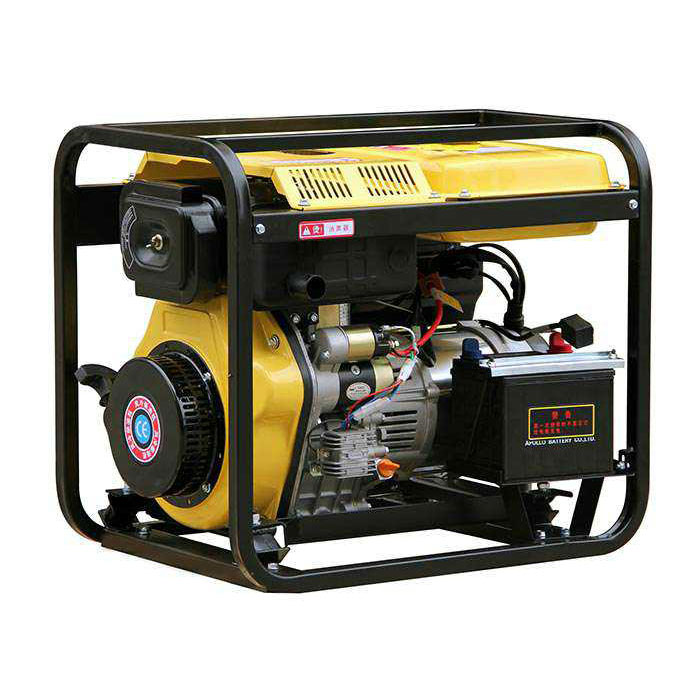
When you think about backup power, you need to decide if you want to run only the essentials or power your whole house. Essential appliances include your refrigerator, lights, and furnace fan. These items use most of your daily energy. In fact, refrigerators and HVAC systems account for about 60-70% of your home's energy use. The average American home uses about 30 kWh each day, which equals around 1,250 watts running all the time.
If you want to cover just the basics during an outage, you should look for a generator that provides between 10,000 and 14,000 watts. This size will keep your main appliances running smoothly. If you want to power your entire home, including larger appliances like electric ovens or central air conditioning, you may need a generator in the 20,000 to 26,000-watt range. During emergencies, most homes need between 3,000 and 7,500 watts for backup. Whole-house systems often require more than 10,000 watts.
Tip: Always check the starting watts for appliances with motors. These can need more power to start than to run.
The size of your home plays a big role in how much power you need. Larger homes have more rooms, more lights, and often more appliances. Use the table below to see how home size affects generator size:
Home Size (Square Feet) | Generator Size (Watts) |
|---|---|
Under 2,000 | 10,000 to 15,000 |
2,000 to 3,000 | 15,000 to 22,000 |
3,000 to 5,000 | 22,000 to 32,000 |
Over 5,000 | 36,000 or more |
A diesel generator can meet the needs of many homes, especially if you focus on essential appliances. Always match your generator size to your home's needs for the best results.
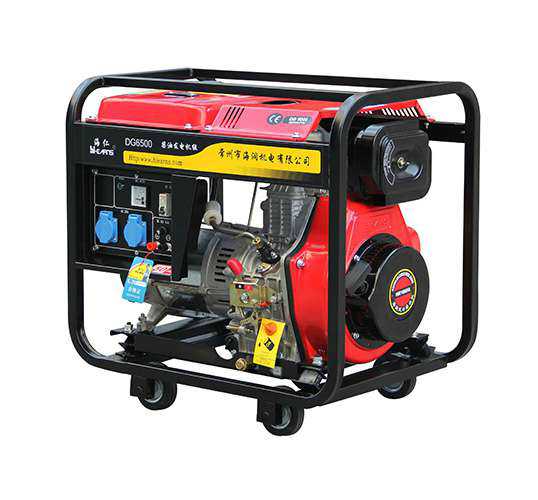
You need to know the common sizes before you choose a diesel generator for your home. Most people buy generators in the 5 to 30 kW range for residential use. These sizes cover everything from small homes to large properties. Market data shows that the most popular power ratings for home diesel generators fall into these groups:
0-100 Kva (about 0-80 kW)
100-250 Kva (about 80-200 kW)
350-1,000 Kva (about 280-800 kW)
Over 1,000 Kva (over 800 kW)
For most homes, you will find that a generator between 5 kW and 20 kW is enough. A medium-sized generator, such as the Hi-earns Air-cooled Diesel Generator with a rated power of 7.5 kW and a maximum output of 8 kW, works well for many families. This size can run your essential appliances and keep your home comfortable during an outage.
When you choose a diesel generator, you should think about what you want to power. If you only need to run the basics, a smaller unit will do. If you want to use air conditioning, electric ovens, or other high-demand appliances, you may need a larger generator. The number of appliances and your comfort level during an outage will help you decide the right size.
️ Tip: Choosing a generator that is too small can cause voltage problems and overloads. A generator that is too large may waste fuel and run less efficiently.
Many things affect the size of the diesel generator you need. You should look at your home, your appliances, and your local environment. Here are some key factors:
Household Size and Appliance Count: The more rooms and appliances you have, the more power you need. For example, a refrigerator uses 500 to 800 watts, ten light bulbs use 200 to 400 watts, and an air conditioner uses 1,000 to 1,500 watts. If you want to keep everything running, you need a bigger generator.
Comfort Level: If you want to use all your appliances during an outage, you need a larger generator. If you only want to power the basics, a smaller unit will work.
Home Size and Seasonal Needs: Larger homes or homes in hot or cold climates may need more power. You may need extra power for heating or cooling during certain times of the year.
Environmental Factors: Temperature and altitude can change how well your generator works. High temperatures can make the engine overheat. High altitudes can reduce the power output because there is less oxygen. Dust and humidity also affect maintenance and performance.
Environmental Factor | Impact on Performance |
|---|---|
Temperature | High temperatures can cause the engine to overheat, reducing efficiency. |
Altitude | Higher altitudes may reduce oxygen availability, affecting combustion and power generation. |
Efficiency: Diesel generators are known for their high efficiency. They use less fuel to make the same amount of power compared to gas generators. This means you save money on fuel and get more reliable power.
Lifespan and Maintenance: A diesel generator can last between 10,000 and 30,000 hours, or about 20 to 25 years, if you take care of it. Maintenance costs can range from $10,000 to $32,000 over the life of the generator.
Local Regulations: You may need permits to install a diesel generator. Some places require special inspections, fuel storage rules, and air quality permits, especially for larger units.
Aspect | Details |
|---|---|
On-site fuel autonomy | Many areas require enough fuel for emergencies. |
Permitting requirements | You may need electrical and construction permits. |
Special inspections | Some systems need inspections to meet safety codes. |
Air quality permits | Larger generators may need extra permits. |
Environmental Considerations: Modern diesel generators use clean diesel technology to reduce emissions. You should install your generator outdoors in a well-ventilated area for safety.
You should always match your generator size to your home's needs. Think about your appliances, comfort, and local rules. The Hi-earns Air-cooled Diesel Generator is a great example for medium homes, offering reliable and efficient power.
You need to know how much power your appliances use before you choose a generator. Each device in your home has a different wattage. Some appliances run all day, while others only turn on for short periods. The table below shows common household appliances and their typical power consumption:
Appliance | Wattage range (Watts) | Notes |
|---|---|---|
Refrigerator | 100–800 | Runs 24/7; average use is lower due to cycling on and off |
Air conditioner | 500–3,500 | Central AC uses the most; higher in hot climates |
Washing machine | 400–1,400 | Uses more energy if connected to hot water |
Microwave | 600–1,200 | Used for short periods |
Electric oven | 2,000–5,000 | High demand when in use |
Lights (10 bulbs) | 200–400 | Depends on bulb type and usage |
TV | 50–400 | Varies by size and model |
Computer | 50–300 | Includes monitor |
Sump pump | 800–1,500 | Essential during storms |
Well pump | 1,000–2,000 | Needed for homes with wells |
Tip: Always check the label or manual for the exact wattage of your appliances. Some devices need more power to start than to run.
You can calculate your total power needs with a simple method. Follow these steps to find out how much power your home requires:
Make a list of all the appliances you want to run during an outage.
Find the power rating (watts) for each appliance. Look at the data plate or owner's manual.
Estimate how many hours each appliance will run each day.
Multiply the wattage by the hours used to get daily energy consumption for each appliance.
Add up all the daily energy values to get your total daily energy use.
Convert the total to kilowatt-hours (kWh) by dividing by 1,000.
Identify your peak load. Add the wattage of appliances that may run at the same time.
Add a safety margin of 15-20% to your peak load to cover unexpected needs.
For example, if you have five bulbs at 10 watts each and use them for six hours, the calculation is:10W × 6h × 5 bulbs = 300Wh
Repeat this for all appliances and sum the values. This gives you your total daily energy use.
Note: Appliances with motors, like refrigerators and air conditioners, need extra power to start. Starting currents can be five to seven times higher than running watts. If you plan to run several appliances at once, add their starting watts together for your peak load.
Electric motors present two challenges. They draw high starting currents and operate at a low power factor. When a motor starts, it can demand much more power for a few seconds. If your generator is not sized for these peaks, lights may flicker and electronics may reset. You can use soft starters or stagger appliance startup to reduce the load.
You should always include a safety margin when sizing your generator. This margin helps you handle unexpected loads and keeps your generator running smoothly. Most experts recommend a safety margin of 15-20% above your calculated peak load.
A safety margin protects your generator from overload.
It ensures reliable operation during sudden power surges.
It gives you peace of mind during emergencies.
You can choose your comfort level based on your needs:
Minimum comfort: Power only essential appliances like refrigerator, lights, and sump pump.
Optimal comfort: Add devices for connectivity, such as computer and internet modem, plus a few extra lights.
Maximum comfort: Run most appliances, including air conditioning, oven, and entertainment systems.
You do not need to power every appliance at once. Think about which devices matter most during an outage. Consider how often you use your generator and which appliances you need for daily life. You can use online calculators to help estimate your power needs. These tools let you enter appliance wattage, account for starting watts, and add a safety margin. They give you a quick answer and help you choose the right diesel generator for your home.
Tip: Plan for future needs. If you might add new appliances or expand your home, choose a generator with extra capacity.
Choosing the right diesel generator size can feel confusing. You want to make sure your generator works well and keeps your home safe. Here are some common mistakes you should avoid:
Ignoring the starting wattage for appliances like refrigerators and air conditioners. These need more power to start than to run.
Adding up all appliance wattages without thinking about which ones run at the same time. This can make you buy a generator that is too big.
Picking a generator that is too small. This can cause overloads and shut down important systems.
Buying a generator that is too large. Oversized units waste fuel and cost more to run.
Forgetting about proper placement. Placing a generator in a flood-prone area or near windows can be dangerous.
Underestimating the work needed for installation. Mistakes here can lead to extra costs and safety risks.
Not calculating your true electrical load. This can leave you without enough power during an outage.
️ Tip: Always list every appliance you want to power and check both running and starting wattage. Add a 10-20% buffer for safety.
Sometimes, you may not feel sure about your power needs. In these cases, talking to a professional can help you avoid problems. You should consider expert advice if:
You feel unsure about which appliances are essential.
You need help calculating your total power needs or peak demand.
You want to make sure your generator meets local codes and safety rules.
You want a load analysis to get the most accurate generator size.
You want to avoid installation mistakes and costly repairs.
A professional can help you choose the right generator, set it up safely, and keep your home running smoothly during outages. You get peace of mind knowing your system will work when you need it most.
You can determine the right diesel generator size by following these steps:
List essential appliances.
Check each appliance’s wattage.
Include startup power.
Add a safety margin.
Accurate calculation prevents overloading and fuel waste, as shown below:
Issue | Consequence |
|---|---|
Generator Overloading | Overheating and equipment damage |
Fuel Wastage | Higher fuel costs |
The Hi-earns Air-cooled Diesel Generator delivers stable power, low noise, and high user satisfaction. Plan for future needs and consult a professional for best results.
You list all appliances you want to power. You check their wattage. You add up the total. You include starting watts and a safety margin. This gives you the generator size you need.
You can run most window or split air conditioners with a 7.5kW generator. Central air systems may need more power. Always check your AC’s starting and running wattage.
Rated Output | Maximum Output |
|---|---|
Continuous power you can use safely | Highest power for short bursts |
You should use the rated output for daily needs.
Most diesel generators, like the Hi-earns Air-cooled model, can run up to 12 hours on a full tank. You should check the manual for exact limits and allow cooling breaks.
You may need electrical and construction permits. Some areas require inspections and fuel storage rules. Always check local regulations before installation.