




Hotline 0086-519-86239986

All News
You need the right diesel generator to keep your workplace running when you face power interruptions. Start by checking how much power your equipment needs. Look for a model that matches your requirements and offers strong fuel efficiency. Think about features like easy start, safety systems, and portability. A trusted brand like Hi-earns gives you reliable solutions for temporary electricity needs.
Calculate your power needs by listing all equipment and their wattage. This ensures you choose a generator that can handle your workplace demands.
Select a diesel generator for its fuel efficiency and reliability. Diesel generators use less fuel and require less maintenance than gasoline models.
Consider the type of generator that fits your needs. Portable generators offer flexibility, while standby generators provide automatic power during outages.
Prioritize safety features like emergency shutdown systems and noise reduction. These features protect your workplace and comply with regulations.
Regular maintenance is crucial. Schedule routine checks to keep your generator running smoothly and avoid costly breakdowns.
You need to know how much power your workplace uses before you choose a diesel generator. Start by making a list of every tool and machine that will need electricity. Write down both the running watts and the starting watts for each item. Running watts show how much power the equipment uses when it is working. Starting watts show how much power it needs when it turns on. Some machines, like motors and pumps, use more power at startup. Add up all the running watts and starting watts to get your total wattage. Always include a safety margin so your generator can handle peak demands. This step helps you avoid delays and budget problems during your project.
Tip: A thorough load calculation keeps your workplace running smoothly and prevents unexpected shutdowns.
You must decide which equipment is most important during a power outage. Not every machine needs backup power. Focus on the tools and systems that keep your workplace safe and productive. Here is a table showing common types of essential equipment and why they matter:
Equipment Type | Importance |
|---|---|
Life-support systems | Critical for patient survival in healthcare settings. |
Surgical equipment | Essential for performing operations without interruption. |
Patient monitoring devices | Necessary for tracking vital signs and ensuring patient safety. |
Data servers | Vital for maintaining data integrity and preventing loss during outages. |
Climate control systems | Prevents overheating of sensitive equipment in data centers. |
Security cameras | Ensures safety and security measures remain operational during power outages. |
Production machinery | Keeps assembly lines and manufacturing processes running smoothly to avoid financial losses. |
You should review your workplace and pick the equipment that must stay on. This helps you match the right diesel generator to your needs.
You must plan for times when your workplace uses the most power. Professionals follow a few steps to make sure the generator can handle peak loads:
Step | Description |
|---|---|
1 | List all equipment needing backup power, noting running and starting wattage. |
2 | Calculate total kilowatts (kW) required for simultaneous operation. |
3 | Determine if the building uses single-phase or three-phase power and its voltage. |
4 | Ensure the generator can handle both initial surge and continuous load. |
If you underestimate your power needs, you risk several problems:
The generator may shut down or malfunction.
Your appliances and equipment could get damaged.
You might face repeated outages and lose heat during emergencies.
The generator’s life may get shorter because it works too hard.
Choosing the right size diesel generator protects your workplace and keeps everything running safely. You can ask a professional to help with the assessment. This ensures you match the generator size to your actual usage.
You want a power source that works when you need it most. A diesel generator gives you unmatched reliability in tough situations. Many workplaces choose diesel over gasoline for several reasons:
Diesel generators use less fuel for the same amount of power.
They last longer and handle heavy workloads.
You spend less time and money on maintenance.
They work well in demanding environments and during emergencies.
Here is a quick comparison to help you see the benefits:
Advantage | Diesel Generators | Gasoline Generators |
|---|---|---|
Power Output | More powerful | Less powerful |
Maintenance | Less maintenance needed | More maintenance |
Efficiency | Higher efficiency, less fuel used | Lower efficiency |
Safety | Less combustible, safer to store | More combustible |
A diesel generator delivers dependable performance when utility power fails. You can trust it to keep your workplace running.
You must store diesel fuel safely to protect your team and equipment. Diesel is less flammable than gasoline, which makes it safer for workplace storage. Always use approved containers and keep them in a cool, dry place away from direct sunlight. Label all fuel containers clearly. Check for leaks or damage before each use.
Tip: Store diesel fuel in a well-ventilated area and away from ignition sources to reduce fire risk.
You should also plan for how much fuel you need. For example, a generator with 10–15 kW power uses about 2–3 liters of diesel per hour. Larger units use more fuel. Here is a table to help you estimate fuel needs:
Generator Power (kW) | Fuel Consumption (L/h) |
|---|---|
3–5 | 1–1.5 |
10–15 | 2–3 |
30–50 | 6–10 |
100+ | Up to 20 or more |
Proper storage and planning help you avoid running out of fuel during critical times.
A diesel generator stands out for its fuel efficiency. Diesel engines use less fuel per kilowatt-hour than gasoline or natural gas engines. For example, many diesel generators consume between 0.2 and 0.4 liters of fuel for each kilowatt-hour produced. This means you get more power for every liter of fuel.
Diesel engines achieve higher thermal efficiency because of their design.
They are ideal for projects that need long hours of operation and high fuel efficiency.
Lower fuel use means lower operational costs over time.
However, you should also think about the environment. Diesel generators release pollutants like nitrogen oxides and particulate matter. These emissions can affect air quality and health. Reducing emissions helps protect your team and the community. Many modern generators, like those from Hi-earns, use advanced muffler designs to lower noise and emissions.
Note: Choosing a fuel-efficient and low-emission generator supports both your budget and workplace safety.
By understanding fuel efficiency and safety, you can make the best choice for your temporary power needs.
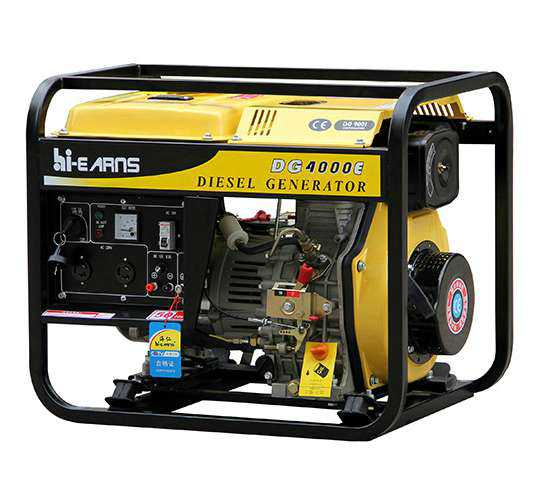
You have two main choices for temporary workplace power: portable generators and standby generators. Each type serves a different purpose. Portable generators are smaller and easy to move. You store them in a garage or shed and wheel them outside when needed. They power a few appliances or connect to your electrical panel for bigger tasks. Standby generators are larger and installed permanently. They turn on automatically and supply power to everything in your workplace. Portable generators cost less and work well for critical needs. Standby units offer more power but require a bigger investment.
Portable generators need manual setup and are best for short-term use.
Standby generators provide automatic backup and suit long-term needs.
Portable models are noisier and less powerful but cheaper to buy and install.
Standby units handle larger loads and keep your workplace running without interruption.
You want a generator that fits your worksite. Portable models give you flexibility. You can move them where power is needed most. Features like wheels and handles make transport easy. The Hi-earns Air-cooled Diesel Generator has four wheels and a big silent canopy. You roll it to different locations and enjoy quieter operation. This design helps you reduce noise and protect your team. You can use portable generators for outdoor events, construction sites, or emergency backup.
Tip: Choose a generator with mobility features if your workplace changes locations often.
You must match the generator type to your specific needs. Consider the size of your workplace and the power requirements. Use the table below to help you decide:
Feature | Description |
|---|---|
Power Requirements | Match generator size to your business needs, from small offices to large restaurants. |
Fuel Types | Diesel is efficient for high power needs and long operation hours. |
Generator Type | Stand-alone generators offer reliability and work well in emergencies for commercial use. |
You get the best results when you choose a generator that fits your power needs and worksite demands. A diesel generator with mobility and noise reduction features gives you reliable power and flexibility.
You want a generator that starts quickly and keeps your workplace safe. Modern generators use advanced start systems and controls to make this possible. Many models now include electric start systems, which let you power up with the push of a button. Digital panels show you important information, such as voltage, fuel level, and alerts. These features help you monitor performance and spot problems early.
Here is a table showing important control features:
Feature | Description |
|---|---|
Sensor Feedback and Regulation | Monitors temperature, speed, and oil pressure to keep the generator running safely. |
Emergency Shutdown | Shuts down the generator if it detects dangerous conditions. |
Integration with Automatic Transfer Switch (ATS) | Starts the generator automatically during a power outage. |
Power Outage Detection | Senses when the main power fails and signals the generator to start. |
Seamless Power Transition | Switches to generator power smoothly, so your equipment keeps running. |
Tip: Choose a generator with a digital control panel and emergency shutdown for better safety and ease of use.
Noise and emissions matter in every workplace. You want a generator that runs quietly and meets local rules. Many new generators use soundproof enclosures and special mufflers to lower noise. For example, silent operation models can run at 65–75 dB(A), which is much quieter than older units.
Application Type | Typical Noise Levels (dB) | Regulatory Standards (dB) |
|---|---|---|
Residential Backup Power | 60-70 | 55-65 (daytime) |
Industrial Generators | 85-110+ | 85 (workplace limit) |
General Diesel Generators | 70-85 | Varies |
Advanced acoustic engineering blocks noise while keeping the engine efficient. Many generators also meet strict emission standards, which helps protect the environment and your team.
Safety features protect you and your workplace. Look for these important elements:
Soundproof enclosures to reduce noise and meet regulations.
dB ratings to ensure the generator operates within safe noise levels.
Emission controls to meet current environmental standards.
You must also follow workplace safety rules. Here is a table of key regulatory bodies and their focus areas:
Regulatory Body | Key Focus Areas |
|---|---|
OSHA | Electrical safety, proper grounding, compliance with workplace codes |
NFPA | Emergency power system standards, National Electrical Code (NEC) |
EPA | Emissions regulations, Tier 4 Final Standards |
ISO | Global standards for generator manufacturing and use |
Note: Always size your generator correctly, place it outdoors with good ventilation, and follow safe fueling practices.
A diesel generator with these features gives you reliable, safe, and quiet power for your workplace.
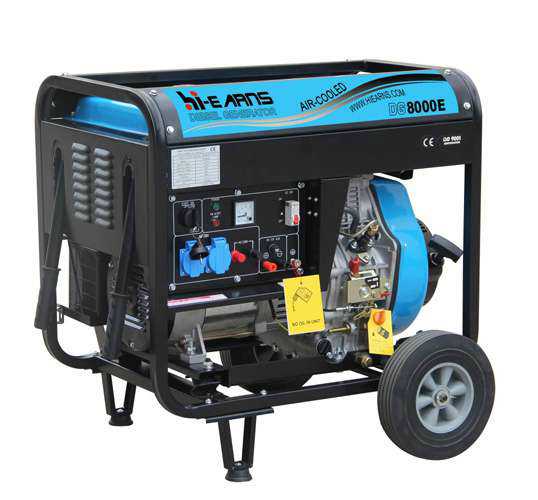
You must prepare your site before installing a diesel generator. Follow these steps for a safe and efficient setup:
Choose a location close to your main electrical load. Check for noise rules and make sure the area is easy to reach for maintenance.
Build a strong, level foundation. Use reinforced concrete to keep the generator stable and reduce vibration.
Plan for good airflow. Leave enough space for air intake and exhaust so the generator does not overheat.
Set up proper grounding and connect cables safely. Secure all fuel lines to prevent leaks.
Make the site secure. Use fencing, good lighting, and allow space for service vehicles.
Tip: Always check local rules and get the right permits before installation.
Regular maintenance keeps your generator running when you need it. Use this table to plan your checks:
Maintenance Type | Frequency | Purpose | Tasks |
|---|---|---|---|
A-Check | Daily | Quick inspection for safe operation | Check oil, coolant, fuel; Inspect battery; Look for leaks |
B-Check | Every 500 hours | Routine part and fluid changes | Do A-Check tasks; Change oil and filters; Service fuel-water separator |
C-Check | 1500-5000 hours | Deep inspection and replacements | Do B-Check tasks; Replace air filters; Adjust tappets |
D-Check | 5000+ hours | Full overhaul | Dismantle engine; Service parts; Replace piston rings if needed |
You should also:
Run the generator weekly to keep it ready.
Check the control panel for alerts.
Top off fluids every month.
Schedule a professional check at least once a year.
If you skip maintenance, you risk overheating, engine wear, fuel waste, and even legal trouble from emissions.
Many people make mistakes when choosing or using a generator. Avoid these common errors:
Picking the wrong size. Always match the generator to your power needs.
Ignoring site and fuel needs. Check your location and fuel type for best results.
Skipping a professional load analysis. Get an expert to check your power use.
Forgetting local codes and permits. Follow all rules to avoid fines.
Neglecting regular checks. Missed maintenance leads to breakdowns and high costs.
Note: Meeting legal requirements is important. You may need special permits, noise control, and emission checks before you use your generator.
A well-installed and maintained diesel generator gives you safe, reliable power for your workplace.
Choosing the right diesel generator for your workplace involves several key steps. You need to assess your power needs, check fuel efficiency, and review important features. Safety, compliance, and regular maintenance should always come first. Recent case studies highlight the role of generators in project timelines and environmental discussions:
Key Takeaway | Description |
|---|---|
Expediency in projects | Generators help meet deadlines and reduce costs. |
Environmental considerations | Ongoing discussions focus on their impact in temporary settings. |
You can benefit from professional advice and trusted brands like Hi-earns for the best results.
You should add up the wattage of all equipment you want to power. Always include a safety margin. If you feel unsure, ask a professional for help.
Never use a diesel generator indoors. Diesel engines produce harmful gases. Always place your generator outside in a well-ventilated area.
You should check your generator before each use. Perform basic maintenance every 500 hours. Schedule a full inspection at least once a year.
Look for features like emergency shutdown, circuit breakers, and oil warning lights. These features help protect you and your equipment from harm.