




Hotline 0086-519-86239986

All News
You will find the main difference between a diesel water pump and a gasoline water pump in the type of fuel they use. Your choice matters because the right pump can make your job easier and more efficient. Hi-earns stands out as a trusted brand. Their diesel water pump offers high performance and strong durability. If you want to know what sets these pumps apart, focus on their unique features and how they fit your needs.
Diesel water pumps use diesel fuel, offering higher efficiency and safety, while gasoline pumps use gasoline and are lighter and easier to move.
Diesel pumps provide more power and torque, making them ideal for heavy-duty tasks like irrigation and construction, while gasoline pumps suit lighter jobs and home use.
Diesel pumps require regular maintenance but last longer, while gasoline pumps need less upkeep but have a shorter lifespan.
Diesel pumps cost more upfront but save fuel over time, while gasoline pumps are cheaper to buy and operate for occasional use.
Diesel pumps produce fewer emissions and are more durable, while gasoline pumps are quieter and better for residential areas.
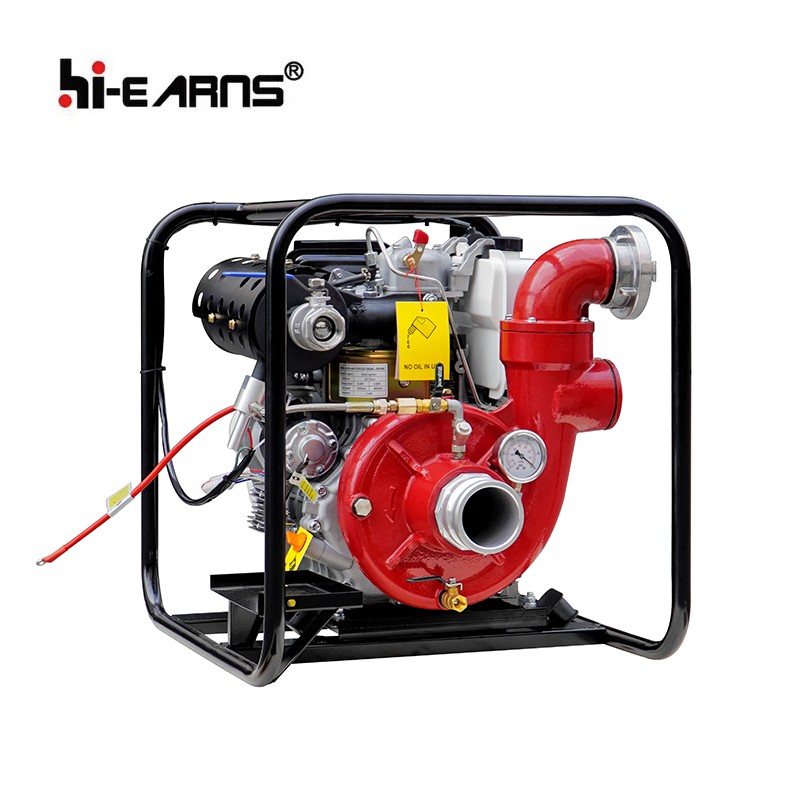
You will notice the main difference between these pumps in the fuel they use. Diesel water pumps run on diesel, while gasoline water pumps use gasoline. Diesel has a higher flash point, which means it is less likely to catch fire. This makes diesel pumps safer in some work environments. Gasoline, on the other hand, ignites more easily. You should always choose the right fuel type for your safety and the job at hand.
Diesel water pumps stand out for their efficiency. Diesel fuel contains more energy per liter than gasoline. Here is a quick comparison:
Diesel fuel energy density: 36.9 MJ/L
Gasoline fuel energy density: 33.7 MJ/L
Diesel’s higher energy density means you use less fuel to get the same power.
You will save fuel with a diesel water pump, especially during long jobs. Gasoline pumps may use more fuel for the same amount of work.
Diesel engines give you more torque at lower speeds. This is important for water pumps because they need steady power to move water.
Understanding the torque curve of a diesel engine helps in predicting pump performance. Water pumps require a steady load, which fits the 'flat' torque curve of a diesel engine. Verify that the engine’s peak torque aligns with the pump’s most efficient operating speed.
Diesel engines generate higher torque at lower revolutions compared to gasoline engines.
High torque is essential for priming large pumps.
Diesel engines maintain consistent water pressure, making them preferable for water pumping applications.
If you need to move a lot of water or work with high pressure, a diesel water pump like the Hi-earns DP30DHCI model will serve you well.
You must keep up with maintenance to ensure your pump works well. Diesel water pumps need regular checks and service. Here are some important points:
Drain and replace coolant every two years for diesel pumps.
Inspect diesel pumps every 2,000 hours of service.
Diesel pumps can last 8,000 to 10,000 hours with proper care.
Common issues include freeze damage, coolant problems, and leaks. You should check coolant levels, inspect belts, and fix overheating quickly. Gasoline pumps often need less maintenance, but you should still check them often.
When you look at costs, you will see differences in both purchase price and operation. Diesel water pumps usually cost more to buy. They also have higher operating costs because diesel fuel prices can change and maintenance can be more involved.
Diesel pumps consume less fuel, leading to cost savings and improved operational efficiency.
Gasoline engines generally have lower maintenance costs and fewer routine maintenance requirements compared to diesel engines, resulting in lower overall operating costs over five years.
Diesel agricultural water pumps incur annual operating costs around $13,336, while electric pumps cost about $5,620 per year, indicating significant savings. Although gasoline pump costs are not detailed, diesel pumps are known for higher operating costs due to fuel price volatility and maintenance demands.
Empirical data shows average annual operating costs for diesel pumps around $13,182, leading to approximately $66,000 in operating expenses over five years, suggesting that gasoline pumps are typically less expensive to operate.
You should consider both the upfront and long-term costs before making a choice.
Diesel water pumps are built for tough jobs. Hi-earns uses strong materials like cast iron and aluminum alloy. These pumps can handle rough conditions and last for many years. You will find that diesel pumps often outlast gasoline pumps, especially in heavy-duty work. If you need a pump for long-term use, diesel is a smart choice.
Noise matters, especially if you work near homes or in quiet areas. Diesel engines are usually louder than gasoline engines. Here is a table to help you compare noise levels:
Pump Model | Noise Level (dB) | Suitability for Residential Use |
|---|---|---|
Myers V2 Series | 80-82 | Moderate (loud) |
Myers XL Premium | 78-80 | Good (quieter) |
Myers CT 25 | 60-70 | Best (quiet) |
Competitors | >60 | Varies (generally louder) |
If you need a quiet pump, gasoline models may be better for you. For farms or construction sites, noise may not be a big concern.
You should match the pump to your job. Diesel water pumps work best for heavy-duty tasks like farm irrigation, construction site dewatering, and emergency situations. Hi-earns offers models with self-priming and high-pressure features, making them ideal for these uses. Gasoline water pumps are lighter and easier to move. They fit smaller jobs, home use, or places where you need to move the pump often.
Hi-earns has built a strong reputation since 2005. Their diesel water pump models, like the DP30E and DP30HCIE, offer reliable performance for many needs. You can trust Hi-earns for quality and durability.
You should always think about fuel efficiency when choosing a water pump. Diesel engines use fuel more efficiently than gasoline engines. This means you can run a diesel water pump for longer periods without refueling as often. Diesel fuel has more energy per liter, so you get more work done with less fuel.
Here is a table that shows how diesel and gasoline engines compare in real-world efficiency:
Engine Type | Typical Ideal Efficiency (%) | Real-World Efficiency Range (%) | Notes |
|---|---|---|---|
Diesel | 30-40 | 15-20 | Better for small engines; more robust for long jobs |
Gasoline | 25-30 | ~10 | Varies a lot; less efficient for small engines |
You will notice that diesel engines keep their efficiency even during long jobs. Gasoline engines lose efficiency faster, especially if you use them for heavy work.
Performance matters most when you need to move large amounts of water or work under high pressure. Diesel water pumps deliver steady power and high torque at low speeds. This makes them perfect for tough jobs like irrigation or construction.
Hi-earns diesel water pumps stand out because of their self-priming capability. You do not need to fill the pump with water before starting. This saves you time and effort, especially in emergencies. Some Hi-earns models also offer high-pressure features, which help you move water over long distances or to higher places.
Here is a quick look at how diesel and gasoline pumps perform under high pressure:
Pump Type | Performance Under High Pressure |
|---|---|
Diesel Pumps | Durable, fuel-efficient, ideal for heavy-duty applications, perform well under sustained high-pressure conditions. |
Gasoline Pumps | Designed for lighter, lower-pressure applications, can be used for high-pressure tasks but not as effectively as diesel pumps. |
You should choose a diesel water pump if you need reliable performance for demanding tasks.
You want a pump that lasts. Diesel water pumps need regular maintenance, but they reward you with a long service life. You should check coolant levels, inspect belts, and fix leaks quickly. With proper care, a diesel water pump can last up to 10,000 hours.
Hi-earns builds their pumps with strong materials like cast iron and aluminum alloy. This makes them tough and able to handle rough conditions. The self-priming feature also reduces wear and tear, since you do not need to run the pump dry.
Gasoline pumps usually need less maintenance, but they may not last as long if you use them for heavy work. If you want a pump for long-term, heavy-duty use, diesel is the better choice.
Cost plays a big role in your decision. Diesel water pumps often cost more to buy. You may also spend more on maintenance and repairs. However, diesel pumps use less fuel, which can save you money over time if you use the pump often.
Gasoline pumps cost less upfront and are cheaper to maintain. They work well for light jobs or if you only use the pump sometimes. If you need a pump for daily or heavy-duty work, the higher cost of a diesel water pump can pay off in the long run.
You should also think about the environment. Diesel water pumps produce fewer emissions than gasoline pumps, even though they have more power. This means you can get strong performance with less impact on the air.
Here is a table that compares emissions:
Factor | Gasoline Water Pumps | Diesel Water Pumps |
|---|---|---|
Emissions | Higher emissions, more environmental impact | Lower emissions despite higher power |
If you want to reduce your environmental footprint, diesel water pumps are a smart choice.
You should match the pump to your needs. Diesel water pumps work best for heavy-duty jobs like farm irrigation, construction site dewatering, and emergency water removal. Hi-earns offers models with self-priming and high-pressure features, making them ideal for these tasks.
Gasoline pumps are lighter and easier to move. You can use them for small jobs, home gardens, or when you need to move the pump from place to place. If you need a pump for tough, long-lasting work, choose a diesel water pump. If you want something portable for light tasks, a gasoline pump may suit you better.
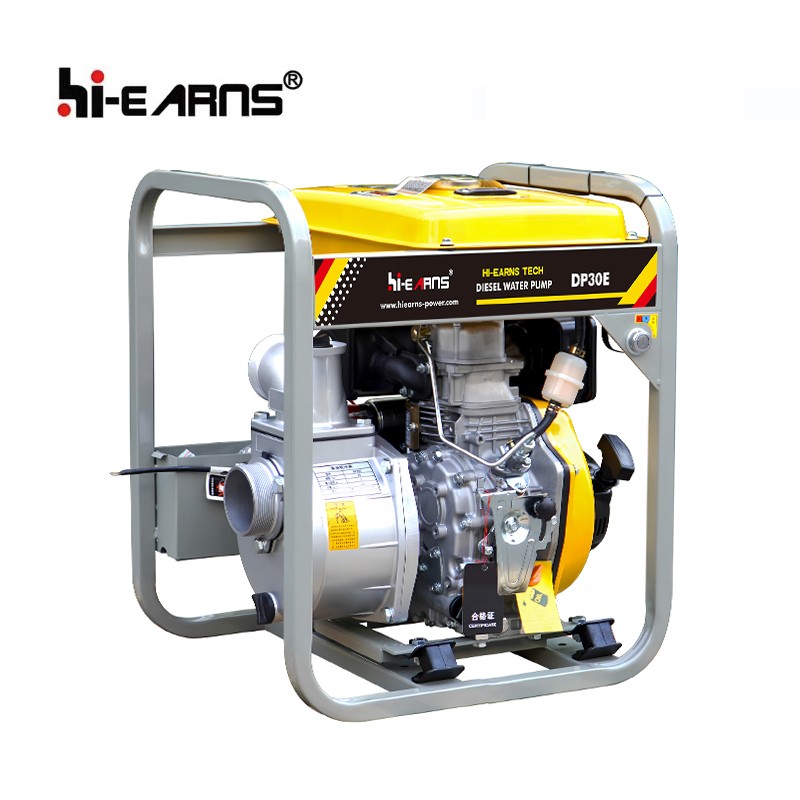
You will find many benefits when you choose a diesel water pump. Here are some key advantages:
High Efficiency: Diesel engines use fuel more efficiently. You get more work done with less fuel.
Strong Power Output: Diesel pumps deliver steady power and high torque. This helps you move large amounts of water, even in tough conditions.
Long Lifespan: Diesel water pumps last a long time. With proper care, you can use them for thousands of hours.
Durability: Manufacturers build diesel pumps with strong materials like cast iron and aluminum alloy. These pumps handle rough jobs and harsh environments.
Self-Priming Feature: Many diesel pumps, like those from Hi-earns, have self-priming capability. You can start pumping water quickly without extra steps.
Lower Emissions: Diesel engines produce fewer emissions compared to gasoline engines. You help protect the environment while working efficiently.
Tip: If you need a pump for heavy-duty tasks, a diesel water pump gives you the reliability and strength you want.
You should also know about some challenges when using diesel water pumps:
Higher Initial Cost: Diesel water pumps usually cost more to buy than gasoline pumps.
Regular Maintenance Needed: You must check and service your diesel pump often. This keeps it running well and extends its life.
Heavier Weight: Diesel pumps weigh more. You may find them harder to move from place to place.
Louder Operation: Diesel engines make more noise. This can be a concern if you work near homes or in quiet areas.
Fuel Price Fluctuations: Diesel fuel prices can change. This affects your operating costs.
Note: You should weigh these disadvantages against the benefits. Think about your needs before making a decision.
You will find several benefits when you use a gasoline water pump. Gasoline pumps are popular for their portability and ease of use. You can move them easily because they weigh less than diesel pumps. This makes them a good choice for jobs where you need to carry the pump from place to place.
Lightweight Design: Gasoline water pumps are lighter. You can transport them without much effort.
Lower Upfront Cost: You pay less when you buy a gasoline pump. This helps if you have a tight budget.
Simple Operation: You start a gasoline pump quickly. Most models use a pull-start system.
Quieter Performance: Gasoline engines make less noise. You can use them in residential areas or near homes.
Less Maintenance: Gasoline pumps need fewer routine checks. You spend less time on maintenance.
Tip: If you need a pump for small jobs or home use, a gasoline water pump gives you flexibility and convenience.
Here is a table that shows the main advantages:
Advantage | Benefit for You |
|---|---|
Lightweight | Easy to carry and move |
Lower Cost | Saves money upfront |
Quieter Operation | Suitable for quiet locations |
Simple Maintenance | Less time spent on upkeep |
You should also know about the drawbacks of gasoline water pumps. Gasoline engines do not last as long as diesel engines. You may need to replace them sooner if you use them for tough jobs.
Lower Efficiency: Gasoline engines use more fuel. You spend more money on fuel during long jobs.
Less Power Output: Gasoline pumps do not handle heavy-duty tasks as well as diesel pumps.
Shorter Lifespan: Gasoline pumps wear out faster. You may need to buy a new pump after a few years.
Limited Applications: Gasoline pumps work best for light jobs. They may not perform well in demanding conditions.
Higher Emissions: Gasoline engines produce more emissions. This affects the environment.
Note: You should choose a gasoline water pump for light tasks. For heavy-duty work, consider other options.
You should start by thinking about your main goal. Do you need to move large amounts of water on a farm or construction site? You may want a pump for emergencies or fire protection. Write down your top priorities. This step helps you focus on what matters most.
You should look at how often you will use the pump. If you plan to use it every day or for long hours, you need a strong and reliable machine. The Hi-earns diesel water pump works well for heavy-duty jobs and long-term use. If you only need a pump for small tasks or short periods, a gasoline water pump may fit your needs better. You can carry gasoline pumps easily and use them in different places.
Tip: Always check the power and flow rate before you buy. Make sure the pump matches your job.
You should set a budget before you shop. Diesel pumps cost more at first, but they last longer and use less fuel. Gasoline pumps cost less to buy and need less maintenance. Think about how much you want to spend now and in the future. You should also ask yourself if you can keep up with regular maintenance.
Pump Type | Upfront Cost | Maintenance | Lifespan |
|---|---|---|---|
Diesel | Higher | More | Longer |
Gasoline | Lower | Less | Shorter |
You should compare features and read reviews. Look for pumps with self-priming and high-pressure options if you need them. Choose Hi-earns diesel water pump for tough jobs and high efficiency. Pick a gasoline pump for light work, home gardens, or when you need to move the pump often.
Note: The right pump saves you time, money, and effort. Take your time to choose wisely.
You can see clear differences between diesel and gasoline water pumps. Diesel models give you more power, longer life, and better efficiency. Gasoline pumps offer lighter weight and easier handling. If you need strong performance and reliability, choose the Hi-earns diesel water pump. Think about your job, how often you use the pump, and your budget. Match the pump to your needs for the best results.
Tip: Always check the features and reviews before you decide.
You get higher efficiency and longer life with a diesel water pump. Diesel engines use less fuel and handle tough jobs better. This makes them a smart choice for heavy-duty work.
You can use a gasoline water pump for small farms or gardens. For large fields or long hours, you should choose a diesel water pump. Diesel pumps give you more power and last longer.
You should check your water pump every month. Clean filters, inspect belts, and look for leaks. Regular maintenance keeps your pump working well and prevents breakdowns.
Yes! Hi-earns diesel water pumps have a self-priming feature. You do not need to fill the pump with water before starting. This makes operation quick and simple.