



Hotline 0086-519-86239986

All News
You depend on your water cooled diesel generator to deliver stable power in critical moments. Consistent maintenance keeps your generator working at peak performance and extends its service life. Hi-earns stands out among generator brands with a strong record of reliability and advanced features. The table below shows how Hi-earns compares to other suppliers:
Product Name | Supplier | Rated Power (HP) | Cooling Type | Years in Business | Review Score | Key Features |
|---|---|---|---|---|---|---|
Hi-earns 30HP 22KW Air Cooled Diesel Engine | Changzhou Hi-Earns Mechanical And Electrical Co., Ltd. | 30 | Air-cooled | 19 | 5.0/5.0 | Robust V-twin design, OEM compatibility, CE certified, proven reliability |
Chongqing Telijing 30HP V-twin | N/A | 30 | N/A | N/A | N/A | Heavy-duty industrial tasks |
Hi-earns generators serve hospitals, schools, supermarkets, and military sites with silent operation and durable construction. You can ensure optimal performance by adopting a proactive maintenance routine.
Regular inspections are crucial. Check fluid levels daily to prevent overheating and engine damage.
Use genuine Hi-earns parts for maintenance. This ensures reliability and protects your warranty.
Keep a detailed maintenance log. Record service dates and inspection results to track performance and plan future maintenance.
Run your generator under load regularly. This prevents issues like soot buildup and keeps the engine healthy.
Set reminders for maintenance tasks. Use a calendar or app to ensure you never miss an oil change or inspection.
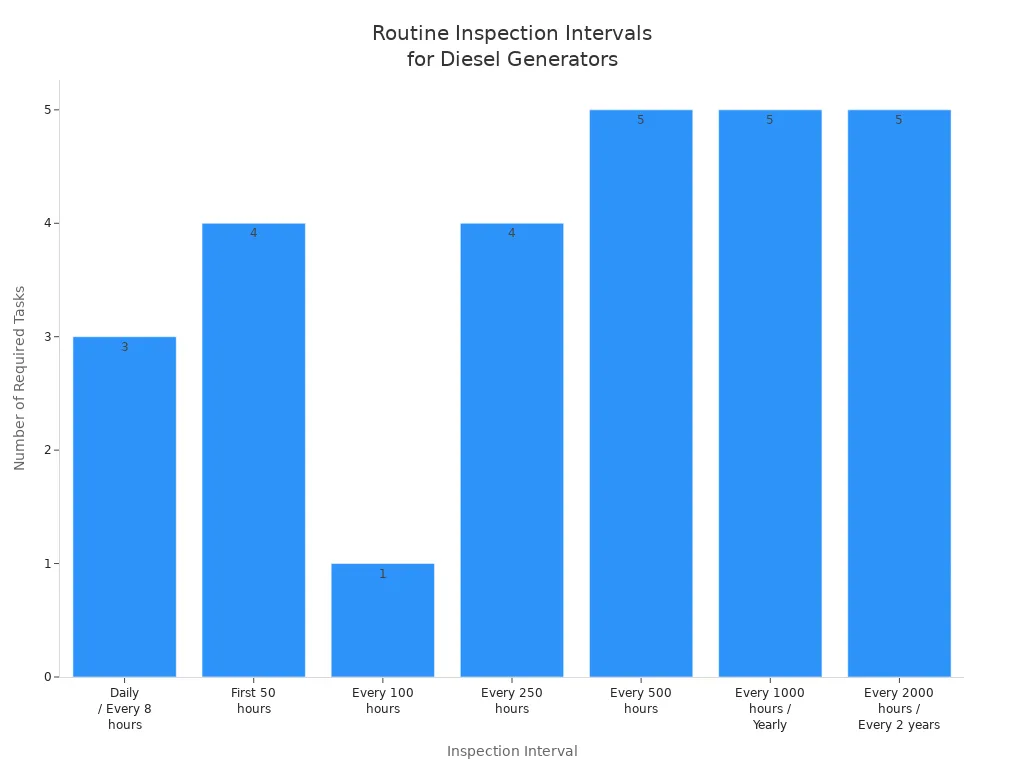
Routine inspections help you keep your generator running smoothly and prevent unexpected breakdowns. Hi-earns generators feature a robust design and silent operation, making them ideal for environments where reliability matters. You should follow a regular inspection schedule to maximize performance and extend the life of your water cooled diesel generator.
Tip: Set reminders for weekly and monthly checks to stay ahead of maintenance needs.
You need to check fluid levels often to avoid operational issues. Oil, coolant, and fuel levels must stay within recommended ranges. Low fluids can cause overheating or engine damage. For most generators, you should check these levels daily or every 8 hours of operation. You also need to check coolant concentration weekly to ensure proper cooling.
Maintenance Check | Frequency | Purpose |
|---|---|---|
Oil, Fuel, Coolant Levels | Daily / Every 8 hours | Prevent overheating and engine damage |
Coolant Concentration | Weekly | Maintain cooling efficiency |
B-Check | Every 250-500 hours or quarterly/bi-annually | Routine maintenance and fluid/filter changes |
You should also service the air cleaner every 250 hours to keep the engine breathing clean air.
Leaks can cause serious problems in your water cooled diesel generator. Common leaks include coolant and oil mixing, white smoke from the exhaust, and coolant loss without visible leaks. These issues can lead to overheating and engine damage. You should inspect hoses and connections daily for cracks or leaks. Pressure tests help you find hidden leaks before they cause trouble.
Note: If you notice coolant loss or white smoke, stop the generator and investigate immediately.
Belts and hoses play a key role in your generator’s operation. You need to check them for wear, cracks, or looseness every week. A damaged belt can affect the cooling system and cause overheating. Replace worn belts and hoses right away to avoid costly repairs.
Interval | Required Tasks |
|---|---|
Daily / Every 8 hours | Check hoses for leaks/cracks |
Every 500 hours | Check fan belt tension; inspect cooling fan for cracks |
Cleaning radiator fins weekly helps maintain cooling efficiency. You should also check for loose or damaged clamps.
The battery powers the starter motor and is essential for reliable operation. You need to test the battery under load every month. Clean terminals and tighten connections to prevent starting issues. Replace batteries when they show signs of weakness.
Aspect | Details |
|---|---|
Battery Role | Powers the starter motor; essential for generator operation. |
Common Failure Causes | Lead sulfates, corroded terminals, loose connections, dead battery. |
Prevention Measures | Regular load tests, cleaning terminals, ensuring tight connections, timely battery replacement. |
Tip: Keep a log of battery tests and replacements to track performance.
Routine inspections help you catch problems early and keep your water cooled diesel generator running at its best. Follow these steps and use Hi-earns generators for dependable power in any situation.
Proper oil maintenance keeps your generator running smoothly and protects the engine from damage. You need to follow a clear schedule and check oil quality often.
You should change the oil based on how you use your generator. Heavy-duty or continuous use requires more frequent oil changes. Standard usage follows the manufacturer's recommendations. The table below shows the best intervals:
Usage Scenario | Oil Change Interval |
|---|---|
Continuous/Heavy-Duty | Every 100-150 hours |
Standard Usage | Manufacturer's specs apply |
Customized maintenance schedules help you match oil changes to real-world conditions. You can prevent engine wear by sticking to these intervals.
Tip: Record each oil change in your maintenance log. This helps you track performance and spot patterns.
Oil filters remove dirt and particles from the oil. You need to replace the oil filter every time you change the oil. A clean filter keeps the oil pure and protects the engine. Always use genuine Hi-earns filters for best results.
Replace oil filters with every oil change.
Use only approved filters to maintain warranty and performance.
You must check oil quality to catch problems early. Signs of oil degradation include oxidation, contamination, and abnormal wear metals. You can use tests like viscosity checks and elemental analysis to spot these issues. The table below lists key indicators:
Indicator of Oil Quality Degradation | Testing Method |
|---|---|
Oxidation and oil degradation | Viscosity, Oxidation, and Base Number (BN) testing |
Contamination from dirt, moisture, or coolant leaks | Elemental Analysis by ICP and Water Content |
Abnormal wear metals | Elemental Analysis by ICP and Ferrous Debris Monitoring testing |
If you notice dirty oil or unusual smells, change the oil right away. Regular checks keep your water cooled diesel generator running at peak performance.
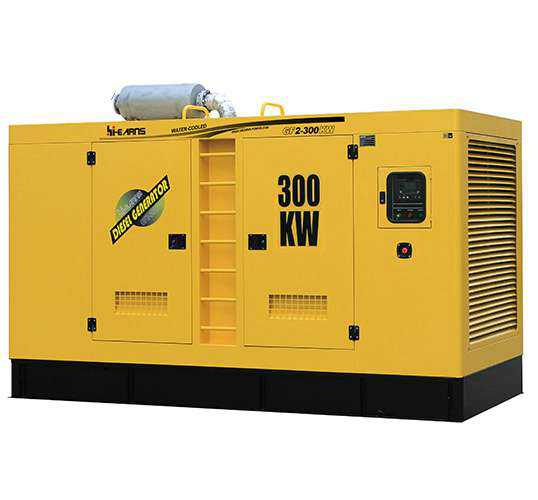
You need to pay close attention to the cooling system of your generator. This system keeps the engine temperature stable and prevents overheating. Hi-earns water cooled diesel generator models use advanced cooling technology to deliver reliable performance. You can trust their quality because Hi-earns generators are certified by ISO9001-2015 QMS and CE standards.
You should check the cooling system regularly. Look at the coolant level and make sure it stays within the recommended range. Inspect hoses and clamps for signs of wear or leaks. If you see any cracks or loose fittings, replace them right away. Clean the radiator fins every week to keep airflow strong and cooling efficient.
Tip: Always use the correct coolant type for your generator. This helps prevent corrosion and keeps the system running smoothly.
Radiator cleaning is important for keeping your generator cool. Dirt and debris can block the radiator and reduce its efficiency. You need to clean the radiator and check coolant levels every 6,000–8,000 miles if you use your generator for transportation or mobile applications. For stationary generators, clean the interior of the radiator every 3–5 years. This removes buildup that can slow down water flow and cause overheating.
Cleaning Task | Frequency | Purpose |
|---|---|---|
Radiator exterior | Weekly | Prevents airflow blockage |
Radiator interior | Every 3–5 years | Removes sludge and deposits |
The water pump and fan move coolant through the engine. If these parts fail, your generator can overheat. Watch for signs like coolant leaks, unusual noises, steam from the engine, low coolant levels, corrosion, and excessive vibration. You may also notice the temperature gauge rising or white crusty deposits around the pump. If you see any of these signs, inspect the pump and fan right away.
Coolant leaks
Whining or grinding noises
Engine overheating
Steam from under the hood
Low coolant levels
Corrosion around the pump
Excessive vibration
You need to flush the coolant once a year. This removes old fluid and any contaminants that can harm the cooling system. A yearly coolant flush keeps your generator running efficiently and prevents corrosion inside the engine. Always follow the manufacturer's instructions for flushing and refilling the coolant.
Note: Regular coolant flushes help maintain the long-term reliability of your Hi-earns generator.
You need to pay close attention to the fuel system of your generator. Clean fuel keeps your engine running smoothly and helps prevent damage. You can improve performance and reduce maintenance by following a few simple steps.
Clean fuel protects your generator from corrosion and extends its lifespan. You should always use high-quality diesel to avoid problems caused by salt air or contaminated fuel. The table below shows the benefits of using clean fuel:
Benefit | Description |
|---|---|
Reduced Corrosion | Clean fuel minimizes internal corrosion caused by salt air, extending the generator's lifespan. |
Flexible Installation | Water-cooled systems require less distance from structures, making them suitable for coastal areas. |
Quieter Operation | Diesel engines operate at lower speeds, resulting in significantly reduced noise levels. |
Enhanced Safety | Diesel is less dangerous than gas, reducing the risk of leaks and corrosion from salt air. |
Improved Fuel Efficiency | Diesel burns slower than gas, allowing for longer usage from the same volume of fuel. |
Lower Maintenance Requirements | Water-cooled generators generally require less frequent maintenance compared to air-cooled systems. |
You can see that clean fuel helps your water cooled diesel generator work better and last longer.
Fuel filters remove dirt and water from the fuel. You need to check and replace filters regularly to keep your generator safe. Water separators collect water in a bowl, stopping it from reaching the injection parts. This prevents corrosion and stops microbes from growing inside the system. The table below explains why regular filter maintenance matters:
Aspect | Explanation |
|---|---|
Water Removal | Separators collect water in a bowl, preventing it from reaching injection components. |
Contamination Prevention | By removing water, separators prevent corrosion and microbial growth, which can lead to engine damage. |
Maintenance Frequency | Regular draining of separators is essential to avoid water accumulation that can cause injector corrosion and fuel system failures. |
You should follow the manufacturer's schedule for filter changes and always use genuine parts.
Water can build up in the fuel tank from condensation or contaminated fuel. You need to inspect and drain water from the bottom of the tank often. This keeps the fuel system clean and prevents engine problems.
Inspect the fuel tank regularly.
Drain water from the bottom of the tank to avoid damage.
Water accumulation can happen after fuel deliveries or during humid weather.
You protect your generator when you keep the fuel system clean and dry. Regular upkeep ensures reliable power and reduces costly repairs.
Electrical system checks help you keep your Hi-earns water cooled diesel generator reliable. You need to focus on two main areas: battery care and wiring inspection. These steps prevent unexpected failures and keep your generator ready for action.
You must take care of the battery to ensure consistent performance. The battery starts the generator and powers key systems. If you neglect battery maintenance, you risk downtime and costly repairs.
Always switch off the generator and let it cool before starting any battery work.
Wear gloves and safety glasses to protect yourself.
Disconnect battery cables, starting with the negative terminal.
Use a multimeter to check battery voltage. Compare the reading to the recommended level.
Clean battery terminals and connectors. Remove any corrosion you find.
Apply a protective layer to terminals to prevent future corrosion.
Monitor terminals for signs of loosening or wear.
Check electrolyte levels in the battery. Top up if needed.
Verify that the charging voltage is correct.
Replace old batteries when they show signs of weakness.
Conduct regular battery tests to ensure the battery works properly.
Tip: Keep a log of battery maintenance. This helps you track performance and spot issues early.
Wiring connects all electrical parts of your generator. Faulty wiring can cause power loss or even safety hazards. You need to inspect wiring often to catch problems before they grow.
Look for loose electrical connections. Tighten them right away.
Check for corroded wires and replace them if needed.
Watch for signs like flickering displays, intermittent power loss, or unusual burning smells.
Inspect wiring insulation for cracks or damage.
Make sure all connections are secure and free from moisture.
Common Wiring Issues | Signs | Solutions |
|---|---|---|
Faulty wiring | Flickering displays | Regular inspection |
Loose connections | Intermittent power loss | Tighten connections |
Corroded wires | Burning smells | Replace corroded wires |
Electrical system checks keep your Hi-earns generator safe and dependable. You protect your investment when you follow these steps.
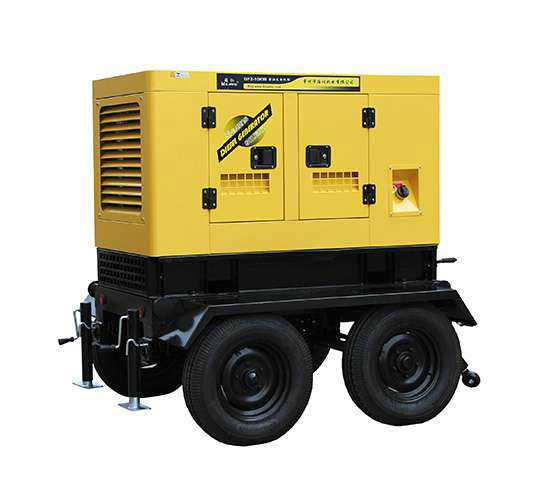
Regular testing and exercising help you keep your Hi-earns water cooled diesel generator ready for action. You can prevent unexpected failures and ensure reliable power by following a simple routine.
You should start your generator on a schedule, even if you do not use it often. Scheduled start-ups keep the engine parts moving and help you spot problems early. Try to run your generator at least once every week or two. Let it run for about 30 minutes. This practice keeps the battery charged and the fluids circulating.
Tip: Record each start-up in your maintenance log. This helps you track performance and spot patterns.
Load testing shows you how your generator performs under real conditions. You need to run your generator with a load that matches its normal use. This test helps you check voltage, frequency, and overall output. You can use a load bank or connect real equipment. Load testing helps you find weak spots before they cause trouble.
Test Type | Frequency | Purpose |
|---|---|---|
Load Testing | Monthly/Quarterly | Checks generator output and reliability |
Note: Always follow safety guidelines when connecting loads.
Running your generator at low loads can cause several problems. You should avoid letting your generator run for long periods with little demand. Low-load running leads to incomplete combustion and soot buildup. You may see more maintenance needs and faster wear on engine parts. Cylinder glazing can cause poor piston ring sealing. Diesel Particulate Filters may clog with soot. Wet stacking can result in carbon buildup and engine damage.
Incomplete combustion from low temperatures
Unburned fuel and soot in the exhaust
More maintenance and faster engine wear
Cylinder glazing and poor piston ring sealing
Soot buildup in filters and aftertreatment systems
Wet stacking and carbon deposits
You protect your Hi-earns generator when you run it at proper loads. This practice keeps your engine healthy and reduces costly repairs.
You should always use genuine Hi-earns parts when you maintain your water cooled diesel generator. These parts fit perfectly and meet the highest quality standards. Genuine parts help your generator run smoothly and last longer. They also protect your warranty and ensure that your generator stays safe and reliable. When you choose original components, you avoid problems that can come from using low-quality or mismatched parts.
Tip: Keep a small stock of essential spare parts, such as filters and belts. This helps you make quick repairs and avoid long downtimes.
Keeping a detailed maintenance log gives you many advantages. You can track every inspection, oil change, and repair. This record helps you plan preventive maintenance and spot patterns that may show early signs of trouble. When you write down each service, you make it easier to schedule future checks and replacements. Maintenance logs also help you prevent corrosion and keep protective systems working at their best. You can see when parts need replacement and set baselines for operating hours. This makes it easier to diagnose issues and plan for major service intervals.
What to Record | Why It Matters |
|---|---|
Service dates | Track maintenance frequency |
Parts replaced | Know when to order new components |
Inspection results | Spot trends and prevent failures |
Operating hours | Plan major service intervals |
Setting reminders helps you stay on top of your maintenance schedule. You can use a calendar, a smartphone app, or a simple notebook. Reminders make sure you never miss an oil change, inspection, or filter replacement. Regular alerts help you keep your generator in top shape and avoid unexpected breakdowns.
⏰ Pro Tip: Set reminders for both routine checks and major service intervals. This keeps your Hi-earns generator running strong year after year.
You gain many advantages when you maintain your water cooled diesel generator. You see fewer breakdowns, longer service life, and lower costs.
You keep your generator running strong by following these tips.
You protect your investment when you use genuine parts.
Contact Hi-earns for technical support or help choosing the right generator. You get expert advice and reliable solutions.
You should check coolant levels every day before starting the generator. This habit helps you prevent overheating and keeps your engine running smoothly.
You should use high-quality diesel engine oil that meets the manufacturer’s specifications. This choice protects your engine and ensures reliable performance.
Genuine Hi-earns parts fit perfectly and meet strict quality standards. You avoid unexpected failures and keep your generator safe when you use original components.
You can prevent fuel contamination by using clean diesel, regularly draining water from the tank, and changing fuel filters as recommended.
Tip: Always store fuel in clean containers to reduce the risk of contamination.
You should record service dates, replaced parts, inspection results, and operating hours. This log helps you plan maintenance and spot problems early.