




Hotline 0086-519-86239986

All News
Construction sites, farms, and industrial plants rely on heavy machinery every day. Choosing the right diesel engine manufacturer directly impacts your operational success and machine reliability. You must evaluate technical engineering specifications alongside supplier credentials, international quality certifications, and long-term serviceability.
Key criteria demand your close attention during evaluation:
Engine Sizing: Matching power output to equipment load.
Cooling Systems: Selecting air-cooled or water-cooled configurations.
Filtration Technology: Protecting internal components from harsh dust.
Regulatory Compliance: Meeting environmental emission standards.
Total Cost of Ownership: Balancing fuel efficiency and maintenance expenses.
Match engine horsepower, RPM, and duty cycle directly to your machinery load.
Pick air-cooled engines for dusty, freezing sites and water-cooled engines for extreme heat.
Choose manufacturers with ISO certifications and 5-stage filtration to prevent internal engine wear.
Calculate total cost of ownership by adding maintenance, fuel, and downtime expenses.
Verify spare parts availability and strong warranty coverage before buying power equipment.
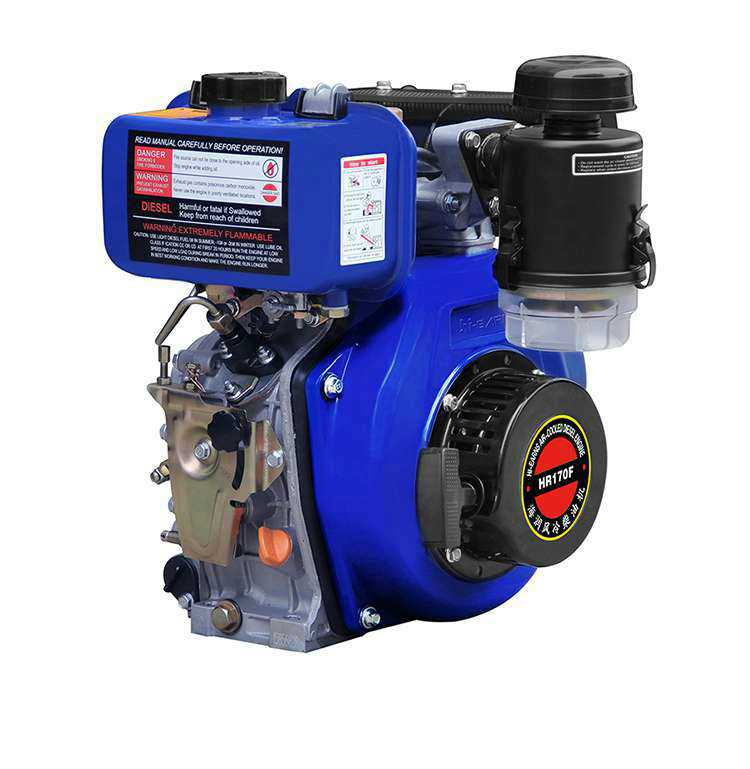
You must match engine specifications directly to your machinery's power demands. Selecting the right power plant ensures smooth equipment performance and long service life.
Engine displacement and horsepower determine your equipment's work output. Compact single-cylinder 4 hp units efficiently run light water pumps. Heavy-duty twin-cylinder models up to 25 hp handle demanding concrete mixers and industrial power generators. Industrial diesel engines run best at optimized low speeds between 1,500 and 1,800 RPM to maximize torque output.
Specification Parameter | Technical Function | Performance Impact |
|---|---|---|
Displacement (CC) | Swept cylinder volume | Dictates workload class and prospective torque |
Horsepower (HP) | Rate of work completion | Sustains machine stability under sudden loads |
RPM & Torque | Speed-force relationship | Maximizes fuel efficiency and low-speed output |
You must identify your application's operating profile before purchasing an engine. Continuous and standby applications require different engine load management strategy.
Continuous Power: Runs at 90% to 100% capacity for constant 24/7 baseload operations.
Standby Power: Handles up to 70% average load factor for emergency backup use.
Running engines within their optimal load range of 60% to 80% yields an impressive operational lifespan between 10,000 and 30,000 hours. Chronic underloading causes thermal issues, while severe overloading damages internal components.
Your machinery design dictates the required starting method and physical shaft interface.
Quick Tip: Choose manual recoil start for maximum emergency reliability without electrical dependency, or select electric start for effortless daily operation.
Feature | Manual Recoil Start | Electric Start |
|---|---|---|
System Complexity | Simple design, few points of failure | Requires wiring, relays, and starters |
Reliability | Immune to dead batteries | Dependent on battery charge levels |
Furthermore, select mounting options like keyway shafts for belted machinery or taper shafts for direct generator couplings. Proper mounting prevents shaft slippage and guarantees smooth equipment integration.
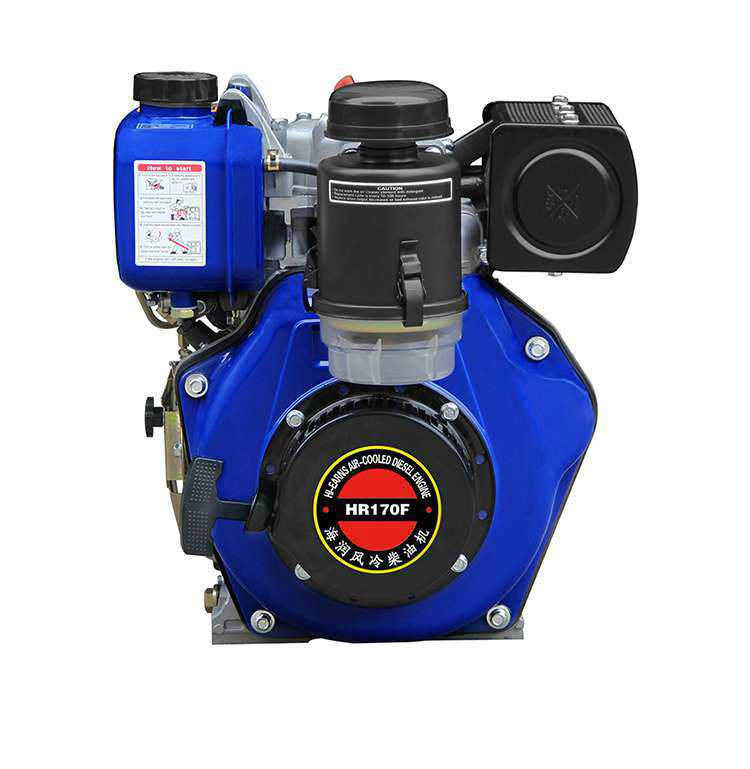
Evaluating build quality helps you choose a machine that lasts for years. You must look past basic marketing claims and analyze real engineering standards. A reliable diesel engine manufacturer uses automated factory lines and strong testing methods to deliver consistent power equipment.
Automated production lines eliminate human assembly errors. Leading factories use robotic machining to achieve micron-level precision across every engine block. Trusted suppliers, such as Changzhou Hi-earns Mechanical & Electrical Co., Ltd., back their production with international ISO9001 and CE certifications. These quality standards guarantee stable performance for demanding industrial jobs.
Top factories distinguish themselves through superior materials and testing protocols:
Engineering Benchmark | Top-Tier Manufacturers | Low-Cost Assemblers |
|---|---|---|
Component Sourcing | Major branded suppliers | Generic local imitations |
Material Standards | High-tensile alloyed cast iron | Standard grey cast iron |
Quality Verification | 100% Dyno and hot testing | Basic cold testing or batch sampling |
Machining Precision | Automated robotic machining | Manual assembly with variable fit |
Technical Tip: Always request factory validation documentation. Top suppliers share exact fuel consumption maps and low-end torque backup curves to prove anti-stalling capabilities under heavy loads.
When you choose an established diesel engine manufacturer, you also gain dedicated engineering support. Experienced technical support teams help you integrate power units smoothly into specialized equipment designs.
Dust destroys heavy machinery fast. Construction sites and agricultural fields send thick air particles into intake systems. Unfiltered grit wears down internal pistons, cylinders, and rings quickly.
You need advanced filtration to protect your investment:
5-Stage Dry-Wet Combined Air Filtration: This multi-stage system traps airborne debris before dirt touches internal moving parts.
99.9% Filtration Efficiency: High-efficiency filters capture tiny particles to prevent internal engine wear.
Extended Service Lifespan: Clean air intake drops routine maintenance costs and prevents sudden mechanical failure.
Heavy-duty single-cylinder and twin-cylinder power plants rely on these multi-stage filters. Superior air cleaning keeps your engines running smoothly through harsh outdoor projects.
Modern engines must deliver high torque while saving expensive fuel. Optimized fuel sealing technology improves combustion efficiency inside the cylinder. This feature helps compact engines deliver maximum power while reducing hourly fuel consumption.
Low-speed torque optimization transforms engine performance under heavy physical loads:
Metric / Aspect | Operational Impact | Efficiency Outcome |
|---|---|---|
Optimal Operating Range | Keeps motor loads between 75% and 100% of rated capacity | Converts power to mechanical work with minimal loss |
Ratio Optimization | Matches engine speed to gearbox torque requirements | Decreases energy usage by 15% to 25% |
Thermal Management | Prevents motor from operating outside efficiency curves | Stops excess energy from turning into heat waste |
Proper torque tuning converts fast rotational input into slow, powerful force. This conversion allows compact models, like the Hi-earns HR998, HR1105, 186FAE, and 170F series, to power heavy concrete mixers and water pumps effortlessly.
Optimizing output torque also reduces electrical strain during high-resistance engine starts. Less electrical strain protects your starter batteries and starter motors from early wear, giving you dependable starting power every morning.
You must select an engine that complies with regional emission rules and operates reliably in extreme jobsite climates. Choosing the proper cooling configuration protects your equipment investment against thermal stress.
Your operational site conditions determine whether you need an air-cooled or water-cooled diesel engine. Each system offers distinct advantages for specific machinery applications:
Feature Metric | Air-Cooled Systems | Water-Cooled Systems |
|---|---|---|
Upfront Cost | Lower initial purchase price | Higher initial system cost |
Operational Lifespan | 1,000 to 3,000 hours | 30–40% longer engine lifespan |
Fuel Efficiency | Standard fuel consumption | 8–11% better fuel efficiency per kWh |
Maintenance Scope | Minimal servicing (oil and air filters) | Moderate servicing (coolant and hose checks) |
Water-cooled diesel engines manage severe thermal stress effectively. These units operate reliably in high ambient temperatures reaching 48°C without dropping power output.
Conversely, air-cooled engines excel in sub-zero climates because they eliminate liquid coolant freezing risks. They also thrive on high-dust construction sites because they lack radiator fins that collect airborne debris.
Global emission standards require clean combustion and low exhaust output. Manufacturers adapt power units for variable environmental conditions through precise mechanical design:
Precision Injection: Advanced fuel injectors optimize fuel spray patterns inside the cylinder.
Swirl Combustion Chambers: Specialty bowl designs enhance air-fuel mixing to maximize thermal efficiency.
Adaptive Airflow Control: Built-in sensors regulate fuel delivery to match shifting air density levels.
These engineering features help compact engines maintain low emissions and stable power output across varying altitudes.
Extreme heat and cold test engine durability. Quality diesel engines, such as air-cooled and water-cooled models from Hi-earns, utilize forced induction turbochargers to compress intake air. This system prevents power loss in thin air environments.
Selection Tip: Choose water-cooled engines for continuous heavy-duty industrial work. Select air-cooled engines for lightweight portability in freezing or dusty outdoor sites.
Smart equipment buyers look beyond the initial purchase price. You must evaluate the full operational financial impact across your engine's working life.
Unexpected breakdowns cause expensive project delays. You can calculate your engine's financial impact using a systematic method:
Apply the Core TCO Formula: Calculate total cost using the baseline equation: TCO = Acquisition Costs + Operating Costs + Maintenance Costs + Fuel Costs + Depreciation Costs + Downtime Costs.
Gather Baseline Historical Data: Collect 12 to 36 months of financial records, including fuel logs, maintenance receipts, and insurance payments.
Adjust and Forecast Cost Factors: Factor in annual inflation adjustments and model multi-scenario fuel price fluctuations.
Calculate Lifecycle Projections: Combine annual operational expenses across a 5 to 10 year planned service life alongside initial purchase costs.
Fast component sourcing keeps your machinery running smoothly on active jobsites:
Factor | Low Spare Parts Availability | Good / Proactive Spare Parts Availability |
|---|---|---|
Impact on Total Downtime | Extended operational delays occur due to back-ordered or missing components. | Quick replacements prevent minor mechanical issues from escalating. |
Impact on Maintenance Costs | Expenses rise due to premium expedited freight and emergency rentals. | Controlled costs avoid emergency fees by maintaining high-risk critical inventory. |
Choosing an established diesel engine manufacturer guarantees quick access to genuine replacement filters, gaskets, and nozzles.
A reputable diesel engine manufacturer provides solid warranty coverage that protects your investment against factory defects. Strong warranties cover potential secondary damage caused by component failures. Partnering with authorized dealers ensures rapid technical service and keeps your Mean Time Between Failures (MTBF) tracking metrics low.
Evaluating long-term supplier metrics ensures maximum return on your machinery investment:
Supplier Reputation & After-Sales Support: Established distributor networks eliminate counterfeit parts risks and deliver prompt site support.
Emission Standard Compliance: Meeting regulatory environmental standards prevents costly fines and preserves optimal fuel efficiency.
Part-In-Hand Time: Efficient logistics speed up part deliveries and lower your overall ownership expenditures.
Partnering with the right diesel engine manufacturer delivers reliable performance, low routine maintenance costs, and high resale value.
Selecting the ideal power plant requires a careful balance between initial procurement costs, low fuel consumption, and long-term serviceability. You must align engine duty cycles, demand advanced 5-stage filtration capabilities, and verify ISO9001 and CE certifications.
Before signing your next contract, follow this key final checklist:
Confirm exact power ratings and fuel efficiency metrics for your operating profile.
Verify ISO certifications and local emission compliance test reports.
Review regional parts availability and ongoing technical support networks.
Take action today. Review detailed technical specifications, request custom duty cycle evaluations, and partner with a trusted diesel engine manufacturer like Hi-earns to secure dependable power solutions for your equipment.
Select air-cooled engines for lightweight portability, sub-zero climates, and dusty jobsites. Choose water-cooled diesel engines for continuous, heavy-duty operations in high ambient heat. Water-cooled units maintain superior fuel efficiency and sustain long service life under heavy thermal loads.
Dust rapidly destroys internal engine components on harsh jobsites. A 5-stage dry-wet combined filtration system traps up to 99.9% of airborne debris. This superior protection prevents internal wear, extends your engine's operational lifespan, and drastically lowers routine maintenance costs.
Shaft Tip: Choose keyway shafts for belt-driven machinery like water pumps and concrete mixers. Select taper shafts for direct generator couplings. Matching the correct shaft profile prevents physical slippage and ensures seamless equipment integration.
Certifications like ISO9001 and CE guarantee strict manufacturing quality and international safety compliance. Certified suppliers like Changzhou Hi-earns Mechanical & Electrical Co., Ltd. utilize automated factory lines to meet these standards. You receive dependable power plants that deliver low failure rates and high long-term value.