




Hotline 0086-519-86239986

All News
You need reliable water displacement systems for your jobsites. A diesel water pump delivers completely self-contained power and high mobility for remote off-grid locations. Conversely, electric water pump systems lower your operating costs, run quietly, and produce zero local emissions near established utility grids.
As project managers, civil engineers, and agricultural site operators, you must evaluate critical engineering parameters before purchasing equipment. You need to inspect local electrical infrastructure availability, total dynamic head demands, and target flow rates. Additionally, you must assess equipment mobility requirements. You should balance initial capital expenditures against long-term fuel or utility operational costs while honoring strict site noise and emission limits.
Diesel water pumps supply independent power for remote jobsites without electricity grids.
Electric water pumps offer lower operating costs for grid-connected sites.
Electric motors require minimal maintenance and produce zero local exhaust emissions.
Heavy-duty cast-iron diesel pumps push thick mud and high water volumes easily.
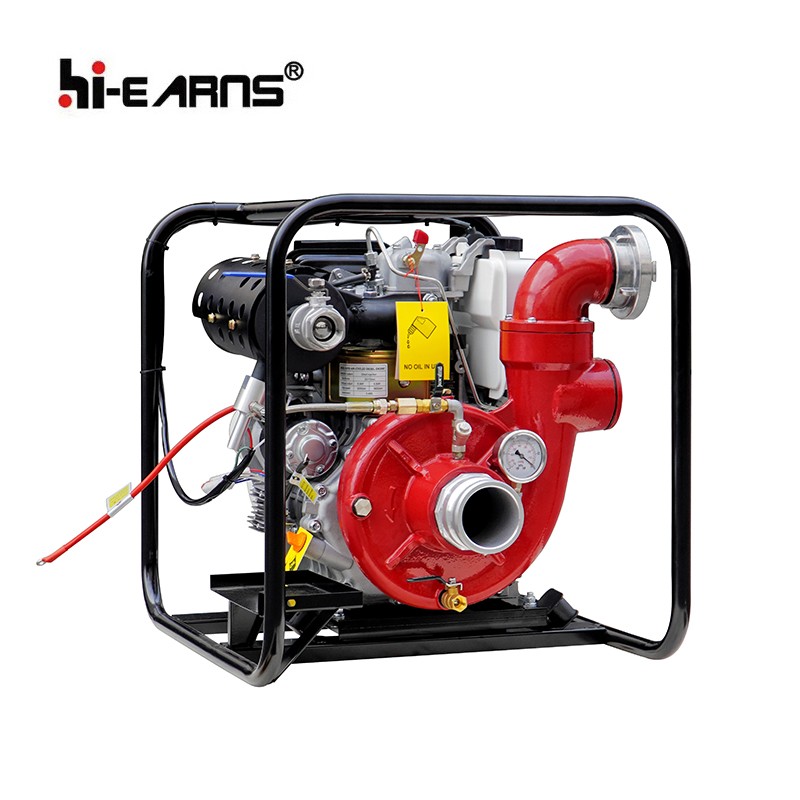
You must evaluate site power infrastructure thoroughly when choosing water pumping equipment for your jobsite. Remote agricultural fields, civil construction projects, and emergency dewatering locations often lack access to electrical utility grids. A reliable diesel water pump provides complete mechanical independence in these off-grid places. You can deploy these self-contained pumping units instantly without installing costly power lines or waiting for local utility grid connections. Your teams maintain full operational control during emergency situations.
You also need to assess site environmental conditions like elevation when operating engine-driven units in remote areas. High altitude impacts fuel combustion efficiency and overall mechanical output:
As elevation increases, air density and oxygen levels decrease.
For every 1,000 feet of elevation gain, air density drops roughly 3%, leading to less oxygen for combustion.
Engines may inject similar fuel amounts despite lower oxygen, resulting in incomplete combustion, higher fuel consumption, and darker exhaust smoke.
Typical symptoms include reduced acceleration, higher turbocharger workload, and lower fuel economy.
You must inspect electrical infrastructure thoroughly before selecting electric water pump systems for your jobsite. Electric motor systems require a continuous connection to established power grids or large jobsite generator sets. You need to verify grid capacity, transformer ratings, electrical phase requirements, and voltage stability across your operational site. Running long electrical power cables across expansive construction projects creates severe voltage drops and physical safety hazards for your workers.
Grid dependency reduces your operational mobility during sudden power outages and urgent emergency response situations. Power blackouts halt electric pumping operations immediately unless you maintain expensive generator backup systems. Remote agricultural operations face high financial investments when extending utility lines across vast acreage. You should deploy electric motor systems primarily at fixed indoor industrial facilities or urban construction sites with reliable electrical service.
You gain exceptional mechanical force when you choose a diesel water pump for heavy water displacement. Diesel engines generate higher torque at lower RPMs compared to electric motors. This low-speed torque helps you push thick slurry, mud, and high volumes of water across long distances effortlessly.
Changzhou Hi-earns Mechanical & Electrical Co., Ltd. builds Hi-earns Diesel Water Pumps to deliver this strong torque output. These systems use reliable 4-stroke air-cooled single-cylinder engines, including the 173, 178, and 186FA models. You get exceptional service life from these units during continuous operation. In fact, water pumps in heavy-duty over-the-road diesel engines can last 8,000 to 10,000 hours of continuous operation, which translates to approximately 400,000 to 500,000 miles for trucks averaging 50 mph.
You can select specific frame materials based on your site mobility and durability needs. Lightweight aluminum models offer high portability for quick field setup. You can easily carry these compact units across difficult terrain during unexpected flood emergencies.
Compact size and light weight, with built-in carrying frame. No professional installation required, ready to operate by simply placing on site. Especially suitable for remote and complex terrain scenarios.
For continuous heavy-duty jobs, you should select cast-iron models with self-priming centrifugal impellers. Units like the DP30HCIE and DP30H handle demanding high-pressure applications. Models like the DP40E supply high-flow water for large agricultural fields. You must review pump metal properties to match your site environment:
Aspect | Cast Iron | Aluminum |
|---|---|---|
Corrosion Mechanism | Rust forms in aggressive water at 0.1–0.5 mm/year | Forms a passive oxide layer outdoors |
Protection Strategy | Adding 0.5–2% chromium reduces corrosion rate by 50–70% | Requires corrosion inhibitors near dissimilar metals |
Cast-iron housings resist harsh physical wear. Meanwhile, aluminum builds reduce total equipment weight for rapid deployment.
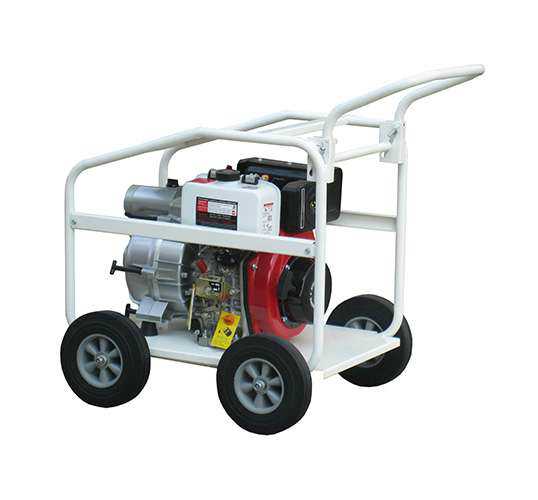
You must evaluate equipment purchase choices based on both initial capital costs and long-term operating expenses. A diesel water pump system usually requires lower upfront capital expenditure when your remote project site lacks existing power grid infrastructure. Installing brand-new electrical power lines across long distance locations increases your initial jobsite setup budget significantly. You avoid costly utility connection fees, power line extensions, and transformer installations by choosing self-contained engine equipment for off-grid operations.
However, electric pump systems deliver much lower ongoing operational expenditures over continuous working periods. Fuel prices and transport logistics increase daily running costs for engine-driven units on remote jobsites. Lower electricity tariffs keep utility bills predictable for grid-connected water management operations. You can review typical operating cost comparisons for a thousand-hour annual operation in the table below:
Pump Type | Annual Operating Cost | Five-Year Total (Operating) |
|---|---|---|
Diesel | $13,336 | $66,680 |
Electric | $5,620 | $28,100 |
Mechanical engine drive units require regular preventive maintenance to maintain peak operational reliability on demanding jobsites. You must inspect air filters, change engine oil, check fuel injectors, and service cooling systems on strict working schedules. Engine friction creates wear on internal valves, pistons, and seals over time. Skilled technicians must perform these routine mechanical checkups to prevent sudden operational downtime during critical water pumping projects.
Solid-state electric motors contain far fewer moving components than internal combustion engines. You spend much less time and effort on routine motor servicing because electric units eliminate engine oil changes, belt adjustments, and fuel filter replacements entirely. Sealed motor bearings require minimal lubrication during standard equipment service intervals. Electric motor systems simplify your jobsite maintenance schedules, lower spare parts inventory needs, and reduce overall technician labor demands significantly over years of continuous service.
You must check environmental rules before choosing pumping systems for your jobsites. Electric pumps produce zero local exhaust emissions during operations. You can run electric units safely inside enclosed buildings and urban zones. Diesel water pumps rely on advanced clean-combustion designs to meet modern non-road engine standards. Project managers choose equipment based on local environmental rules and indoor air safety goals.
You must confirm engine compliance with official regulations when deploying diesel equipment. Regulators enforce strict particulate matter (PM) and nitrogen oxide (NOx) limits for non-road diesel engines between 56 kW and 560 kW:
Pollutant | Standard (g/kW-hr) |
|---|---|
PM | 0.02 |
NOx | 0.40 |
Global environmental policies continue to tighten around non-road equipment usage. You must select certified engine models when working across international construction markets:
Australia requires Stage V compliant diesel engines for diesel water pumps, as per Australian Design Rules (ADR) that align with Stage V standards.
All new diesel engines sold in Australia above 19 kW must meet Tier 4 or Stage V emission standards as of 2026.
You must evaluate site sound levels to protect workers and nearby communities. Electric water pumps run quietly with very little mechanical vibration. You can operate electric motors near residential zones without creating sound disturbances or exceeding local noise thresholds.
Unshielded diesel engines produce higher acoustic output during continuous operation. Jobsite engineers report sound measurements from basic pump setups:
Standard pump packages are loud — typically in the range of 85 to 100 decibels at close range.
You can install sound-attenuated enclosures around your diesel units to reduce operating noise significantly. Custom soundproof canopies absorb engine vibration and acoustic output effectively. These protective covers let you run heavy-duty diesel pumps safely in sound-sensitive municipal projects while protecting jobsite workers.
You select your ideal system by checking site grid access, mobility requirements, target flow rates, and project duration. Off-grid job sites and emergency dewatering scenarios require completely self-contained equipment. Hi-earns diesel water pump systems deliver reliable high-pressure output for remote agricultural irrigation and urgent flood control tasks without utility power.
You must calculate system resistance and compare long-term operational expenses before purchasing hardware. Determine your total dynamic head using this standard formula:
TDH = Static Head + Friction Losses + Velocity Head
Evaluate your system total dynamic head alongside fuel logistics and utility costs to choose the most cost-effective pumping solution.
You must avoid operating diesel water pumps inside unventilated indoor spaces. Internal combustion engines produce harmful exhaust gases during fuel combustion. You can safely deploy electric water pump systems indoors because they generate zero local emissions.
You should select lightweight aluminum models for tasks that require frequent equipment movement across tough terrain. You should choose heavy-duty cast-iron models with centrifugal impellers when you need maximum wear resistance during continuous, high-pressure pumping operations.
You need to inspect air filters, check fuel injectors, and change engine oil regularly. You must also monitor cooling systems to ensure reliable performance. Electric motors eliminate these engine tasks, simplifying your routine jobsite maintenance schedule.
Diesel water pumps operate independently from electrical power grids. You can set up units like the Hi-earns DP40E directly near remote farm fields. Their high-torque 4-stroke engines deliver high-flow water displacement across large agricultural acres easily.