




Hotline 0086-519-86239986

All News
The right choice between a diesel water pump and an electric pump depends on three factors: power availability, duty cycle, and emergency risk.
Factor | Diesel Water Pump | Electric Pump |
|---|---|---|
Power availability | Works off-grid, needs fuel | Requires stable grid or generator |
Duty cycle | Handles heavy, continuous loads | Best for steady, long runtime with reliable power |
Emergency risk | Reliable during outages, no power dependence | Vulnerable to power failures |
Use this table to quickly sort your situation. This post delivers a practical, side-by-side comparison. You get concrete guidance, not a vague "it depends" answer.
Choose diesel when you need independence from the grid for heavy loads or emergencies.
Choose electric when you have stable grid power for lower costs and quiet operation.
Consider upfront costs and long-term fuel or electricity expenses before deciding.
Match your pump to your site's power source, duty hours, and total dynamic head.
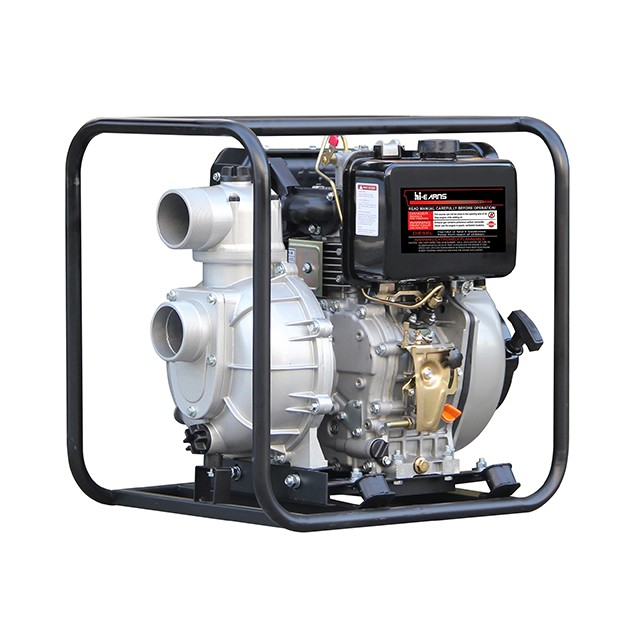
A diesel water pump is an engine-driven machine. A diesel engine turns the impeller inside the pump casing. The impeller then moves water through the inlet and out the discharge port.
Diesel pumps come in a variety of sizes to suit different applications. This range means you can match a pump to your specific flow and head needs.
Diesel pumps shine in tough conditions. They deliver instant high power the moment you start the engine. You do not need a grid connection or a generator. This makes them ideal for heavy-duty tasks and off-grid locations. Farm irrigation, construction dewatering, and emergency firefighting all benefit from this independence. However, your pump performance depends on fuel availability. You must plan your fuel supply carefully for long jobs.
Diesel water pumps cover a wide power range. Smaller models handle light tasks with modest fuel consumption. Larger units deliver high flow rates for extensive irrigation. The engine size determines both the power output and the fuel demand.
Fuel logistics matter for every diesel pump owner. You need a steady supply of diesel fuel on site. Storage tanks, refueling schedules, and fuel quality all affect uptime. A pump that runs dry or gets contaminated fuel will fail when you need it most. Plan your fuel needs based on your daily runtime and engine size. This preparation keeps your operation running without interruption.
An electric water pump uses an electric motor instead of a diesel engine. The motor spins the impeller at a consistent speed. This rotation creates suction that pulls water into the pump through the inlet. The impeller then forces the water out through the discharge port. You connect the motor to a power source like the grid, a generator, or a solar panel system. The motor converts electrical energy into mechanical energy to drive the pump continuously.
Electric pumps shine in several important ways. They operate with higher efficiency than mechanical pumps. Electric motors lose less energy as heat during operation. You also get quieter performance. No engine noise means you can run these pumps near homes, hospitals, or other noise-sensitive areas without complaints. Electric pumps produce zero local exhaust emissions. This makes them suitable for indoor use or enclosed spaces where ventilation is limited. You do not need exhaust routing or ventilation fans. Modern applications increasingly use electric pumps alongside diesel systems. A construction site might use an electric pump for routine dewatering and keep a diesel pump for backup during power outages. This hybrid approach gives you the best of both options.
Your power supply determines where you can use an electric pump. Grid-connected sites provide the most reliable option. You get consistent voltage and unlimited runtime as long as the grid stays active. Sites with generator power work well too, but you must match the generator size to your pump's starting current. Electric motors draw more current during startup than during normal operation. Solar-powered systems offer a clean solution for remote locations, though you need battery storage for nighttime or cloudy-day operation. Each power source has its own installation requirements and costs.
Voltage requirements vary by pump size and motor design. Single-phase power serves most smaller pumps. Larger pumps often require three-phase power for efficient operation. You must check your site's voltage before selecting a pump. Voltage fluctuations can damage electric motors and cause pump failure. A stable power profile matters more for electric pumps than for diesel models. If your site experiences frequent brownouts or voltage drops, consider adding a voltage regulator. You might also choose a diesel pump for sites with unreliable power.
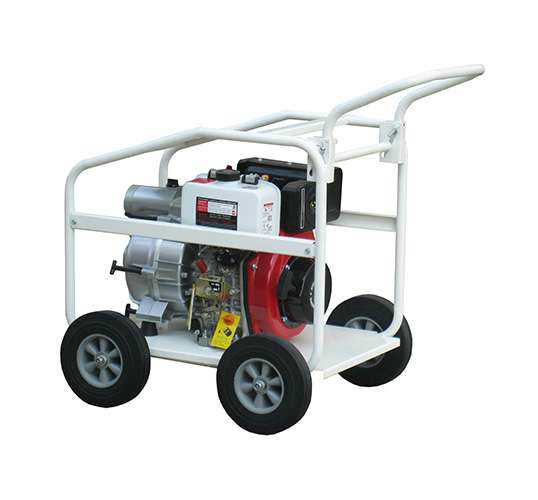
The power source shapes everything about how you use each pump. A diesel water pump carries its own engine and fuel tank. You can move it to a remote field, a construction site, or an emergency zone with no electrical infrastructure. Portability depends on the model. Smaller units with aluminum alloy frames move easily between jobs. Larger 4-inch models need a vehicle or trailer for transport. An electric pump ties you to a power supply. You need a grid connection, a generator, or a solar system with batteries. The pump itself may be lighter, but the power source limits where you can operate.
Consider your site before you choose. A farmer flooding rice fields far from any outlet needs the independence of an engine-driven unit. A factory with stable three-phase power can install a fixed electric pump and forget about fuel deliveries. The table below summarizes these core differences.
Feature | Diesel Water Pump | Electric Pump |
|---|---|---|
Power source | Onboard diesel engine | Grid, generator, or solar |
Portability | Self-contained, moves anywhere | Limited by power cable or supply |
Startup torque | High torque from idle | High inrush current at startup |
Load handling | Handles heavy, variable loads | Best for steady, consistent loads |
Startup behavior separates these two pump types in daily operation. A diesel engine delivers strong torque the moment it fires. You can start a diesel pump under full load without tripping a breaker or straining a circuit. This makes diesel models reliable for high-head applications where the pump must push water through long pipes or uphill. The engine also handles variable loads well. If your flow demand changes during the day, the engine adjusts without shutdown risk.
Electric motors behave differently at startup. They draw a surge of current — often several times the running current — when the motor first spins. This inrush can trip breakers or overload a generator. You must size your electrical supply to handle this peak demand. Once running, an electric pump performs best under steady, predictable loads. Frequent starts and stops stress the motor and shorten its life. For continuous duty with stable power, an electric pump runs efficiently. For heavy, variable, or unpredictable loads, the engine-driven option gives you more tolerance.
A diesel water pump typically costs more to buy than an equivalent electric model. The engine, fuel system, and exhaust components add to the price. You also pay for fuel tanks, hoses, and sometimes a trailer for larger units. Installation is simple though. You place the pump, connect the suction and discharge hoses, fill the fuel tank, and start the engine. No electrician is needed.
An electric pump often has a lower purchase price for the same flow and head rating. However, you must factor in the cost of getting power to the pump. That means running cables, installing a breaker panel, or buying a generator. If your site lacks grid power, the cost of a generator or solar system can exceed the diesel pump price by a wide margin. For sites with existing power, the installation cost stays low.
Operating costs tell a different story over time. Diesel fuel prices fluctuate, and a pump running 8 hours per day can consume a significant volume of fuel each month. Electric pumps on grid power usually cost less per hour to run because electricity is cheaper per unit of energy than diesel in most regions. Maintenance adds another layer. Diesel engines need oil changes, filter replacements, and fuel system checks. Electric motors need far less routine service.
Consider a simple example. A diesel pump running 8 hours per day for one year incurs significant fuel costs, while an equivalent electric pump on grid power costs less to operate. With routine diesel maintenance added, the electric pump wins on operating cost when grid power is stable and available.
Diesel water pumps use air-cooled engines on many models. This design eliminates the coolant system entirely. You avoid radiator checks, coolant flushes, and freeze protection. Routine service becomes simpler: change the engine oil, clean or replace the air filter, and inspect fuel lines. These tasks take minutes, not hours. You get a pump that keeps working season after season with basic care.
Electric pumps need less frequent attention in some ways. They have fewer wear parts because no engine oil, fuel filters, or spark plugs exist. However, you must still inspect seals, bearings, and impellers. The motor itself requires almost no routine service under clean, stable power. The trade-off is clear: diesel demands regular engine maintenance, while electric demands clean power and occasional mechanical checks.
Electric pumps face serious risks when your power supply is unstable. Several failure modes can stop your operation:
Overloads: A pump working harder than its rated load draws excessive current. This generates excess heat in the windings, breaks down insulation, and causes a short circuit.
Phase imbalance: In a three-phase motor, voltage or current imbalance creates negative sequence currents. These generate localized heat and pulsating torque. The motor runs hot and vibrates.
Voltage spikes: Power quality issues like lightning strikes or utility switching can puncture winding insulation. This leads to immediate short-to-ground failure.
Unstable or incorrect electrical supply is a major cause of pump motor failure. Over-voltage, under-voltage, or inconsistent power from solar panels on cloudy days can stress motor windings, cause overheating, and lead to burnout. A pump's motor is designed to operate within a specific voltage and current range; deviating from this range introduces electrical stress that damages the motor over time.
A diesel pump avoids these electrical risks entirely. Its engine runs independently of grid quality. You face fuel-related issues instead, such as contaminated diesel or a clogged filter. These problems are visible and fixable on site. For uptime in harsh or remote locations, the engine-driven design gives you fewer hidden failure points.
A diesel water pump produces two things you must manage on any site: engine noise and exhaust fumes. The engine combustion process creates steady noise that travels across open ground. Nearby homes, schools, or hospitals may have local noise ordinances that restrict operating hours. You need to check your local rules before you place a diesel pump near a residential area. Some regions require permits for engine-driven equipment above a certain size. Exhaust emissions also fall under environmental regulations in many jurisdictions. You must route exhaust away from workers, livestock, and enclosed spaces. A simple exhaust pipe extension solves most of these problems at low cost.
An electric pump changes this picture entirely. The motor runs with far less noise than a diesel engine. You hear a hum instead of the sharp clatter of combustion. Electric pumps also produce zero local exhaust emissions at the point of use. No fumes means no exhaust routing, no carbon monoxide risk, and no odor complaints from neighbors. This advantage matters most in urban areas, food processing facilities, and indoor agricultural operations. If your site sits close to sensitive receptors, the electric option removes a whole category of regulatory and community friction.
Outdoor installation suits both pump types with minimal fuss. A diesel pump sits on a concrete pad or trailer, draws fuel from its tank, and vents exhaust into open air. You get natural ventilation and noise dispersion. An electric pump outdoors needs only weather protection for the motor and a safe cable route. Rain, dust, and temperature extremes affect both types, so you should shelter the control panel and connections regardless of which pump you choose.
Indoor installation imposes strict limits on diesel models. You must route exhaust gases to the outside through ducting or a stack. The space needs active ventilation to remove heat, fumes, and any fuel vapor. Without proper airflow, carbon monoxide builds up quickly and creates a serious health hazard. You also need fire protection and fuel storage rules that comply with local codes. Electric pumps face fewer indoor constraints. They need no exhaust routing and produce no combustion gases. You still require adequate airflow to cool the motor, but the ventilation demand is far lower. For basements, tunnels, and enclosed pump rooms, the electric option simplifies compliance and reduces installation cost.
You can automate an electric pump with simple, low-cost devices. A float switch turns the pump on when water rises to a set level. It shuts the pump off when the water drops. A pressure switch does the same job for pressurized systems. These controls need only a relay or contactor to handle the motor current. You wire them directly into the pump circuit. The setup takes little time and few parts.
A diesel pump needs a different approach. You can add an auto-start module that cranks the engine when a float switch closes. The engine then runs until the switch opens. This works well for sump drainage or tank filling. However, you must also monitor fuel level and engine temperature. A pump that runs out of fuel stops without warning. An engine that overheats can seize. Good automation for diesel includes low-oil shutdown and high-temperature alarms. These features protect the engine when no one is on site.
Electric pumps integrate easily with remote monitoring systems. You can add pressure sensors, flow meters, and current sensors to the motor circuit. These devices send data to a PLC or a cloud gateway. A SCADA system then tracks pump status, flow rate, and power draw in real time. You can start, stop, or adjust the pump from a control room miles away. This level of control suits municipal water systems, industrial plants, and large farms with multiple pump stations.
Diesel pumps can join a SCADA network too, but the integration costs more. You need sensors for fuel level, oil pressure, coolant temperature, and engine speed. A remote terminal unit collects these signals and sends them to the central system. The SCADA platform then monitors engine health alongside pump output. This setup gives you full visibility, yet it adds wiring, sensors, and programming time. For remote sites with no grid power, the diesel pump plus telemetry remains a practical choice. You get automation without depending on the electric grid.
You face a clear decision when your site has no electrical connection at all. Remote fields, mining pits, and construction sites far from utility lines leave you with no practical way to run an electric motor. A diesel water pump solves this problem because it carries its own power source. The engine starts with a turn of the key or a pull of the rope. You need no cables, no breaker panels, and no generator.
Weak grids create a different challenge. Voltage sags, brownouts, and phase imbalances damage electric motors over time. A pump that runs on unreliable power may fail without warning. Diesel models ignore these grid problems entirely. The engine runs at its own speed and delivers consistent output regardless of what happens on the utility line.
Diesel pumps excel when your job demands serious hydraulic power. Several applications stand out:
Mining dewatering: Dynamic high-head conditions with viscous fluids demand high-displacement engines that deliver massive low-end torque.
Flood control: High self-priming capability and the ability to handle solids-laden water keep operations moving.
Large-scale construction: Independence from intermittent grid access and sustained full-load performance matter on every shift.
Emergency flood response: Trailered units start within minutes and need no grid connection.
Emergency firefighting represents one of the strongest cases for diesel power. A diesel fire pump serves as a backup to the electric pump. If the electrical supply fails during a fire, the diesel pump automatically starts. This ensures that water supply continues even without electricity. Many fire pump systems include diesel engine driven units to provide dual protection against power outages.
Diesel pumps also suit high-duty and longer hours of operation. Gasoline pumps work well for short-term or medium-duty use. When your job runs all day, every day, the diesel engine gives you the endurance and fuel efficiency you need.
Choose an electric water pump when your site has stable grid power. Reliable electricity unlocks the biggest benefits. You get lower operating costs, quieter operation, and simpler automation. These advantages vanish if your power supply is weak or intermittent. Your final decision depends on your power profile, water volume, and operational duration.
Stable power lets you run an electric pump for long hours at a fraction of diesel fuel cost. Electric motors convert roughly 88 percent of input energy into pumping work. Diesel engines convert only 21 to 31 percent. That efficiency gap directly affects your yearly expenses. A farmer switching from diesel to electric pumps cuts total energy demand by about 35 percent per growing season. Over a full year of 8-hour days, those savings add up to thousands of dollars. The table below shows the efficiency difference.
Pump Type | Motor Efficiency | Operating Cost Impact |
|---|---|---|
Electric | ~88% | Less energy wasted, lower energy cost per volume pumped |
Diesel/Fossil Fuel | 21–31% | Much more energy consumed per volume, higher operating cost |
Modern pumps with variable speed drive technology improve the picture further. A VSD pump adjusts motor speed to match your flow demand. This saves 30 to 50 percent more energy over a 10-year period compared to a fixed-speed pump. The pump also includes a soft-start feature. It ramps up slowly instead of jolting the pipes. This eliminates water hammer and reduces mechanical stress on bearings and seals. Less stress means fewer repairs and longer pump life. A well-maintained VSD pump lasts 15 to 20 years.
Pumps with brushless DC motors add another layer of reliability for long runtime. They have no carbon brushes to wear out. You run them unattended for full days without stopping for brush replacement. The motor also handles unstable voltage from solar panels or battery systems. Built-in voltage stabilization prevents speed drift, locked rotor damage, and driver burnout. This wide-voltage tolerance makes electric pumps viable even in partially off-grid locations.
Electric pumps produce far less noise than diesel models. You hear a low hum instead of engine combustion. This quiet operation means you place the pump near homes, hospitals, or schools without complaints. No exhaust fumes also simplify placement. You skip ventilation ducts and exhaust routing. The pump works indoors and in enclosed spaces without health risks.
Automation comes naturally to electric pumps. You connect a float switch or pressure sensor directly to the motor circuit. The pump starts and stops without human attention. For advanced control, add a flow meter or current sensor. These devices feed data to a SCADA system or cloud gateway. You monitor pump status from a remote office. Clean electromagnetic signals from modern electric pumps prevent sensor errors and program glitches. This stability matters in precision automation where a false reading can stop an entire process.
Your final choice depends on your site conditions. Stable grid power, steady water demand, and long operating hours point toward an electric pump. Unreliable power or remote location favors diesel independence. Match the pump to your power profile, water volume, and runtime needs.
You see diesel water pumps at work across many tough environments. Farmers rely on them for irrigation and rice field flooding. Construction sites depend on reliable dewatering around the clock. Mining operations face high-head conditions and viscous fluids every shift. You get consistent performance even in remote pits far from power lines.
Cities and towns use diesel pumps for emergency water supply and flood control. Municipal crews deploy these units when storms knock out electrical service. You maintain water pressure for residents when the grid fails.
Industrial plants and commercial buildings install diesel backup systems for fire protection. A diesel fire pump starts automatically when the electric supply drops. This dual protection keeps sprinkler systems charged during a blaze. Military field operations also depend on these pumps for water supply and dewatering. Residential areas near flood zones benefit from portable diesel units too. You can store a trailer-mounted pump ready for rapid deployment. Every scenario shares one theme: independence from the electrical grid.
When you buy a water pump, several common errors can cost you money and cause downtime. You can avoid these by knowing what to watch for before you choose a diesel or electric model.
The most frequent mistake buyers make is choosing a pump based only on its price. You see a low-cost model and grab it without checking your system needs. This decision leads to poor performance and early failure. The pump cannot handle your actual flow or head.
A bigger error is failing to calculate total dynamic head (TDH). TDH includes the vertical lift, pipe friction losses, and any pressure the system needs at the discharge point. Without this number, you cannot select a pump that moves enough water. An undersized model struggles to push water through the pipes. An oversized model wastes fuel or electricity. It may also cause cavitation damage to the impeller.
Common Head Calculation Mistake in Well Pump Selection
You also need to match the engine horsepower to the pump requirements. A diesel engine with too little power cannot sustain high head or heavy flow. The engine struggles, overheats, and fails early. You should prioritize torque, cooling efficiency, and fuel consumption when choosing a diesel engine. A cast-iron pump body and air-cooled engine design help your equipment last longer under continuous duty.
Buyers often overlook fuel efficiency when comparing diesel options. A pump that consumes more fuel per hour eats into your operating budget month after month. The same logic applies to electric pumps. Ignoring electricity cost leads to budget surprises.
Price-based selection without system analysis.
Failure to calculate total dynamic head (TDH).
Oversized pump for actual system needs.
Overlooked fuel efficiency in diesel models.
Neglected maintenance costs and schedules.
Incorrect system design or poor selection causing the majority of failures.
Many diesel pump failures result from incorrect system design or poor pump selection rather than defects in the equipment itself. You must match the pump to your actual operating conditions. A wrong choice wastes fuel and money.
Maintenance requirements are another neglected factor. Some buyers assume all pumps need the same level of service. Diesel pumps require oil changes, air filter cleaning, and fuel system checks. Electric pumps need less frequent attention but suffer from power quality issues. You must plan for both.
Ignoring fuel logistics or grid reliability leads directly to downtime. If you choose a diesel pump without a reliable fuel supply plan, the unit stops when the tank runs dry. If you pick an electric pump on a grid with voltage sags, the motor burns out. Always audit your fuel or power supply before you finalize your pump choice.
Start your pump selection with a clear process. Most pump failures come from incorrect system design, not from defective equipment. You can avoid that outcome by following five simple steps. Each step builds on the previous one.
Step 1: Determine your required flow rate in gallons per minute or liters per minute. Measure the volume of water you need to move each day. Divide that by the hours of operation you expect. The result is your target flow rate. A farmer flooding rice fields needs a different flow than a construction crew dewatering a trench.
Step 2: Calculate your total dynamic head. Add the vertical lift distance from water source to discharge point. Include all pipe friction losses from your hose or pipe run. Add any residual pressure needed at the outlet. This total gives you the head your pump must overcome. Most pump problems start with an inaccurate head calculation, so measure distances carefully.
Step 3: Define your duty cycle. Record how many hours per day and how many days per year you plan to run the pump. A unit running 8 hours daily for a full season faces different demands than a pump used only for emergency backup. Your duty cycle affects power source choice and maintenance schedule.
These three numbers form your technical requirements. Write them down before you compare any pump models.
Step 4: Match your power source to your site. Check if stable grid electricity is available at your pump location. If the grid is weak or absent, choose a diesel pump. A generator option works for electric pumps, but you must select a unit large enough to handle the motor starting current. Your power source determines which pump type is practical.
Step 5: Balance your upfront budget against long-term costs. Compare the purchase price plus installation cost to the yearly fuel or electricity expense and expected maintenance. Consider the risk of downtime. A pump that fails during a critical operation costs more than its purchase price. Diesel pumps cost more to buy and operate, but they keep running when the power fails. Electric pumps save money each month but depend on a stable grid.
These five steps give you a clear path. You define the hydraulic need first. Then you match the power source and budget. The right pump flows naturally from this process.
You protect your investment when you ask the right questions before you place an order. Start with certifications. Ask whether the pump carries relevant certifications that demonstrate quality and safety standards. A supplier who hesitates on this point deserves extra scrutiny.
Next, ask about monthly production capacity to ensure suppliers can fill large or repeat orders on schedule. Confirm the delivery lead time in writing. A clear timeline helps you plan installation and avoid project delays. You should also request the model's performance curve and fuel consumption data. These documents let you verify that the pump matches your flow and head requirements.
You must test every pump before you accept delivery. Run a flow rate check first. Measure the actual volume of water the pump moves per minute and compare it to the quoted figure. Next, verify the head. Confirm that the pump lifts water to the height your system needs.
Check fuel or power consumption during the test run. A pump that burns more fuel than expected raises your operating cost. Listen for unusual noise or vibration, which may signal a mechanical problem. Finally, inspect every joint, seal, and connection for leaks. A small leak under pressure grows into a major failure over time. Record all test results and keep them with your warranty documents.
Your choice comes down to three factors: power availability, duty cycle, and emergency risk. Score your site against each one. A diesel water pump wins on independence and peak power. An electric pump wins on operating cost, quietness, and automation. Neither option dominates every situation.
Write down your answers for all three factors before you request quotes. This simple step keeps you focused on your real needs. You avoid paying for features you will never use. You also reduce the risk of downtime when it matters most.
You can, but you must route exhaust gases outside through ducting. The space also needs active ventilation to remove fumes and heat. Without proper airflow, carbon monoxide builds up quickly and creates a serious health hazard. Electric pumps face fewer indoor constraints because they produce no combustion gases.
A diesel pump handles heavy, continuous loads well. Models with air-cooled engines resist wear under sustained use. You should follow the maintenance schedule for oil changes and filter checks. Fuel supply and cooling efficiency determine your actual runtime.
Start with your required flow rate and total dynamic head. Measure the vertical lift, pipe friction losses, and any discharge pressure needs. Then match engine horsepower to those requirements. Prioritize torque and fuel consumption when choosing a diesel engine for irrigation.
Yes, electric pumps can run on solar systems with battery storage. You need batteries for nighttime or cloudy-day operation. Brushless DC motors handle unstable voltage from solar panels well. Built-in voltage stabilization prevents speed drift and motor damage.
Both types last many years with proper care. Diesel pumps need regular engine maintenance but resist power quality issues. Electric pumps have fewer wear parts but suffer from voltage spikes and phase imbalance. Your power supply and maintenance habits determine actual lifespan.