




Hotline 0086-519-86239986

All News
It depends on how you drive, what you tow, and how long you plan to keep the vehicle. A diesel engine rewards high-mileage drivers. It handles heavy towing and long ownership well. Gasoline suits low-mileage city commuting and shorter ownership.
Annual mileage matters most:
Under 15,000 miles per year, gasoline usually costs less.
Between 15,000 and 25,000 miles, the choice is a toss-up.
Above 30,000 miles per year, diesel becomes more economical.
Fleets reach total break-even near 150,000 to 200,000 miles.
Compare fuel economy, purchase and maintenance costs, engine lifespan, towing, emissions, noise, resale value, and total cost of ownership. Match the engine to your actual driving.
Diesel wins for long-distance driving, heavy towing, long ownership. Gasoline wins for low-mileage city trips.
Annual mileage matters most. Drivers under 15,000 miles choose gas. Drivers above 30,000 miles choose diesel. Fleets break even near 150,000-200,000 miles.
Diesel trucks cost more upfront. Maintenance bills run higher. Fuel savings, longer engine life, resale value can offset them.
Gas engines cost less to buy. Maintenance runs cheaper. They excel in city traffic. They handle short trips.
Match the engine to your real workload. Run your own numbers for mileage, towing, ownership length.
Diesel and gasoline engines burn fuel in different ways. That difference explains why a diesel engine feels stronger and lasts longer. You need to understand the basics before choosing a powertrain.
A gasoline engine relies on a spark plug. It ignites a fuel-air mixture at a set moment. Diesel engines use compression ignition instead. They compress air until it becomes hot. Fuel injection systems then spray fuel into the cylinder. The fuel ignites from the heat without any spark.
Aspect | Compression ignition (diesel) | Spark ignition (gasoline) |
|---|---|---|
Ignition trigger | Heat generated by compressing air | Spark plug |
Compression ratio | Higher | Lower |
Fuel type | Heavier fuel oil / diesel | Gasoline |
Typical traits | Higher torque, better fuel economy, durability | Common in everyday passenger vehicles |
Common issue focus | Compression and fuel-injection problems | Spark plug and ignition problems |
Diesel fuel stores more energy per gallon than gasoline. It burns slower, so pressure pushes the piston over a longer part of the stroke. Higher compression ratios make that pressure stronger. This translates into greater torque at lower engine speed.
Diesel engines rotate at lower RPM than gasoline engines. Lower speed means fewer revolutions per mile. That lowers mechanical wear. Several design features add to this advantage. A removable cylinder liner allows replacement after high mileage. You do not need to replace the whole engine. Thicker castings and cylinder walls provide extra strength. A higher-volume oiling system improves lubrication.
The robust construction suits heavy-duty work. Lower operating temperatures reduce thermal stress on components. Those temperatures also help the engine resist wear. This combination gives a diesel service life that can pass 300,000 miles. A gasoline engine often needs major repairs around 150,000 miles. The lower engine speed means less friction per mile. Parts stay cooler and last longer. When you climb a grade, the engine does not need to rev as high. That keeps your drivetrain relaxed and your fuel bill smaller. If you tow frequently or drive long distances, this durability translates into lower lifetime cost.
You will notice the biggest diesel advantages with heavy towing, long-distance driving, and off-road work. The pattern holds when moving a heavy trailer, powering a large truck, or crossing rugged terrain. Each case shows the diesel pulling harder and using less fuel.
Diesel fuel carries more energy per gallon than gasoline. A diesel also delivers roughly 20-30% better fuel economy than a gasoline engine. This fuel-economy advantage grows under load. When you pull a heavy trailer, a gas engine's fuel economy drops sharply. A diesel keeps its numbers closer to normal. The gap becomes obvious on long highway trips under load.
Low-RPM torque matters just as much. The diesel builds strong pulling force without high revolutions. You can start a loaded trailer on a hill without pushing the engine hard. The engine crawls smoothly at low speed in rugged off-road or farm conditions. Large trucks benefit from the same trait. They carry heavy cargo without constant downshifting.
Long-haul drivers gain another reward: better range per tank. Fewer fuel stops over long highway runs. This is why fleets and truckers choose diesel for heavy-duty work.
Diesel powerplants run slower and run cooler. Each revolution causes less friction and less wear. Many diesels use replaceable cylinder liners, so owners can rebuild high-mileage engines instead of replacing them. A well-maintained diesel can pass 300,000 to 500,000 miles before major repairs. Gas engines usually need help around 150,000 miles.
That long life drives resale value. Used diesel trucks command higher prices because buyers expect many more miles of service. The purchase price may be higher, but fuel savings, durability, and resale value can tip the total cost.
The engine stays relaxed and reliable under heavy highway loads. You keep the truck longer, drive farther, and earn more back at resale.
You might think gasoline has no place in heavy-duty work. That misses several practical strengths. Gas engines cost less to buy. They also cost less to maintain. They handle stop-and-go traffic with ease.
A gasoline powertrain carries a smaller sticker price. The difference can run thousands of dollars. Insurance premiums often follow the same pattern. You pay less before you leave the lot.
Routine maintenance also tilts the scales. Consider a five-year comparison of the Ford F-350. The diesel version needs $9,426 for routine service. The gasoline version needs roughly $8,312. That means gasoline costs about $1,114 less over five years. Percentage-wise, gas runs about 11.8% lower than diesel.
Your wallet feels this gap quickly. Oil changes, filters, and basic service cost less. You avoid diesel-specific parts like glow plugs and fuel injectors. A gas engine uses familiar components. Any competent shop can service one.
Gasoline engines thrive where diesel struggles. Short trips are a perfect example. A diesel engine needs sustained heat to run efficiently. City journeys rarely provide that heat. U.S. Department of Energy data shows short trips prevent a diesel from reaching optimal thermal range. Thick oil stays in the engine. Friction climbs. Fuel economy sinks.
Cold starts make matters worse. Diesels rely on compression ignition and high cylinder temperatures. Cold weather triggers incomplete combustion. Fuel dilution and carbon buildup follow. Turbochargers and DPF filters suffer premature wear. Stop-and-go traffic keeps RPM low. Even a long city drive may not generate enough heat for DPF regeneration.
Cold-start research in Applied Sciences shows significantly higher NOx, hydrocarbon, and fine-particle emissions during low-temperature diesel operation, reinforcing why short city trips are unsuitable for diesel engines.
Gasoline engines avoid most of these problems. Spark ignition does not depend on sustained heat. Fuel burns completely in a cold engine. No DPF system clogs from low exhaust temperature. City commuters get fewer repairs and better fuel economy. A gas or hybrid vehicle offers a comfortable, efficient daily ride.
The purchase price tells only part of the story. A diesel raises the sticker price by $5,000 to $11,000. That premium demands careful analysis. You must weigh fuel savings, maintenance, insurance, downtime, and resale value. These categories decide the real cost.
Routine service costs more for diesel. Annual maintenance runs $1,200 to $2,000. The gasoline version costs $600 to $1,000 per year. Each diesel oil change costs $80 to $150. The gas truck needs only $50 to $80. Emissions systems add another layer. You must buy DEF at roughly $20 per 1,000 miles. Professional DPF cleaning costs $300 to $500 per event. DPF-related repairs add $1,500 to $2,500 every 150,000 miles.
The costs multiply when maintenance slips. A single major aftertreatment failure can easily exceed $5,000. That total includes parts, labor, downtime, and consequential damage. Emergency roadside service for DPF or DEF problems costs $800 to $1,500 per call. Towing adds $500 to $1,000. Lost revenue while the truck sits idle runs $1,000 to $2,000 per day. Downtime hurts fleets even more. Diesel trucks sit 2.5 to 4.5 more days per year than gas trucks. Skipping a $200 service can trigger a sequence that ends in more than $5,000 in combined costs. A preventive aftertreatment maintenance program costs less than $2,000 per truck per year. That investment prevents the larger failure costs.
Now the break-even question. The answer depends on your annual mileage, towing frequency, fuel prices, resale market, and ownership length. Engine longevity also matters. Diesel powerplants routinely pass 300,000 to 500,000 miles. Gas engines usually need major repairs around 150,000 to 250,000 miles. That longevity only helps if you keep the truck long enough. The table below shows the key scenarios.
Use case | Break-even finding |
|---|---|
~12,000 miles/year, light towing | Gasoline about 10% cheaper over 5 years |
15,000+ miles/year, regular towing | Diesel becomes advantageous |
150,000-200,000 total miles with towing | Diesel premium pays off |
10+ years of ownership | Diesel becomes more economical |
Fuel savings drive the positive side. A diesel saves about $1,375 over five years at 15,000 miles per year. Long-haul drivers can bank greater fuel savings as mileage climbs. The advantage grows with mileage. So does the maintenance disadvantage. Insurance also tilts against diesel. Expect roughly $1,000 more over five years compared with the same gasoline model.
Resale value cuts the other way. Heavy-duty diesel pickups hold value better than comparable gas trucks. Five years later, a diesel can bring $27,500 versus $18,800 for a gas equivalent. That 15-25% higher resale offsets much of the initial premium. Frequent towers who regularly pull heavy loads can offset the purchase premium over time. Commuters and light haulers rarely see that payoff. Resale demand stays strong in markets where buyers expect continued work and towing use.
Your decision reduces to a simple rule. High annual mileage, regular heavy towing, and long ownership favor the diesel engine. Low mileage, city commuting, and shorter ownership favor gasoline. Run your own numbers before you commit.
Modern diesels no longer burn fuel alone. You manage a network of after-treatment parts. These systems clean exhaust, but they change everyday behavior. DPF, EGR, and SCR each adds responsibility.
Diesel particulate filters trap soot. Exhaust gas recirculation lowers combustion temperatures. Selective catalytic reduction uses DEF to cut NOx. These parts work well on highways. Short trips disrupt them. Active regeneration needs sustained heat. Repeated interruptions cause clogs. A full blockage requires professional cleaning or replacement.
The table below shows the effects:
System | Reliability effect | Drivability effect | Mitigation |
|---|---|---|---|
DPF | Soot clogs if regeneration stops | Limp mode; highway drive needed to clear it | Regular highway trips |
EGR | Sludge on valve and cooler | Power loss, smoke, stalling | Clean early; oil catch can |
Modern diesel trucks use DPF and SCR to cut NOx and particulate emissions. Regular maintenance keeps the engine clean and compliant. Neglect leads to higher emissions, reduced fuel efficiency, and fines.
You can reduce these risks with an "Italian tune-up." Take a regular highway drive. That clears carbon and completes regeneration. Short oil changes also protect against fuel-diluted oil.
Modern diesels run quieter than older ones, but cold mornings still test them. Cold weather cuts battery cranking capacity and thickens oil, raising cranking resistance. Glow plugs, fuel pumps, and injectors need power before the engine builds enough compression heat. Weak batteries are a common cold-start failure cause.
Use these aids before temperatures drop:
Keep the fuel tank topped off to reduce condensation.
Add anti-gel additive before filling the tank.
Use winter diesel to prevent wax gelling.
Maintain healthy batteries.
A block heater also helps. Starting fluid works only with a factory-installed kit; otherwise it risks fire. Changing filters before cold weather prevents water buildup. A proper coolant mix prevents freezing. These steps matter because a diesel engine thrives on routine preparation.
The best powertrain matches your actual workload. Daily commuters and urban delivery drivers should lean gas. Frequent towers, long-haul fleets, and municipal users should lean diesel. You can see the pattern clearly when you examine towing weight and operating hours.
Gasoline works for city driving. It costs less upfront and avoids diesel emissions-system maintenance. Occasional weekend towing also fits gas. A light trailer sits comfortably within its limits. You can pull that load without forcing the engine to work hard.
The situation changes with regular heavy hauling. Heavier trailer weights show a clear gap. Diesel provides noticeably stronger pulling power. It keeps fuel economy steady under load. Gas engines lose efficiency, while diesel numbers stay close to normal.
Towing use | Engine guidance |
|---|---|
Occasional light towing | Gas is acceptable |
Regular heavy hauling | Diesel noticeably improves heavy towing |
Frequent heavy hauling | Diesel recommended |
Long-haul fleets also favor diesel. These vehicles cover hundreds of thousands of miles. The higher purchase price repays through fuel savings and longer service life. A diesel engine suits drivers who tow daily and need maximum durability.
Small equipment follows the same logic. Remote worksites benefit from diesel's fuel economy. Generators with diesel power run longer between refuels. Water pumps start easily and handle continuous use. Agricultural operations choose diesel for reliability across seasons.
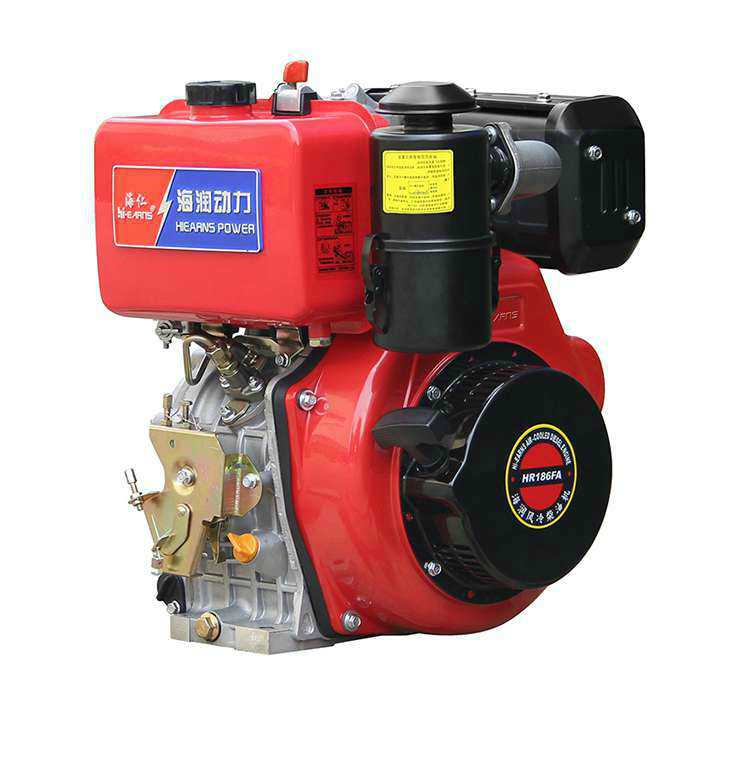
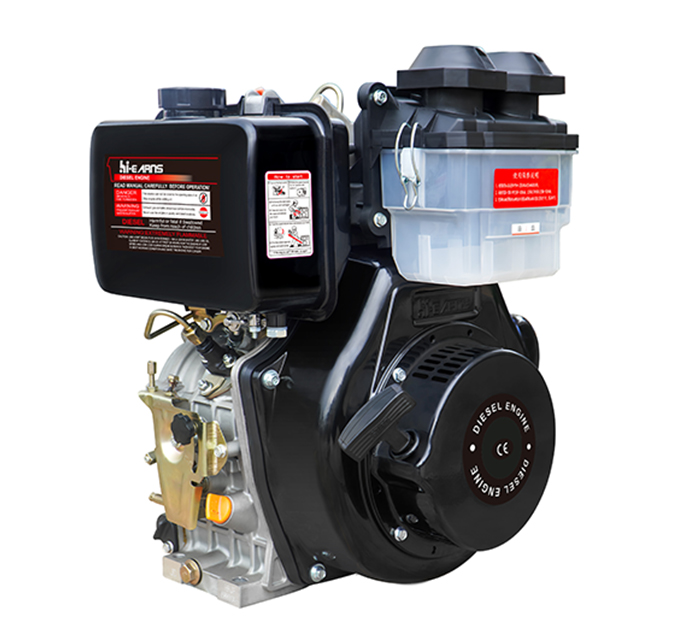
Air-cooled diesel models cover a range of power outputs for these tasks. Different starting options match different operator needs. These machines power generators, water pumps, mixers, irrigation equipment, and construction machinery. Shaft configurations connect directly to generators and pumps.
Application | Engine example | Practical note |
|---|---|---|
Water pumps, tillers, threshers, generators, rice mills | Air-cooled diesel engine | Common across farm jobs |
Continuous irrigation pumping | Air-cooled diesel engine | Long service life in continuous use |
Diesel generator sets | Diesel engine | Reliable backup for homes and workshops |
High-pressure water pumping | Diesel engine | Match pump size to required flow |
Diesel models like these reward owners who run equipment daily. Occasional users can stick with gas. But continuous irrigation, construction, and off-grid power create long operating hours. Diesel pays off precisely when the engine must work hard and last long.
Answer three questions before you buy. Your answers point toward the right engine.
Your yearly mileage sets the starting point. Gasoline usually costs less under 15,000 miles per year. Diesel becomes more economical above 30,000 miles. The middle range needs careful thought.
Key question | Why it matters |
|---|---|
Estimated yearly mileage | Shows whether diesel's fuel economy can offset its higher purchase price. |
Towing frequency | Diesel benefits frequent towing; light use favors gasoline. |
Expected ownership length | Longer ownership gives fuel savings time to offset upfront costs. |
Towing frequency matters as much. Compare your typical use case:
Frequent commercial or RV towing: diesel ideal
Occasional weekend towing: gasoline ideal
Heavy loads make a diesel engine the smarter choice. Regular heavy towing justifies the higher purchase and maintenance costs of that engine. Occasional light towing favors gas engines.
Ownership length completes the picture. A short lease never pays back the diesel premium. A ten-year ownership gives fuel savings time to grow.
Local support changes your total cost. Rural owners must consider the distance to a qualified shop. A long distance to a qualified shop changes the math. Towing may cost less than a mobile call plus a parts-run fee.
Local availability factor | Rural cost impact |
|---|---|
Distance to a qualified shop | Rural breakdowns add drive time; long distances may make towing worthwhile. |
Parts availability | Missing parts mean a second trip or a parts-run fee. |
Repair complexity | Simple repairs favor mobile mechanics; uncommon parts favor towing. |
Mobile mechanic capability | Filters, alternators, sensors, and hoses can be done on-site. |
Diesel trucks hold their value well. Buyers pay more for used diesel models because they expect long service life. Check your local resale market before committing. Remote or heavy-use environments make diesel the practical choice. Wide service knowledge and broad parts availability support that choice. More technicians have hands-on diesel experience.
Run your numbers with these factors. Then match the engine to your driving.
Diesel engines win for long-distance, heavy-load, and long-ownership buyers. Gas engines win for low-mileage, city-bound, and shorter-ownership buyers. You decide by looking at your annual miles, towing frequency, and years of ownership.
Run your own numbers before committing. Compare diesel fuel savings against the higher purchase cost and maintenance bills. Add resale value and local repair support to the equation. A diesel engine pays off best when you drive many miles and haul heavy loads often. Gasoline serves you better for short trips and stop-and-go traffic.
The best engine fits how you actually drive and work. Match the powertrain to your habits, not the trend.
You generally save fuel with diesel at high mileage. Under 15,000 miles yearly, gas costs less. Above 30,000 miles, a diesel engine becomes economical. Fleets reach break-even near 150,000 to 200,000 miles. Towing raises those savings further.
Annual diesel maintenance runs $1,200 to $2,000. A gas version costs $600 to $1,000 per year. Each diesel oil change costs $80 to $150. Gas oil changes run $50 to $80. These figures come from five-year comparisons of heavy-duty trucks.
No. Diesel needs sustained heat to run efficiently. Short trips prevent the engine from reaching optimal temperature. The DPF clogs when regeneration stops too often. You then need a highway drive to clear it. Gas handles city driving better.
Yes, especially with heavy trailers. Diesel builds strong pulling power at low RPM. It keeps fuel economy steady under load. Gas loses efficiency once you tow regularly. For occasional light trailers, gas remains acceptable. Frequent heavy hauling favors diesel.
Yes. Used diesel trucks bring 15% to 25% higher resale value. A five-year-old diesel may sell for $27,500 versus $18,800 for a gas equivalent. Buyers expect these engines to last much longer. You will see that demand at trade-in time.