




Hotline 0086-519-86239986

All News
A diesel generator typically lasts between 10,000 and 30,000 operating hours. That translates to roughly 20 to 25 years with proper maintenance. Well-maintained units can reach 20,000 to 40,000 hours. Industrial models often go further.
Industry surveys show some key figures:
A well-maintained unit can reach up to 40,000 operating hours before a major overhaul.
Medium to large industrial units average over 8,000 hours, with some reaching 30,000 to 50,000 hours.
You measure lifespan in two ways: calendar years and running hours. These two numbers often tell different stories. A generator that sits idle may age out before it wears out.
A diesel generator lasts 10,000 to 30,000 hours or 10 to 20 years with proper care.
Running at 30 to 50 percent load and changing oil yearly extends generator life.
Weekly exercise and clean fuel storage prevent breakdowns and add years of service.
Replace your generator when repair costs hit 50 percent of a new unit's price.
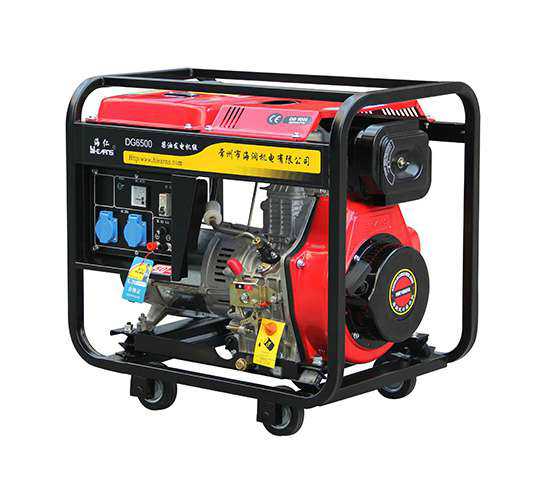
You will see two very different numbers when you research how long a diesel generator lasts. One number counts calendar years. The other counts running hours. Both matter, and they often tell separate stories.
Here are the core figures you should keep in mind:
Metric | Operating Hours |
|---|---|
Typical industrial diesel generator lifespan | 10,000–30,000 hours |
Well-maintained unit lifespan | 20,000–40,000 hours (approx. 20–25 years) |
Recommended major overhaul interval | 10,000–15,000 hours |
A well-maintained diesel generator can reach 20 to 25 years of service. Industrial units often push toward 40,000 hours before they need a major overhaul. Some smaller diesel units last only 5,000 to 10,000 hours. Home standby generators typically deliver 15 to 20 years of reliable backup power.
Residential backup diesel generators provide power for 24–48 hours or more during an outage. Standby diesel generators in the 50–200 kW range typically run for 24–72 hours between refueling. These short, intense runs add up slowly over the years.
The gap between 5,000 hours and 40,000 hours is huge. Several factors explain this spread.
Hours of use and load conditions matter most. A generator that runs at 50 percent load for short periods will outlast one that runs at full load continuously. Maintenance quality is the next big factor. A generator that receives regular oil changes, filter replacements, and coolant flushes will far outlast one that gets ignored.
Generators that are not maintained lose about 30 to 40 percent of their lifespan.
Fuel quality also plays a role. Diesel fuel breaks down over time. Stale fuel causes poor combustion, clogged injectors, and hard starting. You should treat or rotate your fuel supply regularly to avoid these problems.
Location and environment affect lifespan too. A generator stored in a damp, dusty, or salty environment will corrode faster than one kept in a clean, dry, well-ventilated space. Extreme temperatures stress components and shorten service life.
Usage patterns create another divide. A generator that sits idle for months may age out before it wears out. Rubber seals dry and crack. Fuel degrades. Batteries lose charge. A low-use diesel generator can fail from neglect long before it reaches its hour limit.
The table below shows how calendar lifespan compares across fuel types:
Generator Type | Operating Hours | Calendar Lifespan (with proper maintenance) |
|---|---|---|
Diesel | 10,000–30,000 hours | 20–25 years |
Natural Gas / Gasoline | ~10,000 hours | Not specified |
You can see that diesel units generally outlast gasoline and natural gas models in both hours and years. The difference comes from diesel's robust construction and fuel efficiency. A diesel generator built for heavy-duty cycles will reward you with decades of service when you treat it well.
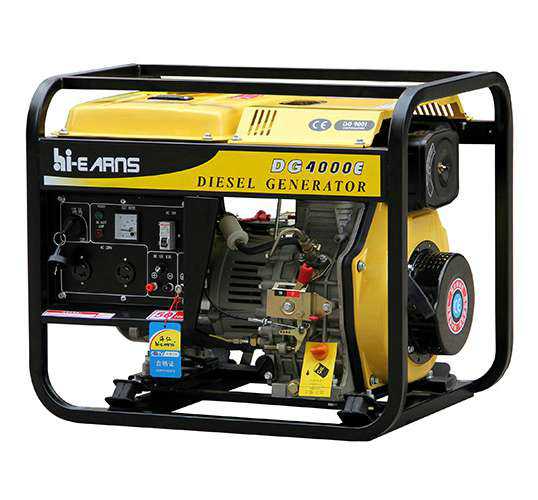
Three factors matter most: hours of use, load conditions, and maintenance quality. Each shifts how long your unit lasts.
How you run your generator matters as much as how many hours you run it. A generator operating at partial load for short periods lasts far longer than one running at full capacity for days.
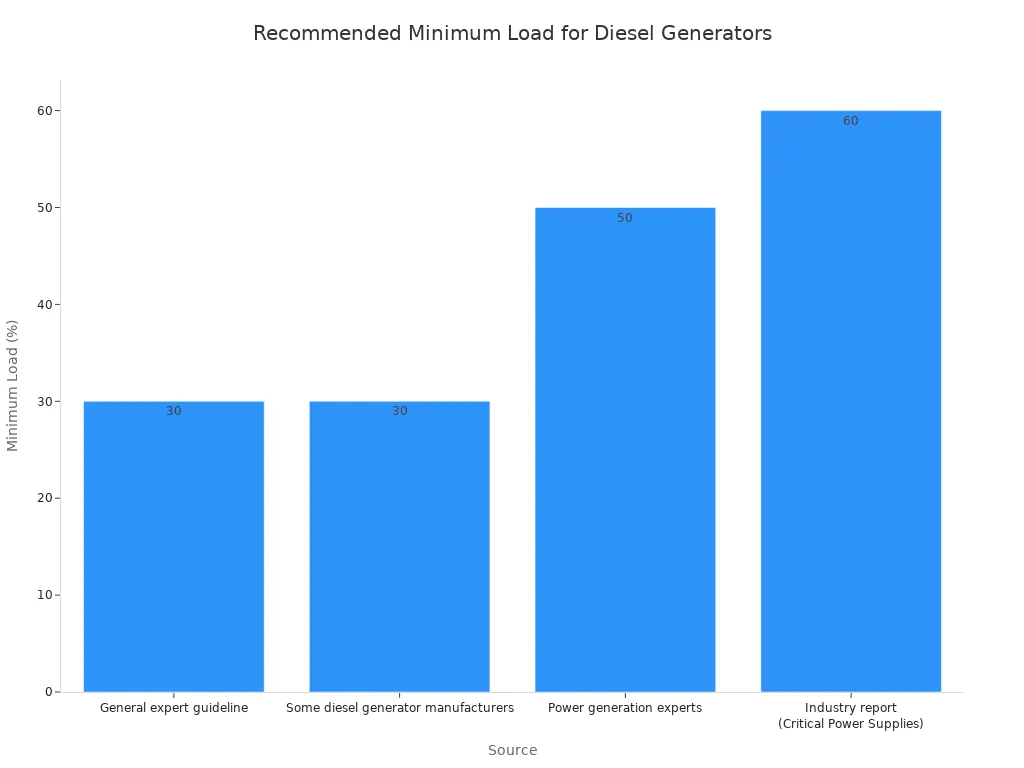
Minimum load is critical. Running below the recommended load causes wet stacking. Unburned fuel collects in the exhaust system, creating carbon buildup and engine damage. You should not run your generator below 30 to 50 percent of its rated capacity for extended periods.
Source | Minimum Load | Notes |
|---|---|---|
General expert guideline | 30%–50% | Incomplete combustion below this |
Some manufacturers | 30% for 30 minutes | Keeps engine healthy |
Power experts | 50% | Maintains proper temperature |
Industry report | 60%–75% | Best for longevity |
Monthly exercise protects your unit. Run it for at least 30 minutes each month under proper load. If you cannot, schedule annual testing at 50 and 75 percent of nameplate rating. This practice ensures proper combustion temperatures and prevents wet stacking.
Regular maintenance is essential. Change oil and filter at least once a year for standby units. For frequent-use units, follow the 250-hour or 6-month rule. Smaller portable generators need changes every 50 to 100 hours. Shorten intervals in dusty or hot conditions.
Fuel quality matters just as much. Diesel breaks down in 6 to 12 months. Contaminated fuel causes permanent injector damage. Water causes corrosion. Dirt scores precision surfaces. Once contaminated fuel circulates through injectors, the damage is often irreversible.
Contaminated fuel can cause permanent injector damage. Water causes internal corrosion and destroys the lubricating film that protects moving parts. Dirt and debris score precision surfaces and clog microscopic nozzle holes. Gasoline accidentally added to diesel can damage seals and internal components. Once contaminated fuel has circulated through injectors, the damage is often irreversible, requiring replacement rather than cleaning.
Contamination enters your fuel system through several paths:
Water enters via condensation, causing injector corrosion.
Microbial growth forms sludge at the water-fuel interface.
Dirt and rust particles scratch precision injector components.
Oxidation creates varnish that restricts fuel flow.
Result: clogged nozzles, poor atomization, and premature failure.
Your environment also plays a role. Altitude reduces air density. Naturally aspirated engines lose about 3.5 percent power per 1,000 feet above sea level. At 5,000 feet, your unit delivers only 87 to 90 percent of its sea level rating. Cooling efficiency drops in thin air. Engines run hotter, and components wear faster.
Take the Hi-earns DG11000SE as an example. This air-cooled diesel generator uses a 16 HP HR198FD engine with a 100 percent copper alternator. It delivers 7.5 KW rated and 8 KW maximum output. Its 30-liter tank provides up to 12 hours of runtime at 72 to 80 dB. The unit carries CE and ISO certification with patent CN304664365S. Hi-earns offers air-cooled models from 2 to 10 KW and water-cooled models from 8 to 500 KW for different applications.
Your environment, fuel quality, and maintenance habits all shift how long your generator will serve you. Treat each factor with care.
Scheduled oil changes form the foundation of diesel generator care. Replace the oil and filter at least once a year for a standby unit. Units that run more often need service every 250 hours or every six months. Dusty or hot conditions demand shorter intervals.
Coolant replacement follows a clear schedule. The first change happens after 500 operating hours. After that, replace it every 1,000 to 2,000 hours. For a standby generator, yearly replacement works well. Severe environments require more frequent changes.
A clogged air filter restricts airflow to the engine. This causes power loss and higher fuel consumption. The heavy-duty engine air filter maintains peak horsepower and stable fuel efficiency. Replacing your air filter on time prevents piston wear, fuel system failure, engine overheating, and expensive repairs.
Fuel stabilization protects your investment. Untreated diesel fuel lasts only 6 to 12 months before oxidation starts. Fuel treated with a stabilizer can remain usable for up to two years. Stabilizers slow oxidation, manage water contamination, and prevent microbial growth. Add the stabilizer to fresh fuel before storage begins.
The weekly exercise cycle matters more than you might think. Run your standby generator for 12 to 20 minutes once a week under load. This circulates oil, charges the battery, and keeps seals from drying. It burns off moisture and proves the machine still works. Running under load brings the engine to proper operating temperature and prevents wet stacking.
For long-term storage, keep the fuel tank full to minimize condensation. Install water separators to block moisture. Add biocides and fuel stabilizers before storage. Test stored fuel every 6 to 12 months to verify it still meets standards.
The Hi-earns DG11000SE offers a digital panel with advanced warning and protection features. Use this panel to catch issues early. Proper ventilation during operation prevents overheating. Store the unit in a clean, dry location when not in use.
A standby generator's entire value proposition is starting unattended after months of sitting idle. The weekly exercise cycle makes this possible.
Your generator sends clear signals when it approaches the end of its useful life. Hard starting tops the list. If the engine cranks slowly or needs multiple attempts to fire, battery degradation or compression loss could be the cause. Excessive smoke reveals combustion problems. Blue smoke means oil is burning inside the cylinders. Black smoke points to incomplete combustion from clogged injectors or a dirty air filter. White smoke often signals unburned fuel from low cylinder temperatures.
Unusual noise is another red flag. Knocking sounds suggest bearing wear. A rhythmic tapping could mean valve train issues. Declining output is harder to miss. Your generator may still start and run, but it cannot deliver its rated power. Lights dim when large appliances kick on. Tools run slower than under a healthy unit. Frequent breakdowns signal systemic wear. If you fix the same problem repeatedly, the machine has reached its limit. Rising fuel consumption also points to trouble. An engine that burns more fuel per kilowatt hour has lost efficiency from worn rings, injectors, or pumps. These symptoms rarely appear alone. You will likely see two or three together.
Deciding between repair and replacement depends on cost. Industry practice sets a clear threshold. When your cumulative repair costs exceed 50 percent of the price of a new replacement unit, buying a new diesel generator makes better financial sense. This rule stops you from sinking money into a machine that will need another expensive fix soon after.
A proper assessment requires complete service records. Industry experts evaluate age, total run hours, and documented maintenance logs together to estimate remaining useful life. Industrial diesel engines typically need a major overhaul at 10,000 to 15,000 operating hours. That benchmark helps you predict when major work will come due. NFPA 110 requires you to maintain detailed operation logs for at least three years. These records track test runs, emergency operation, and every maintenance activity. If you are buying a used unit, ask for these logs. Without them, you cannot make an informed decision. Trending analysis of monthly parameters like oil pressure and coolant temperature reveals gradual degradation long before a failure occurs. A generator with solid records and low hours may have plenty of life left. One with spotty documentation is a gamble you should avoid.
A diesel generator can last 20 to 25 years or more with proper care. Hours of use, maintenance quality, fuel condition, location, and usage patterns all shift that number. Routine maintenance and smart operating habits give you the biggest control over lifespan. Change oil on schedule. Test your unit under load monthly. Stabilize your fuel. Store the generator in a clean, dry space. Before buying a used generator, always request complete service records. A maintenance log reveals how well the previous owner cared for the machine. Contact a qualified generator professional for an inspection or lifespan assessment. They can evaluate your unit and help you plan for its future.
Most units need a major overhaul between 10,000 and 15,000 operating hours. Industrial engines often reach 15,000 to 20,000 hours first. After the overhaul, you can expect thousands of additional service hours.
Yes. A unit that sits idle for months can age out before it wears out. Rubber seals dry and crack. Fuel degrades in 6 to 12 months. Batteries lose charge. Run your unit weekly under load to prevent these problems.
When cumulative repair costs exceed 50 percent of a new unit's price, replacement makes better financial sense. This threshold stops you from sinking money into a machine that will need another expensive fix soon after.
Not on its own. Hour meters can fail or be replaced. Ask for complete service records instead. NFPA 110 requires detailed operation logs for at least three years. Maintenance history predicts remaining life better than any gauge.
Run it for 12 to 20 minutes once a week under load. This circulates oil, charges the battery, and burns off moisture. Monthly testing at 50 and 75 percent of nameplate rating also prevents wet stacking.