



Hotline 0086-519-86239986

All News
A water cooled diesel generator delivers reliable industrial backup power through efficient heat dissipation, consistent temperature control, and robust design. These features prevent overheating during extended operation. You cannot afford generator failure when an outage strikes your facility. Your operations depend on immediate, dependable power. The cooling system's reliability becomes a critical factor in this equation. What specific features and mechanisms make water cooling the trusted choice for critical backup power? Understanding these elements helps you select equipment that performs when it matters most.
Water cooling removes heat 25 times better than air, preventing overheating during long outages.
Stable engine temperatures boost uptime by 9% and extend equipment life by 20-30%.
Key components like the radiator, pump, and thermostat work together to control temperature.
Monthly checks of coolant, hoses, and fins prevent small issues from becoming costly failures.
Water-cooled generators last 60,000-90,000 hours, far longer than air-cooled alternatives.
A water cooled diesel generator circulates liquid coolant directly through passages inside the engine block. This internal jacket surrounds the cylinders and absorbs heat at the source. The coolant then carries that heat away to the radiator. This active heat rejection method keeps the engine at its optimal operating temperature. Passive cooling methods cannot match this level of control.
Industrial backup power demands continuous operation under heavy loads. Your facility may run on generator power for hours or even days during an outage. Overheating under these conditions leads to derating, sudden shutdowns, and permanent equipment damage. Superior heat management is not optional. It is the foundation of reliable backup power.
When an engine overheats, your operation faces immediate consequences. The generator may derate its output to protect internal components. This means you get less power when you need it most. A full shutdown follows if temperatures continue to climb. Emergency repair costs run three to five times higher than planned maintenance. You also face lost production, safety risks, and damaged reputation with your customers.
Temperature condition monitoring data reveals early signs of overheating, a critical indicator of asset stress or impending failure. Integrating condition monitoring solutions delivers an average reduction of over 30% in total costs associated with downtime.
Stable engine temperatures directly correlate with system uptime. Facilities that monitor temperature conditions see production uptime rise from 87% to 96% — a gain of 9 percentage points. Early problem detection gives you an 18-day window before failure occurs. You can schedule maintenance instead of reacting to emergencies. Unplanned disruptions drop by 80% to 90% when temperature stays under control.
Temperature stability also extends equipment life by 20% to 30%. Emergency repair calls fall by 78% in the first year. Maintenance overtime drops by 45%. The return on investment for temperature monitoring reaches 8:1 in the first year. These numbers show that heat management pays for itself.
Air-cooled generators rely on fans and fins to move heat away from the engine. This passive method works fine for small loads. It struggles when you demand serious power for hours. A water cooled diesel generator takes a different path. Liquid coolant flows through the engine block and carries heat to a radiator. This active circulation removes far more heat than air alone. You get a system built for heavy industrial duty.
Liquid coolant absorbs heat far better than air by volume. That physical advantage changes everything for your operation. A water-cooled system moves thermal energy away from cylinders, pistons, and valves at a rate air cooling cannot match. You can run higher power demands without watching temperatures climb into dangerous territory. The engine stays within its design limits even under sustained load.
This superior heat removal translates directly into service life. Consider the typical lifespan ranges manufacturers report:
Generator Type | Lifespan Range (hours) |
|---|---|
Water-cooled | 60,000 – 90,000 |
Air-cooled | 1,000 – 3,000 |
The gap is enormous. A water-cooled unit can outlast an air-cooled alternative by tens of thousands of operating hours. For a facility that runs backup power regularly, that difference decides whether you replace equipment once a decade or every few years. You invest once and reap the benefit for a long time.
Industrial loads rarely stay constant. Motors start and stop. HVAC systems cycle. Production equipment surges. An air-cooled generator fights to shed heat during these spikes. Its cooling capacity hits a ceiling fast. A water-cooled system responds with far more headroom. The coolant loop absorbs sudden heat bursts and the thermostat adjusts flow to match demand. Output stays steady when your load changes.
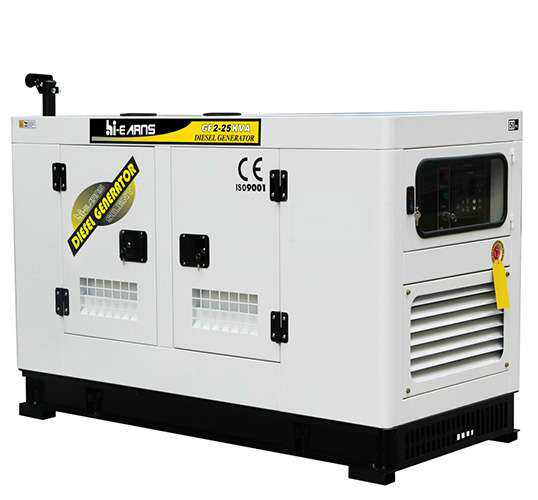
This stability supports low noise operation as well. Silent canopy models house the radiator and fan behind sound-attenuating panels. The liquid cooling design lets engineers run the fan at lower speeds. You get quieter performance for hospitals, schools, supermarkets, and urban sites. Open-frame models serve industrial floors and base stations where access for service matters more than sound control.
Water cooling also protects your investment during continuous duty. The engine avoids thermal stress that shortens component life. You face fewer breakdowns and lower maintenance costs over the years. For commercial and backup power needs, this combination of durability and quiet operation makes water cooling the clear winner. Air cooling simply cannot compete when reliability matters most.
Four parts form the heart of every water cooled diesel generator cooling loop. The radiator, water pump, thermostat, and engine jacket work as one team. Each part handles a specific job. Together they hold engine temperature in the safe zone.
The radiator sits at the front of the cooling loop. Hot coolant flows in from the engine. Thin fins and tubes expose that coolant to outside air. A fan pulls air across the fins and carries heat away. The cooled liquid then returns to the engine.
The water pump drives this entire cycle. It pushes coolant through the block, the head, and the radiator at a steady rate. Pump failure ranks among the most common causes of generator breakdown. Wear on impellers, seals, and bearings reduces flow over time. Contaminated coolant speeds up that damage. Rust, hard-water minerals, and acidic old coolant attack seals and clog passages. Cavitation erodes impeller vanes when pressure drops too low. Any of these problems cuts cooling capacity and invites overheating.
Radiator fins need regular cleaning in dirty settings. Dust and debris block airflow and trap heat.
Operating Condition | Cleaning Interval |
|---|---|
Normal conditions | Every 250–500 operating hours |
Dusty, grassy, or debris-heavy conditions | Every 100–150 operating hours |
The engine jacket is a network of passages cast into the block and cylinder head. Coolant flows through these passages and absorbs heat right at the source. This direct contact keeps cylinder walls, pistons, and valves within safe limits.
The thermostat controls coolant flow between the engine and the radiator. It stays closed during warm-up. This lets the engine reach operating temperature fast. Most water-cooled diesel engines open the thermostat at 82°C. Quick warm-up reduces engine wear and improves fuel efficiency. Once the engine reaches temperature, the thermostat opens and sends hot coolant to the radiator.
Thermostats regulate coolant flow... Small leaks or sticking thermostats often precede major overheating events.
A stuck thermostat is a silent threat. It can block flow and cause a sudden temperature spike. Choose high-quality thermostats with a wide operating range for demanding conditions. Some manufacturers drill extra bleed holes around the flange perimeter to prevent air bubbles under the valve.
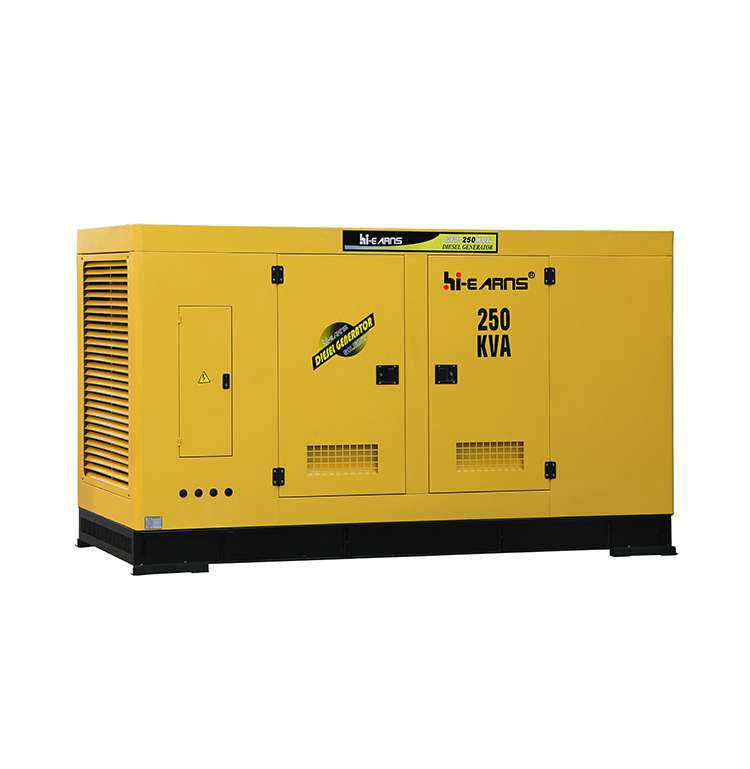
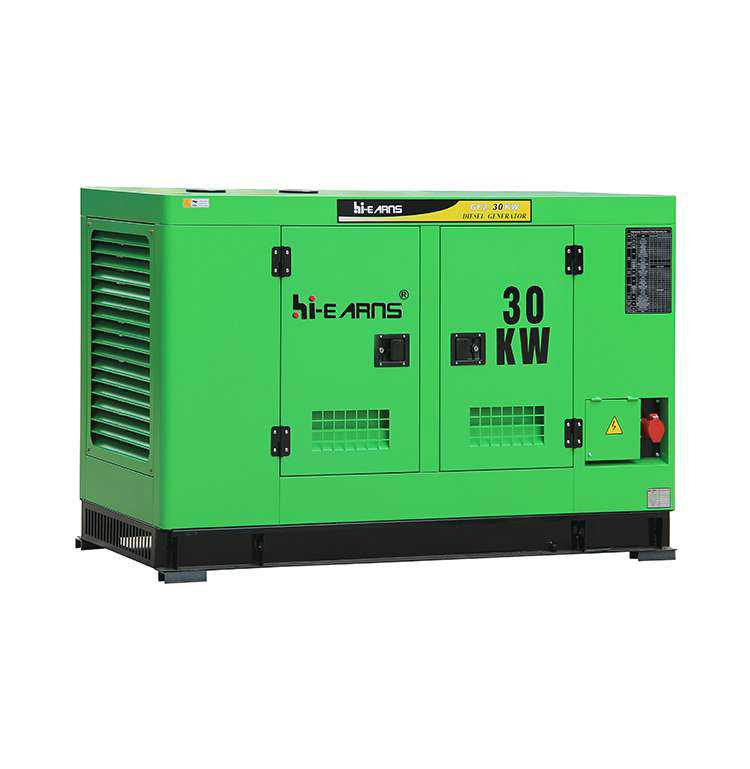
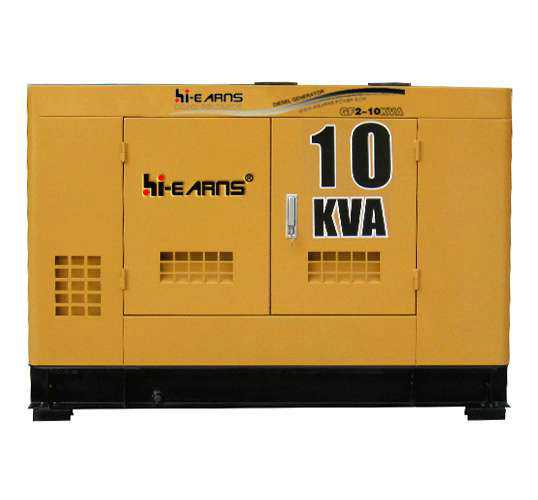
Active heat rejection through these four components prevents thermal stress on engine parts. Less stress means longer engine life and fewer breakdowns. Hiearns water-cooled diesel generators, made by Changzhou Hi-earns Mechanical & Electrical Co., Ltd. since 2005, show how this works in practice. The lineup spans 10KW to 300KW and pairs Quanchai engines with brushless alternators. Buyers can choose silent canopy or open-frame models. The company holds ISO9001-2015 and CE certification.
A water cooled diesel generator can run for hours or days without derating. This makes it ideal for continuous industrial backup power. But reliability does not happen by accident. You must perform regular checks on the cooling system. Routine maintenance prevents small issues from becoming costly repairs. Hiearns supports you with strict spare parts IQC systems and technical guidance at every step. This ensures you receive qualified components and responsive service. Your generator stays dependable year after year.
When you operate a water cooled diesel generator, monthly inspections catch small problems before they become failures. Use this checklist each month.
Check | Method |
|---|---|
Coolant condition | Inspect for contamination; use only OEM coolant; avoid mixing types; verify freeze point with refractometer |
Hoses and belts | Look for cracking, glazing, swelling, soft spots, and weeping at clamps |
Block heater | Confirm it operates |
Radiator fins | Clear dust and debris from screens and fins |
System pressure | Pressure-test; inspect for weeping at pump, hoses, and head gasket |
Check the water pump weep hole for coolant leakage. A small drip signals seal wear. Catch it early and replace the seal before the pump fails. These checks take less than an hour. They protect your investment and prevent emergency downtime.
Corrosion often starts with poor coolant maintenance. Substituting tap water for distilled water causes most problems. Hard water leaves mineral deposits on impeller vanes. This reduces water pump flow. Acidic coolant attacks aluminum components like the impeller and pump housing. Coolant performs two critical roles. It regulates temperature and inhibits corrosion. Once coolant degrades or becomes contaminated, it loses both protective properties.
Follow best practices to prevent wear. Flush the cooling system with distilled or deionized water. Refill with fresh, correctly mixed coolant made with distilled water. Never top up with tap water. If you must add coolant temporarily, use distilled water. Restore proper coolant as soon as possible.
A well-maintained cooling system keeps your generator running at peak performance. You avoid thermal stress. You extend component life. You rely on your backup power when you need it most.
A water cooled diesel generator earns its place in industrial backup power through three strengths. First, liquid circulation removes heat far better than air alone. Second, the thermostat and radiator hold engine temperature steady under heavy loads. Third, durable components like the water pump and engine jacket resist thermal stress for thousands of hours. You extend this reliability with simple habits. Check coolant levels, inspect hoses, and keep radiator fins clean. These steps prevent small issues from becoming failures. When your facility needs dependable emergency power, you can trust a water-cooled diesel generator to deliver.
You can expect 60,000 to 90,000 operating hours from a water-cooled unit. Air-cooled alternatives typically last only 1,000 to 3,000 hours. This longer lifespan comes from stable engine temperatures and reduced thermal stress on components.
Check coolant levels, hoses, belts, and radiator fins every month. Use only OEM coolant mixed with distilled water. Never top up with tap water. Clean radiator fins every 250 to 500 hours in normal conditions. These habits prevent corrosion and keep your generator running.
Yes. A water cooled diesel generator handles continuous operation under heavy loads without derating. The liquid cooling system removes heat efficiently and holds engine temperature steady. This makes it suitable for extended industrial backup power when your facility needs reliable electricity for hours or days.
Hiearns pairs Quanchai engines with brushless alternators in their water-cooled lineup. The company offers models from 10KW to 300KW. You can choose silent canopy or open-frame configurations. All units meet ISO9001-2015 and CE certification standards.
Liquid cooling removes heat more efficiently than air alone. This lets engineers run the cooling fan at lower speeds. Silent canopy models add sound-attenuating panels around the radiator. You get quieter operation for hospitals, schools, and urban areas where noise matters.