


Hotline 0086-519-86239986

All News
Manufacturing, healthcare, data centers, construction, mining, oil and gas, agriculture, and telecommunications all depend on dependable electricity. These sectors often select a water cooled diesel generator for three practical reasons: durability under hard use, the ability to run continuously, and effective heat management during long duty cycles.
Each sector places different demands on power equipment. Site conditions, load profiles, and local rules shape the right choice. This post examines typical applications, technical fit, regulatory compliance, and cost factors across these industries. Readers gain a clear view of where water-cooled systems serve best and why the cooling method matters in daily operation.
Water cooled diesel generators handle heavy use and long run times better than air cooled models.
Match the generator's cooling method to your duty cycle: water cooling for continuous heavy loads, air cooling for lighter intermittent use.
Check emissions rules and safety standards like EPA Tier 4 or NFPA 110 before you buy a generator.
Consider total cost of ownership, including fuel, maintenance, and downtime, not just the purchase price.
Choose silent-type models for noise-sensitive places like hospitals and schools.
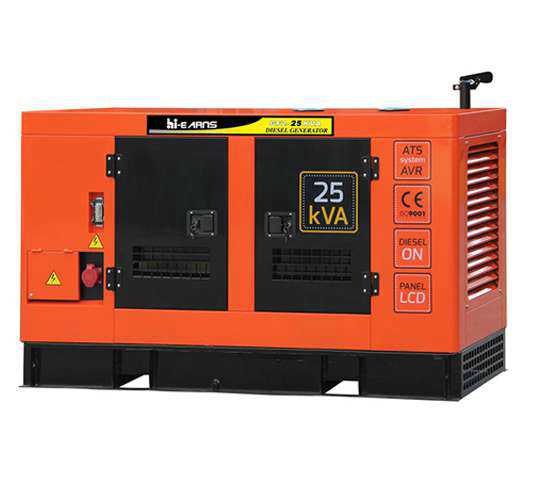
Factories run heavy machinery on tight schedules. A water cooled diesel generator powers press lines, conveyor systems, and plant-wide operations when the grid cannot carry the load. Large-scale manufacturing sites often treat the generator as a working asset, not a last resort. The unit supports production shifts, plant expansion, and peak demand periods. Steel mills, automotive plants, and chemical works all share this pattern. A plant that loses grid power mid-shift faces spoiled batches and idle workers.
Continuous-duty and prime power roles place steady heat loads on an engine. A water-cooled unit manages that heat with a radiator and a coolant loop. The engine block and cylinder head carry coolant through internal passages. The radiator then releases the heat to the air, and a pump keeps the fluid moving. This closed loop holds engine temperature within a stable band during long runs. The coolant also serves the oil cooler on many engine designs. Air-cooled designs rely on fins and fans instead. They handle sustained heavy loads and high ambient heat less effectively. Manufacturing plants that run generators for extended hours therefore favor the liquid-cooled approach. The same logic applies to heavy industry sites with dust, vibration, and constant electrical demand. A prime power rating suits a unit that serves as the main source for variable loads. A continuous rating covers a steady load at a constant level. Both roles reward stable thermal control.
Emissions rules shape generator selection in many manufacturing regions. In the United States, EPA Tier 4 rules govern many nonroad diesel engines. In Europe, EU Stage V rules apply to similar equipment. Local authorities also set limits on nitrogen oxides, particulate matter, and other exhaust components. Buyers should confirm that a candidate unit meets the rules for their jurisdiction before purchase. Purchase price is only the first number in the cost picture. Total cost of ownership includes fuel use, maintenance, downtime, and lifespan. Fuel consumption at typical loads matters more than the peak figure on a spec sheet. Air-cooled generators have fewer moving parts and no coolant circuit to fail. That design can mean lower total cost of ownership and faster field servicing in some settings. Liquid cooling handles sustained heavy loads and high ambient heat better. Neither option wins everywhere, and the duty cycle decides the fit.
Buyers can compare quotes with a few direct questions:
What does the unit cost per operating hour at my typical load?
Which maintenance tasks can my own team perform?
How long does a typical repair take, and which parts fail most often?
Support decides how quickly a unit returns to service. Ask for warranty terms in writing, confirm the coverage period, and check what voids the warranty. Ask where spare parts ship from and how long delivery takes. A supplier with regional stock shortens downtime. Finally, ask who answers service calls and how fast, and request a stated response time for urgent failures. Remote troubleshooting can resolve minor faults without a site visit. A written service agreement clarifies who pays for travel and parts.
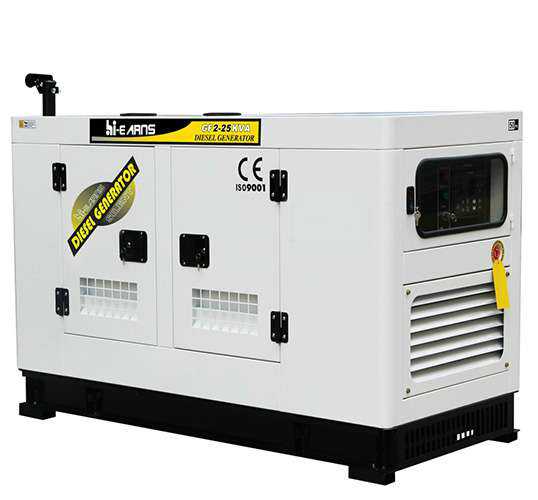
Hospitals, clinics, and data centers share one hard rule: power cannot stop. A water cooled diesel generator serves as the standby or emergency source when the utility feed fails. In a hospital, that failure threatens ventilators, operating room lights, and blood bank refrigeration. In a data center, it threatens servers, cooling systems, and every transaction in flight. Both facilities treat the generator as a life-safety asset, not a convenience.
Emergency backup applications demand fast starts and stable output. Hospitals classify their emergency power supply systems by risk. Level 1 systems cover loads where failure could cause loss of life or serious injury, such as intensive care units and operating rooms. These systems carry a 10-second transfer mandate. Level 2 systems cover less critical loads, such as general ward lighting and administrative circuits. Clinics, nursing homes, dialysis centers, and ambulatory surgery centers also fall under Level 1, Type 10 requirements.
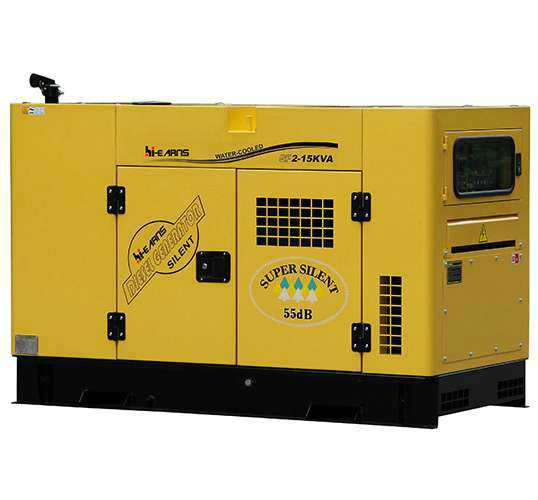
Noise matters in these settings. A silent-type water cooled diesel generator encloses the engine and cooling system in a sound-attenuated canopy. Hospitals, schools, and urban clinics often choose this configuration to protect patients and neighbors from engine noise. Data centers face a different pressure. Their loads run continuously and tolerate almost no interruption. Standby generators there must carry the full IT load plus cooling, and they must do so within seconds of a grid event.
NFPA 110, the Standard for Emergency and Standby Power Systems from the National Fire Protection Association, governs installation, testing, and maintenance in U.S. healthcare facilities. The Joint Commission, CMS Conditions of Participation, and state health departments all reference it. Compliance is not optional. The standard sets a testing rhythm that shapes lifecycle cost:
Weekly: visual inspection of fuel, coolant, batteries, and control panel, with a dated log entry.
Monthly: operational exercise under load for at least 30 minutes, with voltage, frequency, and oil pressure recorded.
Annual: full load bank test at a minimum of 30 percent rated kW for two or more hours.
Every three years: a four-hour test at 100 percent of system design load.
Fuel rules add cost. Facilities must store enough fuel for 96 hours of full-load operation, with a day tank holding at least four hours. Fuel level alarms trigger at 67 percent capacity. Fuel stored beyond 12 months without treatment requires polishing. These obligations raise the total cost of ownership well above the purchase price. Buyers should budget for testing labor, load bank rentals, fuel analysis, and record-keeping from day one. A generator that meets NFPA 110 and passes Joint Commission review protects accreditation and patient safety at the same time.
Construction sites, mines, and oil and gas fields often sit far from any grid connection. A water cooled diesel generator carries the load for drilling rigs, pumps, and site offices. Mining and oilfield crews also run water pumping, drainage, and water management systems on generator power. These tasks demand steady output through long shifts.
Field conditions punish equipment. Drilling rigs vibrate constantly, well sites carry abrasive dust, and offshore platforms expose metal to corrosive salt air. Desert sites swing from scorching days to freezing nights. Weather-resistant enclosures with sound-attenuated canopies and containerized builds protect against rain, dust, sand, and salt air. IP-rated construction with stainless steel hardware resists corrosion. Cold weather packages with block heaters and battery warmers support sub-zero startup. High-altitude packages adjust fuel injection and turbocharger settings to restore rated output at elevation.
Application / Feature | Description |
|---|---|
Drilling operations | High-torque gensets rated for prime power with paralleling capability |
Hydraulic fracturing | Mobile trailer-mounted units that deploy quickly to well sites |
Remote monitoring | Optional telematics track performance, fuel levels, and maintenance alerts via cellular or satellite links |
Noise control | Enclosures hold noise levels as low as 75 dB at 1 meter |
Remote sites still face emissions rules. In the United States, the EPA sets Tier standards for nonroad diesel engines. Tier 4 Final units cut emissions by up to 90% compared with earlier tiers. California adds stricter CARB rules, and some zones there require zero-emission generators for new construction. Canada mirrors the EPA tiers through Environment and Climate Change Canada, though provinces such as British Columbia and Ontario may enforce tighter local limits.
Total cost of ownership drives the final decision. Fuel economy matters most at remote sites, where every delivery adds cost. Advanced fuel injection can improve fuel efficiency by up to 15%. Durability matters too, because a breakdown far from a service depot stalls the whole operation. Buyers should weigh purchase price against fuel burn, service access, and parts lead time. Air-cooled units suit smaller, intermittent loads. Water-cooled units fit sustained heavy duty in harsh conditions.
Farms use generators for irrigation pumping, grain handling, and off-grid power. Water-cooled engines also serve transportation equipment on many farms. A water cooled diesel generator can carry a pump set through a full irrigation cycle without overheating. Remote fields often sit hours from the nearest service center. That distance shapes the choice of cooling method.
Air-cooled engines power small tractors, water pumps, and grain processing equipment on small remote farms. This design removes the need for frequent coolant top-ups. Crews on remote sites also spend less time on routine cooling system checks, with no coolant leaks, radiator clogging, or water pump failure to chase. For light to medium duty, air-cooled engines can cut total cost of ownership over a five-year service life. Liquid-cooled models may deliver more consistent long-term performance in heavy-duty continuous operation.
Telecommunications base stations need standby power for microwave links, switching gear, and cell equipment. Many sites run unattended, so reliability and remote monitoring matter. Noise rules apply near homes and schools. Emissions rules follow local air quality law, and buyers should confirm the tier or stage that applies to their region.
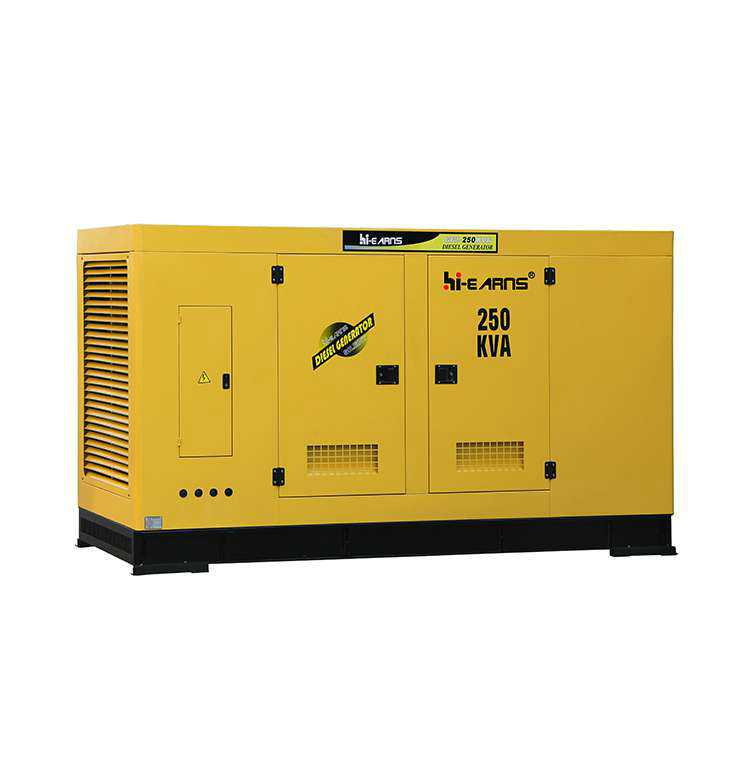
Cost comparisons depend on duty cycle. Air-cooled units cost less upfront than comparable liquid-cooled models. They also carry a higher reliability rate in dusty construction and agricultural settings, where radiator clogging poses a risk for liquid-cooled units. Liquid-cooled engines weigh more per unit of output than air-cooled designs. Cold climates favor air cooling, which carries no freeze risk without pre-heat. As background, Hi-earns builds water-cooled diesel generators from 10KVA to 300KW in open frame and silent types, with ISO9001-2015 and CE certification.
Manufacturing, healthcare, data centers, construction, mining, oil and gas, agriculture, and telecommunications each place distinct demands on standby and prime power equipment. Across all eight sectors, the same three reasons recur: durability under hard use, the ability to run continuously, and effective heat management during long duty cycles.
Technical performance, application fit, regulatory compliance, and cost all point back to sector needs. A water cooled diesel generator suits sustained heavy loads and high ambient heat. Site conditions and duty cycle ultimately decide the right configuration, and no single option fits every project.
A coolant pump moves fluid through passages in the engine block and cylinder head. The radiator then releases that heat to the surrounding air. This closed loop holds engine temperature within a stable band during long runs, which supports continuous-duty and prime power roles.
Silent-type models enclose the engine and cooling system in a sound-attenuated canopy. Hospitals, schools, and urban clinics often select this configuration to protect patients and neighbors from engine noise. Open-frame units suit sites where noise is not a constraint and service access matters more.
NFPA 110 sets a testing rhythm for healthcare facilities. Crews perform a weekly visual inspection, a monthly exercise under load for at least 30 minutes, and an annual load bank test. A full-load test follows every three years. Dated log entries document each step.
Hi-earns holds ISO9001-2015 quality management certification and CE approval from the European Union. Buyers should also confirm that the engine meets the emissions rules for their region, such as EPA Tier 4 in the United States or EU Stage V in Europe.
No. Duty cycle and site conditions decide the fit. Water-cooled units suit sustained heavy loads and high ambient heat. Air-cooled designs handle smaller, intermittent loads with fewer moving parts. Buyers should match the rating to the actual load profile rather than the peak figure on a spec sheet.